
A.O.O.F.C
recommends
Mizar6

babydancing


Get this crazy baby off my head!

18.10.09

Lloyd Jones


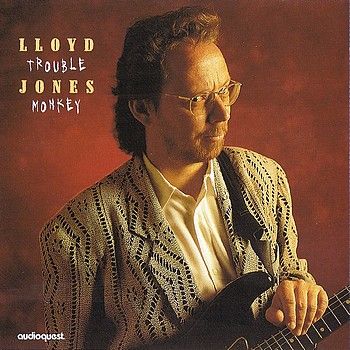
Lloyd Jones - Trouble Monkey - 1995 - Audioquest Records

This monkey means trouble! Bluesman Lloyd Jones and his excellent 9-piece band record a set of (mostly) Jones originals live to analog two-track in the studio. The result is super crisp, funky rhythm-and-blues with a horn section so tight it hurts. Terry Evans and Ray Williams finish it all off with superb backing vocals. If I were Delbert McClinton, I'd give Jones a call and tell him to back off if he knows what's good for him. © Jason Staczek, © 1996 Peppercorn Press. All rights reserved

Lively and danceable R&B, in the vein of James Brown. Jones' and his musicians, especially the horn section, would be ideal as a house band for a late-night talk show host. Exceptions are "Long, Long Way to Go," a solo acoustic giving a back porch feeling, and a slow sobber, "I Broke My Baby's Heart." The ending tune, Sleepy John Estes' "Drop Down Mama," is a treat with Jones on guitar accompanied by drummer Reinhardt Melz. © Char Ham, allmusic.com

In the early 70's, Seattle born Lloyd Jones was the leader of Portland's great Brown Sugar blues band, for about six years. The band toured with greats like Charlie Musselwhite, George "Harmonica" Smith, the Johnny Otis Show, Big Mama Thornton and Big Walter Horton. Lloyd learnt to hone his guitar skills from some of these artists, and later on performed with Albert Collins, Robert Gray, Bonnie Raitt, Taj Mahal, B.B. King, Dr. John, John Hammond, Etta James, Junior Wells and Buddy Guy. In the 80's Jones played with Curtis Salgado, the ex-Robert Cray singer/harp player in a band called In Yo' Face. Curtis encouraged Lloyd's guitar playing, and by 1985, Lloyd was confident enough to display his guitar skills in a wider capacity. He was already a competent drummer, and acoustic guitarist, familiar with the folk songs of players like Charlie Musselwhite, but he had yet to become the great lead guitarist he is today. Lloyd released a few albums in the late eighties, and early nineties, some to critical acclaim. However, "Trouble Monkey" released in 1995, was Lloyd's most admired album to date. Blues Revue named it, "not only one of the best albums of 1995, it is one of the best albums of the 1990's,". Robert Cray called it "the best damn record I've heard in a long time!" Vintage Guitar Magazine said, "Jones offers vocals that would make Sam and Dave smile and guitar work Steve Cropper would be proud of" and referred to his affecting vocals as "gritty as a dirt road and smooth as melting butter." Lloyd Jones is a great songwriter, and the album is full of jazzy, funky, "New Orleans" style "swamp" blues, and R&B, all played with great skill and panache by Lloyd and his brilliant back up band. Lloyd Jones' guitar work is terrific, and the man also can sing with real Soul. The horn section, in particular adds real "punch" to this album. "Trouble Monkey" is a great album. Not quite "big band" music, and definitely not orthodox or traditonal "blues" music, but well worth your while listening to it. It's a very enjoyable album to get you movin' ! Buy Lloyd Jones' outstanding "Struggle" album for more of the same

TRACKS

Can't Get You Off of My Mind
Broke My Baby's Heart
Trouble Monkey
Old Friends - Larry Pindar
I'll Be Laughing (When He Makes You Cry)
Bust up a Love, (Just About to)
Don't Call Me Today
No More Crying
Long, Long Way to Go
Rosemary - Fats Domino
When I Get Back Home
Drop Down Mama - Sleepy John Estes

All songs written by Lloyd Jones except where stated

MUSICIANS

Lloyd Jones (vocals, guitar)
Victor Little (bass)
Glenn Holstrom (keyboards)
Reinhardt Melz (drums)
Bobby Torres (percussion)
Warren Rand (alto saxophone)
Bob "Housewine" Roden (tenor saxophone)
Rudy Draco (tenor & baritone saxophones)
Steve Cannon (trumpet)


BIO

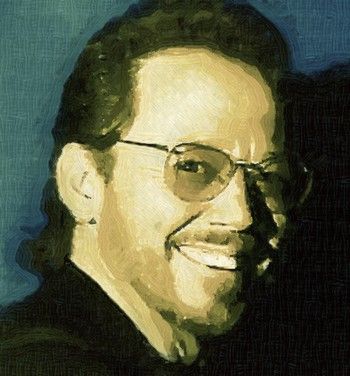
For more than 30 years now, Lloyd Jones has consistently been among the top names on the Portland music scene. Raised in a musical family, it was almost as if the life he leads was destined to be. This is an artist who has taken what was placed before him in life and made the most of it, much to the delight of long-time fans locally and to those who are beginning to awaken to his musical talents globally. Lloyd grew up in Portland in a household surrounded by music. It was just something he believed every child experienced. You played baseball and you played music. It wasn't until he was older that he discovered this was not the case. His older brothers were working musicians and often they would take Lloyd with them to their gigs. By the time he was six, they had already begun teaching him how to play the drums, and at the age of 12, they were also giving him the chance to sit in on some of their shows. But besides taking him along to their own performances, they also took him to see the national artists who came through Portland, too. This was something that played a major role in the development of Lloyd's own personal sound in the years to come. By 1968, he had already witnessed shows by renowned bluesmen such as Buddy Guy at the Crystal Ballroom and Muddy Waters at Lewis & Clark College. Yet it was the appearance of Soul master James Brown in 1964 at the Portland Armory that left the greatest impression in his young mind. James Brown in 1964 was at the peak of his powers. In the eyes of a 14 year-old, he was accomplishing inhuman feats onstage, such as standing on one leg and sliding across the floor. And, he was also overwhelmed by the fact that Brown had two drummers and played the instrument himself during the show. Plus the dimensions of a new musical sound the band was playing: Funk. Another aspect of this James Brown appearance which caught his eye was the family atmosphere that encompassed it. Along with his brother and the person who purchased the tickets for them, they were the only three white members in the audience. Lloyd was not aware of racism at the time and when he went to the show he looked around and noticed that the police were black, the promoter, the audience, and found himself thinking, "Now where are all these people every day that they're not in my life?" He was seeing how whole families were turning out for a show, dancing and just letting their emotions flow. It was fun and it hit him that it was okay to turn yourself loose like that. As a teenager, Lloyd also took an interest in the guitar. Folk Blues was another focus on his upbringing and he found that he was able to play the songs he liked without the need to have a large band. A local acoustic guitarist taught him the basics of guitar, along with songs by Jimmy Reed. The songs, especially their lyrics and groove, were his motivation to learn and still are today. He caught a performance by Sonny Terry & Brownie McGhee in San Francisco in 1970 that pressed this home to him. Their one-on-one interaction with the audience spoke to him and he found it relaxing, giving him the desire to learn the tunes once he returned home. In the late 1960s, his brother was drumming in a band called Moxy that also included guitarist Jim Mesi and bass player Al Kuzens. When his brother was going into the service, he decided to turn his position over to Lloyd. They soon recruited the talents of harmonica player and vocalist Rick Aldrich. Aldrich was the natural leader for the band and he had a specific direction that he was aiming for and would keep the band on track. He also decided to rename the group Brown Sugar. But, after six months, Aldrich decided that he had enough of trying to work in the rough business of playing music and left it altogether. And Lloyd found himself the group's new leader. Brown Sugar enlisted the services of a keyboard player and they developed a boogie-woogie feel. But the keyboardist soon left the band too and they worked as a trio for awhile. After another six months, Jim Mesi felt they needed at least one more instrument to really make the group come together. Lloyd had recently seen a 17 year-old kid named Paul deLay playing harmonica at a jam who had a killer tone and could solo endlessly. The addition of deLay to Brown Sugar brought an instant intensity and the quartet would get together and play for hours on end. All day and all night, 20 hours at a time. "You'd just say, 'Go!' and you'd keep going until somebody would say, 'Stop!,'" Lloyd recalls. "When you're that age you just go nuts. We were full of energy and nothing else was on our mind but playing." That intensity paid off for the band and they found steady work in the local club scene, often playing with some of the well-known national performers as they came through town. During this period, it was the norm for traveling musicians to be booked in a club for a week at a time. And in many instances, they could not afford to stay in hotels and were put up by different people in the city. One such time found Big Walter Horton and S.P. Leary staying at Lloyd's home, giving him the chance to interact with the elder bluesmen. Horton and Leary were approaching the end of their lives and the two loved the idea of the younger white performers being influenced by their music and caring so much about it. They also saw the talent within Brown Sugar and offered the band encouraging words, "We're really glad you're into this. You've got to keep it alive. Give credit to those who did it before and don't let it die." There are many fond memories Lloyd recalls of those encounters with the touring bluesmen. Many offered not only favorable words, but people like Charlie Musselwhite also taught the younger players about the history of the music and its different forms. And, they learned about work ethic, too, from powerful onstage performances from the likes of George "Harmonica" Smith and Albert Collins. "It's a tough business," Lloyd offers. "Whenever it gets really tough, I think, 'Well, what would B.B. King do?' He'd roll up his sleeves and play another hour. Those guys were so strong, they could outwork anybody today." Brown Sugar lasted for six years and held the Portland Blues scene captivated in the 1970s. So much that they're still fondly remembered today, nearly 30 years after they went their separate ways. But, it isn't easy trying to be the leader of a band, no matter how successful. And, after six years, Lloyd wasn't having as much fun anymore in the position and decided it was best to disband the group while they were all still friends. Lloyd decided that he wanted to just sit back and play the drums again, without all the troubles of being the leader. He joined a Top 40 band named Slice of Life, led by guitarist Todd Carver. Slice of Life was a band filled with good players, made decent money and had gigs scheduled almost every night of the week. It was an appealing situation and kept Lloyd busy. But after a short time, he was invited to go on the road with The Drifters. The band traveled into Canada, and it didn't take Lloyd long to see that everything about the tour was disjointed and out of control. It became apparent that the only way he was going to regain any control of his career was to step back into a leadership role. Toward the end of Brown Sugar's existence, Lloyd had taken on the role of the band's second guitarist. He recalled the Folk Blues that had relaxed him when he was younger and also the great traditional songs he'd been introduced to by Charlie Musselwhite. So he decided that he would just play drums for money and would play guitar for himself. He took on a steady gig on Tuesday nights at Key Largo, playing guitar in a trio. He had no intentions for a direction or momentum with these performances, it was simply a hobby to amuse himself. One Tuesday night, Robert Cray Band vocalist and harp player Curtis Salgado walked into Key Largo during Lloyd's gig. He explained how he and Robert would often see Brown Sugar perform and he remembered how much he had enjoyed Lloyd's work. Salgado also stated that he had left the Cray Band and thought that the two of them should play together. The idea of working as partners was appealing; Lloyd would not have to carry the load on his own. Lloyd received the chance to take on a New Year's Eve gig, so he decided to take Curtis up on his offer. He called him and told him about the gig and asked if he could put together a band. Salgado brought up a couple of friends from Eugene and without any rehearsal, they went into the performance blind. In order to garner a larger crowd for the night, the venue's manager had set up for the show's first set to be simulcast over the radio. They didn't have the heart to inform the promoter that they'd never played together before. To open, Salgado called out a B.B. King shuffle, looked at Lloyd and said, "Take it." Lloyd just started grooving to the song and Curtis glanced over and grinned, "Yeah, that's what I'm talking about." Next Lloyd called out a Jimmy Reed number and Curtis dug in, working his harmonica at the high end. Every song that they would call out seemed as if they were reading each other's minds. "It was like a bucket of goose bumps and always has been playing with Curtis. It was much more of a team than I'd ever experienced. You'd start playing stuff that you never heard come out of you before, because you're setting up the other guy." The pair decided to make this a regular partnership and called themselves In Yo' Face. Everybody in the band was set in the same direction and owned similar record collections. It was simply for enjoyment. During its six-year run, the band never made any recordings for themselves in an effort to promote or sell the band. Yet they worked all the time. "It was as fun as a band should be," remarks Lloyd. "I have no idea why, other than it was the right time and place for that thing to happen." Then one Sunday night while performing a show at Cisco & Poncho's, Curtis told the band he had received a phone call, "Oh, by the way, I got this call to sing with Roomful of Blues and I fly out Tuesday." "Do you mean you're going to play a weekend with them or something?" No, he had joined the band and was gone as of Tuesday. In Yo' Face no longer existed. During the last six months of In Yo' Face, Lloyd had also started working in a solo grouping on Monday nights at the Dandelion, performing material that was more on the funkier side. As a drummer, he felt that Blues music could do a lot more rhythmically. He saw the type of music that was taking place in New Orleans and the influence of its sound that wasn't happening in Portland. He felt that the stories, the simplicity and the depth; the whole combination of ingredients, was something that nobody else was doing. Again, he recalled the musicians who had inspired him in the early years of his career. People like Albert Collins, Albert King and B.B. King, who had created their own style and were easily identified as soon as they would start to play. This was an important piece of the puzzle for Lloyd. He wanted his own sound, something that would distinguish himself from anybody else. So, with that in mind, he took on a new funkier Blues rhythm pattern and told himself, "It's me. If it works, then I work out okay. You have to bring your own thing to the table, come what may." And, thus he put together The Struggle, once again taking on the frightening position of bandleader. With a sound that nobody was familiar with. But The Struggle has endured. Seventeen years later, Lloyd has released five albums and received glowing reviews from critics, fans and fellow musicians alike. His songwriting has also grown through the years, with people like Joe Louis Walker, Clarence "Gatemouth" Brown, and most recently, Coco Montoya covering his material. "Having people like Joe Louis do that is about the nicest thing anybody can do," says Lloyd. "And, players that you respect saying kind words about you and supporting you means a lot. Robert Cray and Bonnie Raitt have said and done such ridiculously nice things for me. That's what I think in the light of reality keeps you going." Over the years, Lloyd Jones has definitely made his mark on Portland and the Northwest Blues communities. He has received multiple awards for his efforts, including an unprecedented 23 Muddy Awards from the Cascade Blues Association. Lloyd's last two recordings, 1995's "Trouble Monkey", on Audioquest and 1999's "Love Gotcha!" on Blind Pig, have opened the path for higher profile exposure and he now finds himself being asked to participate in Blues festivals around the world. He has made appearances in Australia and most recently at the New Orleans Jazz & Heritage Festival and the Western Maryland Blues Festival. The success of these albums has also allowed him to be a participant the past four years on Delbert McClinton's yearly musical cruises in the Caribbean, where he has been able to interact with some of the nation's best songwriters and to develop friendships with musicians like McClinton and Marcia Ball. But of all the festivals he has performed at, Portland's own Waterfront Blues Festival holds a special place in his heart. The fact that it takes place in his hometown is a partial reason, but the cause for which it takes place, The Oregon Food Bank's quest to feed the hungry, means so much. "It is such a unique thing," Lloyd states. "It's inexpensive enough for everybody to come to and it provides a service for the community. I'd like to see more festivals provide for fund-raising for education and that kind of thing. I've gone to festivals that I've heard about for years and thought were big deals. But, once I've gotten there, I find myself thinking, 'Well, the Waterfront's 10 times this.' It's a rare and wonderful thing." Since its inception as the Rose City Blues Festival in 1987, Lloyd has appeared at the Waterfront Blues Festival every year but one, due to a tour that found him out of town. This summer will find him at the Waterfront once again, as well as many other locations throughout the country. The future for Lloyd Jones is shining brightly. Burnside Records recently re-released the "Small Potatoes" album, giving many people from outside of the Pacific Northwest the chance to hear his earlier material for the first time and it has enjoyed glowing reviews. There will also be a new release eventually coming from Blind Pig and he intends to continue to expand on his sound. Lloyd finds himself intrigued as of late by up-and-coming performers such as pianist Jon Cleary, Delta-based rhythms from Corey Harris, and acoustic guitarist Jon Fohl (former member of Oregon's Cherry Poppin' Daddies, now laying down the Blues in New Orleans). "There's a lot of good stuff out there," he says. "I'm open to all those new ideas and I love the traditional stuff, too. I think they can work together well. And, that's what I look for. Somebody that's saying something and putting all the ingredients together in a new way." This can easily be used as the definition of Lloyd Jones' career. He has consistently brought a uniqueness of his own to the sound of the Blues. © 2002 Cascade Blues Association

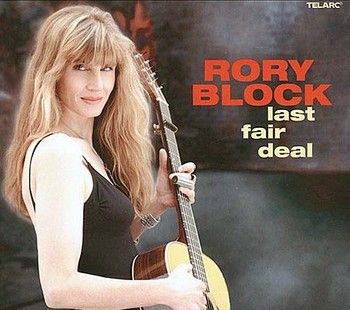
Rory Block


Rory Block - Last Fair Deal - 2003 - Telarc

"Like Jimi Hendrix’s air-raid rendition of “The StarSpangled Banner,” you won’t believe your ears." © Santa Monica Mirror

"Last real deal, more like it... she's got the funk... Pick, sister, pick." © Ink19

"this is the finest album of Rory Block's long career, and yet it feels like a signpost of things to come. Last Fair Deal is potent, profound, medicine." © All Music Guid

"...an arresting mix of sex and spirituality, sacred and profane. It has passion and intensity, along with excellent musicianship...a guilty pleasure." © Tuscaloosa News

"Playing with heart and soul non pareil, this is a must for the true contemporary blues fan." © Midwest Record Recap

"This has got to be one of the most eye opening CDs that I have gotten in many a year..." © BluzHarp.com

"...a stunning mix of covers and original material that taps the essence of Southern soul and pays homage to the masters of Delta blues." © Goldmine

A veteran blueswoman, Rory Block proves herself both a traditionalist and an explorer through this selection of blues classics, spiritual standards, and original material with a kindred spirit. She pays homage to her musical roots with impeccable renditions of songs associated with her late mentor Son House ("County Farm Blues") and his prize pupil Robert Johnson ("Last Fair Deal Gone Down," "Traveling Riverside Blues"). Yet she takes considerable liberties with the album's instrumental centerpiece, an all but unrecognizable version of the familiar "Amazing Grace," which here recalls Leo Kottke's aural adventurousness rather than the hymnal. The original "Declare" (inspired by the Bible's Book of Job) and the traditional "Hallelu, Hallelu" both find Block multi-tracking her vocals into the call-and-response of a full gospel choir, while "Cry Out Loud" and "Mama's Stray Baby" reflect the folkier strains of her artistry. An acoustic guitarist with a stinging slide and an understated virtuosity, she's more concerned with deep grooves than hot licks. © Don McLeese, © 1996-2009, Amazon.com

Rory Block, one of the world's great Delta blues revivalists, continues with her tradition of singing some of the great blues and gospel songs of yesteryear. She pays tributes to Charlie Patton, and Robert Johnson, and the album is dedicated to Son House, whom she knew in 1965. Rory sings with her usual heartfelt sincerity, and deep love of this kind of music. Her slide guitar work is as good as it gets. "Last Fair Deal" is HR by A.O.O.F.C. Check out her "Blues Walkin' Like A Man: A Tribute To Son House" album @ RBLOC/BWLAM/AT2SH Search this blog for other Rory Block releases, and if you want to hear an album of pure brilliance, buy Rory's "The Lady and Mr. Johnson," on which she pays tribute to the great blues legend, Robert Johnson.

TRACKS / COMPOSERS

1. Gone Again (Block) - 3:01
2. Sookie Sookie (Block) - 3:43
3. County Farm Blues (Son House) - 2:21
4. Last Fair Deal Gone Down (Robert Johnson) - 5:08
5. Declare (Block) - 3:56
6. Crying Out Loud (Block) - 5:12
7. Amazing Grace (Newton) - 2:53
8. Traveling Riverside Blues (Robert Johnson) - 3:02
9. Mama's Stray Baby (Block) - 6:02
10. Hallelu, Hallelu (Traditional) - 2:11
11. Two Places at a Table (Block) - 3:38
12. Awesome Love (Block) - 2:06
13. Look What the Lord Has Done (Traditional) - 3:08
14. Old Friends (Block) - 4:20

MUSICIANS

Rory Block - Guitar, Vocals
Rob Davis - Bass (Vocal)

REVIEWS

"Youthful and beautiful, Aurora Block plants her flag on the summit of being the finest female traditional blues guitarist and singer. After 15-plus recordings, Ms. Block finally signs with a major label, one that allows her to play her repertoire - a collection of older country blues and her plaintive, introspective original compositions. Always present on her recordings are Robert Johnson pieces. On the title cut, Ms. Block illustrates her facile and informed slide guitar style, light years ahead of many of her contemporaries. Also showcased are her soulful, urgent vocals. These attributes are also evident on a brilliant "Traveling Riverside Blues." Ms. Block also represents Eddie "Son" House with his "County Farm Blues." But the blues is not all. "Declare" is a thoroughly modern acoustic gospel piece composed by Ms. Block and employing a small choir and the Book of Job. The same themes are addressed in the traditional "Hallelu, Hallelu" and "Look What the Lord has Done." She turns in an inspired "Amazing Grace," weaving the familiar refrain in and out of 100 years of blues instrumentals. Ms. Block is at her most sensual on the sardonic "Sookie Sookie," a tale of a cheating husband and a threadbare wife. Rory Block deserves all of the favorable attention she has received in the past number of years. She is a keen keeper of the flame, opting to perform traditional songs in a traditional manner. She does this in a way none of her male contemporaries can, from a woman's perspective - and what a perspective that is." © C. Michael Bailey, JazzReview.com

"... Rory Block has matured into a talented, tasteful country-blues interpreter with a fine appreciation for the roots of the music. Here she pays tribute to Son House, whom she met as a teenager, with a dazzling display of guitar wizardry that would make the master proud. While the 14 tunes include only one Son original, "County Farm Blues," the spirit of the great pre-war Delta blues guitarist seems to guide the entire project. The husky-voiced native New Yorker also covers two Robert Johnson songs, "Last Fair Deal Gone Down" and "Traveling Riverside Blues." And her eight original numbers have a strong spiritual slant." © Jeff Johnson, Chicago Sun Times

"Last real deal, more like it. How Rory Block ever got so damn funky being born in Manhattan we'll never know (it probably helped that she hit the road in her teens to learn the blues) -- but however she got it, she's got the funk. Between her nimble, driving guitar and heartfelt voice she can move from "Son House (Country Farm Blues)" to "Amazing Grace" and sound compelling on both. In an age where blues artists either stick to one of two paths -- slavish recreations of old '78s or over-amped SRV cloning -- Block does neither. Instead, she uses delta blues as her vocabulary, but writes her own stories using the words of old. Last Fair Deal is an assured record that has the blues at its spiritual heart, created in equal measure of love and learning. Pick, sister, pick." © James Mann, Ink 19

Rory Block is one of just a handful of musicians trying to keep alive the splendid music of country blues -- the music that lives at the powerful and primitive beginnings of the blues itself. She's also one of the best, whether she's re-creating the tortured essence of a Son House song, or pouring her own soul into an original composition. This album, she says, is a celebration of her "best friend," her guitar, and dedicated to House. The title track here, though, is Block's interpretation of Robert Johnson's "Last Fair Deal Gone Down," in which she expands on her usual re-creation of the song, adding a little of Rory Block to the mix. Her tribute to House is his stark "County Farm Blues," about the grim life on a prison farm. Four of the tracks here are gospel numbers, including a ravishing instrumental improvisation of "Amazing Grace, and a haunting original, "Declare." Block's original work comprises the rest of the tracks: sensitive, personal, bluesy ballads. She uses extensive liner notes to tell what the songs mean to her, and how her own creations came about. It's a nice touch. Not that Block is shy about her personal life; her Web site at www.roryblock.com is filled with her thoughts and photos. That personal touch is just what the earliest bluesmen brought to their music. That nearly a century later Block is still exploring the nuances of the same music is a tribute to their art and to hers. © Jim White, Pittsburgh Post-Gazette

Rory Block has a talent and understanding of fundamental country blues that go far beyond playing covers of her favorite blues musicians. She makes them her own while still celebrating their significance. On "Last Fair Deal," Block glides her way through a 14-song acoustic set with impressive clarity. Her debut on the Telarc label, "Last Fair Deal" comes off sounding like an exclamation, as if she's saying, "I'm here doing what I love. Accept it or not." She performs eight original tunes as well as covers of Son House and Robert Johnson, two great influences on her career. Her talent on the guitar shines mostly brightly on an instrumental version of "Amazing Grace," a powerful tune in its own right but taken to new heights on Block's acoustic guitar. Block ventures into gospel on a few tracks, but she is best received with the hard-driving country blues tunes. She doubles the length of Johnson's "Last Fair Deal Gone Down," making it a free-wheeling spirit rather than being limited by its own constraints. "Sookie Sookie" shows a playful side and features a full and robust acoustic sound. "Mama's Stray Baby," "Hallelu, Hallelu," and "Look What the Lord Has Done" feature Block at her best, vocally, musically and emotionally. She really gets it. Thankfully, she's willing to share. © Evansville Courier & Press

"New York-based Rory Block’s Last Fair Deal (her first CD for Telarc) has her signature slide guitar and blues covers. But she also takes “Amazing Grace” apart and stunningly reassembles it. Block’s acoustic re-imagining is helped by a weird tuning. Like Jimi Hendrix’s air-raid rendition of “The Star Spangled Banner,” you won’t believe your ears." © Tony Peyser, Santa Monica Mirror

"If anyone can bring the past of the Blues to us in a vibrant, moving way, it's Rory Block. She always manages to astound any listener. Whether it is at a Blues festival or just turning on a friend that is not yet a believer, Rory makes one's jaw drop. She told me she was self-taught, so she has done more work than anyone I know already. After learning the Robert Johnson songbook, which she plays better than I've ever heard, she has accomplished the daunting task of getting the attention of the entire Blues world. She is truly an extraordinary artist. Last Fair Deal is another great album from Rory. She has some Delta, some Robert Johnson (thank you), some Gospel, some very personal songs and some traditional tunes on this CD. If you love Rory Block, you won't be surprised and if you haven't heard her, you will get mighty interested real fast. I must say that there is real sense of the spiritual on this CD that Rory has decided to share. I hope that she continues to sing the Blues with such belief and that she continues to amaze the fans with her innate abilities. Rory Block has a lot to tell us and I am grateful for that, but I don't want to get depressed about the personal stuff. I think that it IS paramount that an artist expresses how they feel. I will say that by doing Gospel songs on this CD, she has opened a door for other artists. Thank you, Rory. She's trying to tell us something here that we need to think about. I, for one, get it. Her a cappella version of "Ain't No Grave Gonna Hold My Body Down," on her last album, was only the beginning. Here she does more Gospel, with "Declare," "Hallelu, Hallelu" and "Look What The Lord Has Done." The CD also has excellent liner notes about each song, direct from Rory. "County Farm Blues," by Eddie House, Jr., Robert Johnson's "Last Fair Deal Gone Down" and his "Traveling Riverside Blues" completes the Delta tunes. These really show off the extent to which Block has learned the picking and the slide guitar of the Delta. She just keeps getting better, if that's possible. There are also some Folk-type tunes, or better, original songs by Rory on this CD. "Sookie, Sookie" tells of a hard times gal, while "Cry Out Loud" is a very old song that Rory found on an old cassette she had made, then forgotten about. She revives it just fine here. She finally writes about her favorite love, her dogs, with"Mama's Stray Baby." It had to happen-she loves her dogs like they were her children. This one's about Little Beaux. I'll let the other tunes speak to you when you acquire this great CD. Suffice it to say that Rory Block has another winner and another notch in her guitar for this CD." © Gary Miller, BluesWax.com

"Rory Block has long been one of the best, and most powerful, interpreters of traditional acoustic blues, and one of the finest contemporary songwriters rooted in the genre. On her strongest album in many years, she works solo and moves seamlessly from Delta classics like Robert Johnson’s Traveling Riverside Blues to moving original songs like Cry Out Loud, a tribute to selfless caregivers. Like many of her blues heroes, Block addresses both the Saturday night and Sunday morning sides of the music with several gospel numbers including Hallelu, Hallelu, in which her multi-tracked overdubbed voice effectively becomes a full choir. Whether she’s rattling the frets or tingling the spine with her slide, or picking out a subtle melody, Block’s guitar playing is superb throughout." © Mike Regenstreif, The Montreal Gazette

"As we officially recognize 2003 as the Year Of The Blues", veteran artist Rory Block has devoted an entire career, celebrating the deep roots and rich history this treasured genre. Her latest release, Last Fair Deal(Telarc 2003), is a true testament to the artists personal dedication keeping the traditional blues sound alive and vibrant for future generations. With distinctive collection of highly acclaimed recordings, this latest effort is her debut the Telarc label. Last Fair Deal, is a showcase of traditional country blues, gospel standards and personal arrangements, stretching Blocks creative boundaries. In the liner notes, she describes this new CD as a personal celebration her beloved instrument and best friend, her guitar. The growth of this relationship has developed into a true extension of the artist herself. Block refers her guitar as an "orchestra all on it’s own", a point successfully proven throughout the recording. Last Fair Deal is a brilliant piece of work, containing 14 songs highlighting artists passionate vocals, stinging slide technique and instinctual interpretation of genre’s origins. The opening track, Gone Again" is a hard driving, high energy tune, illustrating Block’s masterful guitar genius, even showing her playful side. It begins with the roar of a Harley, she punctuates a rhythmic response, keeping pace with the engine. As the bike trails off in the distance, her slide mirrors the open road, traveling across the fretboard while enjoying the ride. The following track, "Sookie Sookie" is a slower slide piece. This soulful blues tune tells the story of a cheating husband and the turmoil caused. The aggressive slide work expresses the overall anger and frustration, while she vocally conveys the painful heartache. Next, Block honors both her musical roots and long time mentor Son House with an authentic presentation of, "County Farm Blues". She embellishes upon the delta style with such natural ease, delivring a gutsy, acoustic performance. Her emphasis remains loyal to the traditional feel, surely making the master quite proud. Two tracks also pay tribute to Robert Johnson, "Last Fair Deal Gone Down" and "Traveling Riverside Blues". Block rips into some raw, deliberate blues work. Plenty of hard driving rhythm and blistering slide, without overshadowing her distinctive vocal accents. All three tracks are pure passion and dazzling proficiency, an excellent display of this blues guitar virtuoso at her finest. Last Fair Deal, is a complete package, as the artist explores several areas of the blues genre. She ventures into a wealth of creative imagery on "Amazing Grace" and "Awesome Love", two instrumentals which sparkle with spontaneity. Each track shines with long tonal expressions, resonating inner beauty with intense emotion. Both these tracks sound improvised at times, yet very deliberate at others, as each carries a warm glow from start to finish. There’s also a spiritual presence on this new CD, as Block exercises her gospel muscle. On "Declare", both vocals and slide testify simultaneously, with Block sounding like a preacher at a Sunday morning service. The choir articulates a bright, uplifting sound with their "call and response" style, helping to drive home the message. "Look What The Lord Has Done", is another strong spiritual track with plenty of gospel and country blues overtones, celebrating the power of the Lord. Block also covers a more folk type blues on "Mama’ Stray Baby" and "Two Places At A Table". Both tracks are very introspective, as the artist shares on a very personal level. She reaches into the emotional well about love and loss almost too difficult to describe. Block opens the door just wide enough for the listener to feel her joy and sorrow, tenderness and heartache, told poignantly through the clarity of her voice and the strings of her guitar.Last Fair Deal is a wondrous blend of musical color, vivid as a rainbow after a thunderstorm. Each track, with it’s own unique style and sound, is blended together creating an amazing masterpiece. This new CD finds Block returning home to the blues, honoring it’s tradition and venturing into it’s future. The depth emotion and artistic creativity on this new recording will have both her fans and the folks at Telarc wanting for more. Block has definitely hit this one out of the park, most certainly an impressive example of what’s yet to come." © Pamela L. Dow, SoundWaves

BIO (Wikipedia)

Rory Block (born Aurora Block, November 6, 1949, Princeton, New Jersey) is an American female blues guitarist and singer, a notable exponent of the country blues style. Block was born in Princeton and grew up in Manhattan. Her father, Allan Block, ran a sandal shop in Greenwich Village in the 1960s, and the constant presence of members of the Greenwich Village folk music scene, such as Peter Rowan, Geoff Muldaur and John Sebastian, made an impression on the young girl, who studied classical guitar. Around age 14, she began to be fascinated by old Mississippi Delta blues, listening to old albums, transcribing them, and learning to play the songs. At age 15, she left home to seek out the remaining blues giants, such as Mississippi John Hurt, Reverend Gary Davis and Son House, and hone her craft in the traditional manner of blues musicians; then she traveled to Berkeley,California where she played in clubs and coffeehouses. After retiring temporarily to raise a family, Block returned to the music industry in the 1970s with middling success until signing with Rounder Records in 1981, who encouraged her to return to her love for the classical blues form. Since then she has carved out her own niche, releasing numerous critically acclaimed albums of original and traditional songs, including many Robert Johnson covers, including "Terraplane Blues" and "Come on in My Kitchen". Block has won five W. C. Handy Awards, two for "Traditional Blues Female Artist" (1997, 1998), three for "Acoustic Blues Album of the Year" (1996, 1999, 2007). Her many albums, such as Turning Point, Angel of Mercy and Tornado have featured her own songs, while Mama's Blues, Ain't I A Woman and When A Women Gets The Blues spend more time amongst her blues models like Tommy and Robert Johnson, and the blueswomen Lottie Beaman and Mattie Delaney. Block continued to tour, although not as heavily as in earlier times, and she's often accompanied by her grown son Jordan Block, who also plays on her albums. She remained busy in the early part of the 2000s, releasing six albums, including a live recording. 2005's From the Dust drew raving critical reviews, as did 2006's The Lady and Mr. Johnson.


BIO

Aurora "Rory" Block has staked her claim to be one of America's top acoustic blues women, an interpreter of the great Delta blues singers, a slide guitarist par excellence, and also a talented songwriter on her own account. Born and raised in Manhattan by a family that had bohemian leanings, she spent her formative years hanging out with musicians like Peter Rowan, John Sebastian, and Geoff Muldaur, who hung out in her father's sandal shop, before picking up the guitar at the age of ten. Her record debut came two years later, backing her father on The Elektra String Band Project, a concept album. She met guitarist Stefan Grossman, who, like her, was in love with the blues. The pair would often travel to the Bronx to visit Reverend Gary Davis, one of the greatest living bluesmen. At the tender age of 15 Block left home, hitting the road in true '60s fashion and traveling through the South, where she learned her blues trade at the feet of Skip James and Mississippi John Hurt, her greatest influence, before ending up in Berkeley. It was there that she developed her slide technique (she uses a socket wrench as her slide), but she didn't record until 1975, when she released I'm in Love (a compilation of earlier material, The Early Tapes 1975-1976, appeared later). After two records for Chrysalis, she recorded the instructional How to Play Blues Guitar for Grossman's Kicking Mule label, and later moved to then-fledgling Rounder, with whom she enjoyed an ongoing relationship. She toured constantly, often playing as many as 250 dates in a year, which kept her away from her family -- she'd married and begun having children in the early '70s -- but developed her reputation as a strong, vibrant live performer, and one of the best players of old country blues in America. In 1987 the best of Block's Rounder cuts were compiled on Best Blues & Originals, which, as it said, featured her interpretations of blues classics and some of her own material. Two of the tracks, released as singles in Belgium and Holland, became gold record hits. In addition to her regular albums, Block made a series of instructional records and videos, as well as a children's record, Color Me Wild. Although she had been performing for a long time, the plaudits didn't really begin until 1992, when she won a NAIRD Award for Ain't I a Woman, a feat repeated in 1994 and 1997. In 1996 she began winning W.C. Handy Awards, first for Best Traditional Album (When a Woman Gets the Blues), and in 1997 and 1998 for Best Traditional Blues Female Artist. In 1997 she was elected to the CAMA Hall of Fame, and in 1999 she received yet another Handy Award, for Best Acoustic Blues Album (Confessions of a Blues Singer). Block continued to tour, although not as heavily as in earlier times, and she's often accompanied by her grown son Jordan Block, who also plays on her albums. She remained busy in the early part of the 2000s, releasing six albums, including a live recording. 2005's From the Dust drew raving critical reviews, as did 2006's The Lady and Mr. Johnson, an album that sees Block taking on select songs of her musical hero, idol, and biggest influence, Robert Johnson. © Chris Nickson, All Music Guide

Doug MacLeod Band


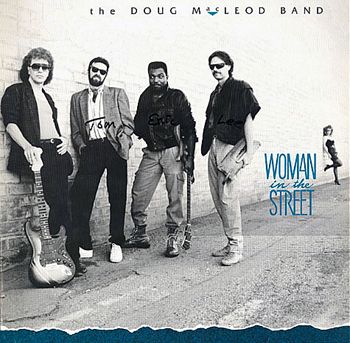
Doug MacLeod Band - Woman in the Street - 1986 - Stomp

A great soul/blues jazz album from the great Doug MacLeod, and his band. "Woman in the Street", reached the #2 position on the Stomp label’s chart of best-sellers shortly before Doug MacLeod Band's first European tour in the summer of 1988. New York born Doug MacLeod is a highly respected musician on the jazz blues circuit. He has received many awards and accolades for his music, and he is one of the great blues traditionalists. There are many blues influences on this album, and the song "Send the Soul on Home" is a tribute to George "Harmonica" Smith, Pee Wee Crayton, Lloyd Glenn, and Big Joe Turner. "Woman in the Street" is not one of Doug's better known albums, and any help with band members, and song composers on this album would be appreciated. The songs are most likely all originals composed by Doug and/or band members. Listen to his great "You Can't Take My Blues" album, and his brilliant "No Road Back Home" album is well worth buying

TRACKS

1. Skin Game 3:55
2. Working Man Blues 4:33
3. The Highway They Called The Blues 4:29
4. I Might Bend (But I Won't Break) 4:05
5. I Think You're Foolin' Me 3:38
6. King Freddie 4:25
7. Still Some Smoke 3:26
8. Splain' It To Me 3:11
9. Send The Soul On Home 6:24
10. Woman In The Street 3:30
11. One Good Woman 3:13
12. Church Street Serenade 7:37

BAND

Doug MacLeod - Guitar, Vocals
Eric Ajaye - Bass
Lee Spath - Drums
Tom Kellock - Keyboards (Thanks Zevoin!, & for cover...A.O.O.F.C)

ABOUT DOUG MACLEOD BAND

"Never play a note you don’t believe." That’s the advice that a one-eyed blues singer named Ernest Banks gave to singer-songwriter-guitarist Doug MacLeod a few decades back. Following that advice, the New York-born, Southern California-based MacLeod has emerged as one of the most highly respected blues artists on the scene today. Unlike most other bands working in the blues/jazz idiom today, the Doug MacLeod Band plays only original material, not reworked versions of blues standards from the past. The high caliber of their compositions is evident on Ain’t the Blues Evil, the first Volt release by the 44-year-old guitarist and his group. MacLeod’s 1984 debut recording on Hightone Records, No Road Back Home, brought him three W.C. Handy nominations, including Best Song of the Year ("Your Bread Ain’t Done," which was also recorded by Albert King on his Grammy-nominated Fantasy album, I’m in a Phone Booth, Baby), Best Album of the Year, and Best New Artist of the Year. Another award nomination for Best Song of the Year, from the prestigious Handy Foundation (the blues world’s equivalent of a Grammy), came MacLeod’s way in 1987, when blues star Albert Collins recorded his now-legendary salute to the working men of the world, "Cash Talkin’ (The Working Man’s Blues)." Today, Doug’s ever-increasing catalog of original material is approaching 200 songs, which continue to be recorded by artists such as King, Collins, and Son Seals. MacLeod’s second album, Woman in the Street, released throughout Europe on Germany’s Stomp Records label (a division of Line Records), soared to the #2 position on the label’s chart of best-sellers shortly before his first European tour in the summer of 1988. The Doug MacLeod Band electrified audiences at the Belgium Rhythm & Blues Festival (considered by many blues aficionados to be the best festival in the world) and were hailed by the critics as show stealers of the weekend event, which also featured the likes of John Lee Hooker, Marcia Ball, and Stevie Ray Vaughan. The reactions to the band’s performances in Belgium, Holland, and Germany were ecstatic, resulting in an equally spectacular 1989 tour that included the same territories plus Finland. Last year the band returned to Europe for another triumphant tour, promoting their second Line release, 54th & Vermont. At home, they made an unprecedented sixth consecutive appearance at the renowned Sedona, Arizona Jazz on the Rocks Festival, where year after year the band has walked off as the crowd-pleasers of the highly acclaimed event. (They’ll be returning to the Sedona Festival this September.) Doug MacLeod’s seemingly recent arrival on the blues/jazz front has actually been a long time in coming. For over two decades he has worked in a diverse number of musical arenas. The late Sixties and early Seventies found him playing the East Coast coffeehouse circuit with folk musicians like Emmylou Harris and Juice Newton, while still serving in the U.S. Navy. He graduated from Boston’s Berklee School of Music and spent time in pop music as conductor for songstress Mary MacGregor, and guitarist in the road company of Grease. A move to the West Coast put him back in touch with the music he knew best and loved most-the blues-and he decided to devote all his energies to that field. His reputation as a superb guitar player spread, and he soon found himself performing and recording with blues giants such as Pee Wee Crayton, Lowell Folsom, Margie Evans, Big Mama Thornton, Eddie "Cleanhead" Vinson, and Big Joe Turner. In Los Angeles he met the legendary George "Harmonica" Smith, who became not only one of his best friends, but a major influence on his life and on his music. One of MacLeod’s most memorable songs, "Send the Soul on Home" (from his Woman in the Street album), was written as a tribute to Smith and three other blues heavyweights-Pee Wee Crayton, Lloyd Glenn, and Big Joe Turner. Drummer Lee Spath and bassist Eric Ajaye, much sought after as studio musicians on the West Coast, have been with the band since its inception and help to make the group one of the tightest and most respected in the business. Spath has worked with artists such as Thelma Houston, Jimmy Witherspoon, Pee Wee Crayton, Joe Houston, and George Cables. He is also featured on three tracks of the smash-hit Robert Cray album, Strong Persuader. Ajaye, brother of comedian Franklin Ajaye, is best known for his work with the Pointer Sisters, Taj Mahal, Freddie Hubbard, Della Reese, Nancy Wilson, Jeremy Steig, Chris Thomas, Joe Louis Walker, George Howard, and others. Keyboardist Ed Czach, sporting a Masters in Music from the Eastman School of Music in Rochester, New York, joined the band last October. His musical background is as eclectic as that of the rest of the members, with a resume that includes a stint as music director and conductor for pop star Mitzi Gaynor’s touring company of the Broadway musical Anything Goes, and recording and touring credits with artists such as Ben Vereen, Clark Terry, Chuck Mangione, Melba Moore, Woody Shaw, and Tom T. Hall. Ain’t the Blues Evil, recorded just a month after Czach came on board, is set for release as the group returns from yet another successful European tour. The new album, combined with summer U.S. dates and a major tour of Europe this fall, will help get the word out that the Doug MacLeod Band is one of the most original voices in blues today. 5/91 © 2009 Concord Music Group, Inc. unless otherwise indicated. All rights reserved

DOUG MACLEOD BIO

Unlike some other bluesmen now leading their own bands, guitarist and singer/songwriter Doug MacLeod spent many years as an apprentice before forming his own group. MacLeod has worked as a sideman for many different artists from the Los Angeles-area blues scene, including Big Joe Turner, Charles Brown, Pee Wee Crayton, Eddie "Cleanhead" Vinson, and George "Harmonica" Smith. MacLeod was born in New York on April 21, 1946, and his parents moved to Raleigh, NC, shortly after his birth. In his teens he moved to St. Louis and began frequenting the blues clubs there, learning from people like Albert King, Little Milton, and Ike & Tina Turner. He took up the bass in his teens and played around St. Louis with local bands before enlisting in the Navy. MacLeod was stationed in Norfolk, VA, and spent his off-duty time playing in blues bars. He eventually settled in Los Angeles, accompanying many other blues performers before forming his own band. His songs have been recorded by Albert King, Albert Collins, and Son Seals. MacLeod's 1984 album, No Road Back Home, was nominated for a W.C. Handy Award in 1984 and has since been reissued on compact disc on the Hightone label. MacLeod has widely available albums on Audioquest -- Come to Find (1994), You Can't Take My Blues (1996), Unmarked Road (1997), and Whose Truth, Whose Lies? (2000). His first Audioquest disc features guest appearances by harmonica players Carey Bell and fiddle player Heather Hardy, while the second has a guest appearance by harp player George "Harmonica" Smith. MacLeod has also recorded for a variety of independent labels, including such albums as Woman in the Street, 54th & Vermont, and Ain't the Blues Evil. MacLeod's A Little Sin was released in 2002, recorded in July of that year with producer/frequent collaborator Joe Harley. © Richard Skelly & Al Campbell, All Music Guide

17.10.09

Rocky Athas


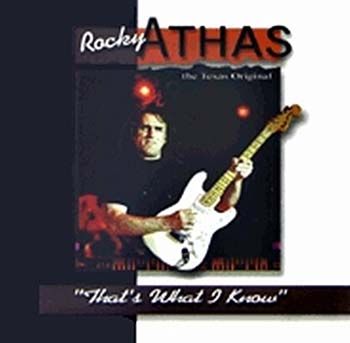
Rocky Athas - That's What I Know - 1999 - Ind.

A superb guitarist in fine company. - Pete Sargeant, Blues Matters!

He played in the band Lightning, which back in the day, was one of the hottest things in Texas and that is saying something. Then of course there was Black Oak Arkan sas. His own recording career has been stellar. He’s done great work with people like Buddy Miles and the boys of Double Trouble. His reputation as an amazing guitarist is no exaggeration. This guy is the real thing. - South West Blues, August 04 Volume 7

Texas veteran and smoking gun guitarist Rocky Athas fits easily in the same league of guitar gods as his long-time friends Stevie Ray Vaughan and Eric Johnson. - BluesWax Ezine

Rocky Athas' first solo outing is a Grade A instrumental album which really highlights the wizadry of this guitar genius. Rocky has a vast amount of experience, through his associations with his own "Lightning" band, and as lead guitarist with Black Oak Arkansas. He has also played with Buddy Miles, and numerous other great blue and rock artists. By the age of 23, Rocky Athas was recognised as one of Texas’ Ten Best guitarists as an inductee to BUDDY Magazine’s TexasTornadoes. People like Billy Gibbons and Johnny Winter have also received this honour. As a kid, Rocky Athas played local gigs with his friend, the late Stevie Ray Vaughan, in Oak Cliff, Texas, and the track, "To My Friend", is a good tribute to Stevie Ray. Rocky Athas is a legend in blues rock circles, but is still an unknown artist to many people. Check out the Buddy Miles featuring Rocky Athas' "Blues Berries" album, a terrific funky, soul rock album by the two great musicians. This album, "That's What I Know", is ridiculously hard to find, but buy the Rocky Athas Group's great "Voodoo Moon" album, and promote this guy

TRACKS

Think About It
D Boogie
On The Move
Rock Funk
Run Children Run
Instrumental Solo
What's That
That's What I Know (Based on Jimi Hendrix's "Instrumental Solo" from Woodstock)
Rachel
To My Friend

CREDITS

Rocky Athas - Lead Guitar, Composer
Clark Findley- Keyboards, Bass, Drum Programming, Composer

ABOUT ROCKY ATHAS

It would be the worst hangover Rocky Athas ever had. Pantera was back in the Metroplex after yet another of their globe-hopping stadium tours, and guitarist "Dimebag" Darrell Abbott called Athas, whom Dime has frequently cited in any number of national publications as one of his biggest guitar influences, to ask his mentor if he wanted to go to some clubs and jam. Athas, the seminal Dallas rock guitarist whose career has been punctuated by a job-like litany of bad breaks, was just happy that Pantera remembered him. They hit a few clubs, drank far too heavily -- by Athas' standards anyway -- and commandeered the stage at a local rock joint, cruising through an invigorating set of tunes. Sometime shortly before dawn, Athas wobbled home. I got about three hours sleep, then had to get up and go work construction the whole day while the Pantera guys were probably driving around in their "Vettes" with their cell phones," Athas said. "I'm proud of them and happy for them, but sometimes fate hands you a pill that's pretty hard to swallow." Athas laughs, thinking back on that interminable day at the construction gig. "I felt horrible, I'd bend over to pick up a piece of sheetrock and it was like my head was going to pop. I just throught, well, you gotta do what you gotta do." It's a few years later and if Athas hasn't turned into the Eddie Van Halen-style musical force the entire state of Texas expected him to become way back in 1975, when his band Lightning was an almost shoo-in bet for rock stardom, life is nonetheless much better. As the lead guitarist for the resurgent Black Oak Arkansas, Athas is preparing to hit the road touring in support of the band's first CD for the Cleopatra label, which has also recently signed Todd Rundgren and the Tubes. Too, fans across Texas are rejoicing over the recently released That's What I Know, Athas' first solo album. Instrumental record: An adventuresome instrumental record showcasing his six-string sorcery in a variety of Texas rock nuances. That's What I Know is a project that brings to mind hints of Billy Gibbons, Eric Johnson, and Andy Timmons, all the while underlining Athas' extremely distinctive and witty style. He's also been musically active with old friend. Glenn Hughes, the celestially-voiced bassist/songwriter from Trapeze and Deep Purple who's now carving out a solo career. The two recently toured Texas as part of a band Hughes put together in tribute to the late Tommy Bolin, one of Hughes' closest friends until Bolin's accidental death in 1978. The group also included Dallas bassist Robert Ware and drummer Johnnie Bolin, Tommy's brother and Athas' partner in a Black Oak lineup otherwise comprised of original members Jim Dandy Mangrum, Rickie Reynolds, and Pat Daugherty. The sold-out tour, which took place this past February, featured a variety of arrangements of classic Bolin songs as well as new and old material from Hughes' substantial repertoire. An album of a similar, earlier tour of the midwest, called Tommy Bolin: 1997 Tribute, is now out, and the just-finished Texas junker was recorded for release sometime this fall. New Perks: At 44, An age once considered old by rock 'n' roll standards (at least until Keith Richards learned how to flourish by drinking embalming fluid with his whiskey), Athas is finally embracing the perks his talents should have earned him long ago. "When Black Oak actually got this record deal," he says, "and I was finally signing a real recording contract, I was excited but not overwhelmingly so. By this point, I just thought, "Well, it happened. What's next?" The inclination at my age is to celebrate by having something to eat and watching the Three Stooges, as opposed to going on some wild three-day drunk or whatever. "But we're out there playing, and selling out large clubs, and doing some festival shows. We just did a show in Memphis with Sheryl Crow, the Goo Goo Dolls and Hootie & The Blowfish, and there's talk that the tour this summer will be opening for Motley Crue. This whole VH-1 Where Are They Now? attitude has rekindled an interest in a lot of good, older bands' careers." Long sober, Athas views the whole rock 'n' roll lifestyle with the sort of maturity that's almost inevitable if one's to be a survivor in the business. He's more than happy by the good things finally coming his way, but he tempers his accomplishments with the pragmatic realism of one who's had to face disappointment and the unflattering terrain of obscurity. "A lot of people have come up and ask where I've been," he laughs. "Well, the cool part is that I've been playing more than ever, it's just in a national context. A few years ago you could have asked where I'd been and I couldn't really give you a good musical answer. Now I've got plenty going on, and it's a good feeling." On a local front, the release of That's What I Know is arguably one of the most eagerly-awaited records in Texas rock history. That Athas, at one time the most well-known of a triumvirate of Young Turk guitar heroes that included Johnson and Stevie Ray Vaughan, it's almost inconceivable that there's never been an album of his material available. Though Lightning recorded a complete album for Capricorn in the late seventies, when label head Phil Walden was at the height of his Allman Brothers-fueled power, the company sunk in a black tide of bankruptcy only weeks before the record could be released. Over the years, Athas has appeared as a guest artist on numberous projects, but That's What I Know is the first truly representative product available. "It feels great that peole can actually take me home now," he says. "If it wasn't for (producer) Gregg Diamond and (keyboardist/arranger/co-writer) Clark Findley, there wouldn't be a record. It was Gregg's idea to do the project--we did it at his Diamond Head Studios--and Clark programmed the drums, played keyboard, bass, and all the keyboard parts and helped with the material. Clark is one of the most remarkable keyboard players in the area. Hopefully, there'll be a lot more to come." Dexterous Fingers: That's What I Know is a fine sampler for those familiar with the speed, taste and flavor of Athas' dexterous fingers. From the melodic crunch of "D Boogie" and "What's That" to the haunting and lovely strains of "Run Children Run" and his remarkable take on Hendrix's "Instrumental Solo" from Woodstock, That's What I Know easily provies a fix for long-starved fans. That's What I Know is available locally at Tower Records, CD Warehouse, Forever Young Records, Bill's Records & Tapes, Pagan Records, CD World, and off the BOA Website at www.blackoakarkansas.com. The Tommy Bolin 1997 Tribute is available through the Tommy Bolin site and through Glenn Hughes' homepage. Though the Athas solo CD was recorded without live drums, and doesn't feature any of the vocal tunes long associated with the Lightning/Athas' canon ("Home Again," "Woman I Ain't Your Fool," "Here Today" or "Gold at The End of the Rainbow," to name a few), this shouldn't indicate that the guitarist turned his back on the past or wasn't into a group project. He says it was a question of time and logistics and that future recordings with a full band and vocal tunes will certainly be in the works, though a premium on new material is to be expected. In the meantime, Athas is just glad to have the record out and is looking forward to the Black Oak tour and the release of their new album on which he co-wrote five of the tracks. "It's almost like the fans of BOA have come full circle in 20 years," he says. "It's like they had to stop partying long enough to raise a family, and now they're back, and their kids are with them. We have 16-year old kids coming up to us at shows, and they know all the material!" Athas pauses to pnder the adaptive qualities of rock music as the genre aproaches its 50th birthday. "There isn't a musical gap anymore, like when we were younger," he says. "Today, my (19 year old) son and I can go to the same rock show and get off on it; as a kid, when I was listening to the Beatles, my folks were into Glenn Miller. Big difference. Over the years, the ability of rock to change but keep certain vital ingredients has blurred all that. [ from The Road's Been Rough And Rocky. The Great Mystery: Why is Rocky Athas Not Yet A Major Star? June, 1999 Buddy Music Magazine. © Chuck Flores ]

MORE ABOUT ROCKY ATHAS

By age 23, Rocky Athas was honored as one of Texas’ Ten Best guitarists as an inductee to BUDDY Magazine’s TexasTornadoes. He holds this honor with such noted guitarists as ZZ Top’s Billy Gibbons, Eric Johnson, Bugs Henderson, Johnny Winter, John Nitzinger, and Jimmy Vaughan. Athas grew up playing neighborhood gigs with childhood pal Stevie Ray Vaughan, and shortly thereafter flip-flopped headliner chores in a series of shows with another friend, Eric Johnson. No Less than Billy Gibbons, Pantera’s "Dime-Bag" Darrell Abbott, and the New Bohemians’ Kenny Withrow are long-time admirers of the Oak Cliff guitarist. Rocky wasn’t only recognized by Texas musicians, the English rock band "Thin Lizzy" wrote the song ‘Cocky Rocky" after hearing Rocky play one night at "Mother Blues", a local Dallas club. Queen guitarist Brian May was also on hand for those performances and was so floored by Rocky's finger tapping style that he incorporated it on the next Queen album. May later revealed that it was the guitarist from Mother Blues who first introduced him to this style, well before Eddie Van Halen became known for this. "In the late 70s and early 80s, he was the creative vortex behind Lightning, absolutely one of the biggest draws in Texas nightclub history. The band toured with the hottest arena acts of the time, including Ted Nugent, Pat Travers, The Kinks, Rick Derringer, Ritchie Blackmore’s Rainbow, and Peter Frampton. Also at that time Rocky’s fame was such that Guild introduced the Rocky Athas I guitar, and Gibson honored Rocky by making him the only non-record label endorsee in the company’s history. Rocky took a further step up and received a well-earned and more substantial taste of the big time when he signed on as lead guitarist for the legendary Black Oak Arkansas. Rocky also played on BOA’s Ready As Hell LP, and his remarkable musical presence is indelibly etched into the grooves of the critically acclaimed album. Rocky once again joined Jim Dandy and BOA touring in 1996 through 2001. Rocky and the group recorded their latest CD The Wild Bunch which was released to great reviews in late 1999. Subsequent to BOA Rocky has worked as a session guitarist for Polygram records out of Memphis’ Ardent Studios, and conducted a series of regional clinics in Dallas. He has co-written songs with former Deep Purple/Trapeze vocalist Glenn Hughes and released an album in 1997called Tommy Bolin Tribute. The albums release was followed by a short US tour. You can open the pages of Stevie Ray Soul To Soul, by Kerri Leigh and read Rocky's recollection of childhood memories that he and Stevie Ray Vaughan shared. They were schoolmates and friends growing up in the Dallas suburb of Oak Cliff, Texas. In 2001 Rocky was busy with a followup to his 1999 solo instrumental CD That's What I Know. Mega producer Jim Gaines was brought in for the current project Rocky Athas & Bluesville. He felt Rocky's talents should be showcased in another solo effort. Mr. Gaines is also active in helping get the recording in the hands of a suitable label. Rocky's most recent accomplishments have included a project called The Blues Berries with drummer Buddy Miles of Jimi Hendrix's Band of Gypsy's, and SRV's rhythm section Chris Layton and Tommy Shannon. The CD was released in March 2002 in Europe and May 2002 in the US on Ruf Records. Buddy Miles first discovered Rocky Athas’ inventive guitar playing in the late 1970’s when Rocky’s band Lightning opened for Miles Express. Rocky had already been named as one of the original "Texas Tornadoes". His good friend Stevie Ray Vaughan would receive his induction two years later. Rocky and Buddy reunited in 2000 and finally kept their commitment to record together. Rocky had just completed a studio session with Chris Layton and Tommy Shannon, and everyone felt it would be a perfect fusion of talents to all do a blues project together. Rocky is also proud to be a current endorsee for BMF Amplification from Lewisville, Texas. You can check BMF and Rocky in the latest issue of Guitar Player Buyers Guide Magazine. © www.geneshamburgerharbor.com/bandbio2.html

15.10.09

Quiver


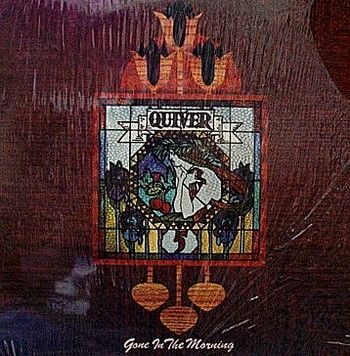
Quiver - Gone In The Morning - 1972 - Warner Bros. Records

A good British seventies melodic rock band, who became better known when they teamed up with the folk rock band, The Sutherland Brothers, in 1972, and formed The Sutherland Brothers & Quiver. Similar to contemporary British bands like Gallagher & Lyle, and Blue, Quiver were good musicians, and songwriters, but success evaded them. However with The Sutherland Brothers, Quiver had moderate success, recording several albums into the early eighties. Ian Sutherland's "Arms Of Mary", and "(I Don't Want To Love You But) You Got Me Anyway" are superb pop rock songs. Also, Ian Sutherland's classic anthemic "Sailing" was a mega-hit for Rod Stewart. Forgive the sound quality on this album, but it is well worth hearing. It's a very underrated album, as is Quiver's s/t album. The "The Very Best Of The Sutherland Brothers & Quiver" album can be found @ VBOSB&Q and The SB&Q "Lifeboat" album @ SB&Q/LB

TRACKS / COMPOSERS

A1 Dorset - Cal Batchelor
A2 I KnowYou So Well - Cal Batchelor
A3 Green Tree - Tim Renwick
A4 Love/No Boundaries - Cal Batchelor
A5 I Might Stumble - Cal Batchelor

B1 Gone In The Morning - Cal Batchelor , Tim Renwick
B2 Fung-kee Laundry - Bruce Thomas , Cal Batchelor , Tim Renwick , Willie Wilson
B3 She's A Lady - Cal Batchelor
B4 Don't Let Go - Bruce Thomas , Cal Batchelor , Tim Renwick , Willie Wilson

BAND

Cal Batchelor (vocals, guitar, keyboards)
Tim Renwick (vocals, electric guitar, banjo, recorder, acoustic bass guitar)
Bruce Thomas (harmonica, bass guitar)
Willie Wilson (drums, percussion, chimes)

QUIVER BIO

A melodic UK progressive rock band, Quiver occasionally followed a country rock path but achieved more success following their merger with the Sutherland Brothers. The line-up comprised Tim Renwick (7 August 1949, Cambridge, England; guitar, vocals, flute) and Cal Batchelor (guitar, vocals, keyboards). Renwick had formerly been with Junior’s Eyes, and he and Batchelor recruited Cochise drummer John ‘Willie’ Wilson (b. 8 July 1947, Cambridge, England). Subsequently, the line-up of Wilson, Renwick, Batchelor, and ex-Village bass player Bruce Thomas (b. 14 August 1948, Middlesbrough, Cleveland, England; bass/vocals), recorded the self-produced Quiver. For the recording, they were augmented by Dick Parry (saxophone). The same line-up recorded Gone In The Morning, but due to lack of commercial success the band was subsequently dropped by Warner Brothers Records. The members were not coming up with new songs, and so they decided to join the Sutherland Brothers, the two line-ups merging in late 1972 with the addition of Pete Wood (b. Middlesex, England, d. 1994, New York, USA; keyboards). Shortly afterwards they were signed to Island Records, and with a number of personnel changes, achieved a degree of chart success. Renwick went on to form 747 and Kicks and is now an in-demand session guitar player, touring with bands such as Pink Floyd and Mike And The Mechanics. Wilson plays with the Coyotes, and Thomas with Elvis Costello’s backing band the Attractions. Quiver’s greatest claim, however, is being the first ever band to play the legendary Rainbow Theatre in London. [ Source: The Encyclopedia of Popular Music by Colin Larkin. Licensed from Muze ]

THE SUTHERLAND BROTHERS & QUIVER BIO

Folk rockers the Sutherland Brothers formed originally in London during 1970, but it wasn't until a few years later (when the group fused together with another band) that they enjoyed their greatest chart success. Brothers Ian (vocals, guitar) and Gavin (bass, vocals) first went by the name of A New Generation (at the insistence of their manager at the time) before the duo changed their name to the Sutherland Brothers and recorded a demo. The tape caught the ear of former Traffic bassist Muff Winwood, who helped sign the duo to Island Records, a label that Winwood served as an A&R man for at the time. A pair of largely folk-based recordings were issued in 1972, a self-titled debut and Lifeboat, the latter of which scored the group their first bona fide hit, "(I Don't Want to Love You But) You Got Me Anyway," as well as an original composition that would later be covered by Rod Stewart, "Sailing." By the dawn of 1973, the Sutherland Brothers decided to augment their group (they were unhappy with their live sound at the time) by teaming up with an obscure rock act named Quiver (who had issued a pair of underappreciated albums on their own — 1971's self-titled release and 1972's Gone in the Morning) — as the new group went by the name of the Sutherland Brothers & Quiver, or SBQ. The Sutherland Brothers & Quiver remained intact for much of the '70s and Stewart's aforementioned cover of "Sailing" hit the number one spot in the U.K. and during 1975, the group scored another sizeable hit on their own with "The Arms of Mary" (peaking at number five in the U.K.). The group steadily toured both the United States and Europe, issuing such further releases as 1973's Dream Kid and 1974's Beat of the Street before leaving Island for Columbia Records and releasing 1975's Reach for the Sky, 1976's Slipstream, 1977's Down to Earth, and 1979's When the Night Comes Down. But by the dawn of the '80s, the hits had dried up and SBQ decided to call it a day. Both of the Sutherland brothers attempted to launch solo careers on their own during the early '80s, but both failed to retain the audience of their previous band. © Greg Prato, © allmusic.com

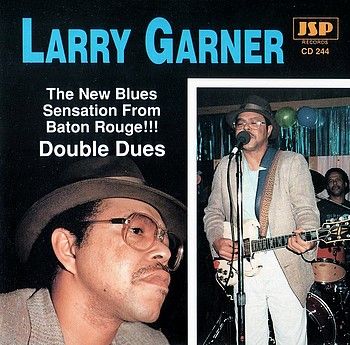
Larry Garner


Larry Garner - Double Dues - 1993 - JSP

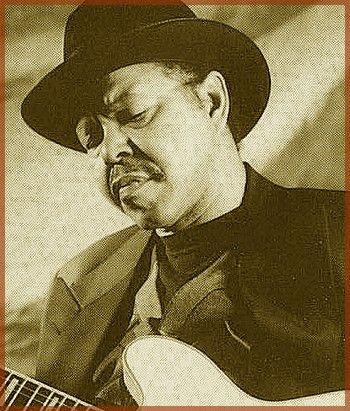
Larry Garner was born in New Orleans, Louisiana, in 1952 and was raised around Baton Rouge. He has been influenced by many of the Baton Rouge blues scene: Lonesome Sundown, Silas Hogan, Henry Gray, and Guitar Kelly. Larry Garner writes his own material and this reflects his upbringing and surroundings. Larry Garner had his first guitar at eleven years old and he tells a great story in his live act about being taught a blues lick, which he practised and practised and was then encouraged by his proud parents to play at the church. You need to see his arm movements, as he tells the story, to fully understand the level of skill he had reached. Larry Garner then moved through various musical styles before, rather inevitably, settling on The Blues. Larry Garner served in Korea, still playing The Blues and then returned to Baton Rouge to get married. A family followed and he got a good job with Dow Chemical while playing Blues gigs in the evenings. As Larry Garner continued to play further afield from Baton Rouge he started to reach a wider audience and in 1988 he won the B.B. King "Lucille" Award for Doghouse Blues. The big break came in 1992 at the Burnley Blues Festival in England, where he was a big hit and this led to the London based JSP records signing Larry Garner in 1993 and Double Dues and Too Blues rapidly followed. Allegedly Too Blues was so called because a record company had turned him down in the past because his music was - Too Blues! The Gitanes Jazz label in France heard the JSP recordings and when Larry Garner made another storming live appearance, this time in the New Morning club in Paris, they decided to sign him. Subsequently You Need To Live A Little came out in 1995 to be followed by Baton Rouge in 1996. Larry left Verve in 1997 and subsequently he recorded Standing Room Only with the German Ruf label. These days Larry Garner seems to be touring all the time and if you get the chance, go to see him, because the man is definitely worth seeing live! © 2006-2009 BluesSearchEngine.com

A great album from the relatively obscure "part-time" Louisiana bluesman. A great songwriter, and a superb guitarist, Larry Garner deserves a wider audience. In 1988 he won the BB King "Lucille" Award for "Doghouse Blues", and has released several good albums. However, he still remains unknown to far too many people. Somebody called him "a poet of the Blues", and he is truly a great wordsmith. His lyrics are intelligent, often very far thinking, and sometimes wistful, with a hint of sadness. Larry also plays beautiful, concise guitar. There are no long drawn out guitar solos on this album, but his playing is expertly executed. Buy his "You Need to Live a Little", which is another superb blues album.


TRACKS

1. Scared Of You
2. No Free Rides
3. Buster
4. Shut It Down
5. Dreaming Again
6. The Taxman
7. Broke Bluesman
8. Tale Spreaders
9. California Sister
10. Past 23

All songs composed by Larry Garner, except "Dreaming Again", by Coleridge/Larry Garner/Morrison

MUSICIANS

Larry Garner Guitar, Vocals, Vibraslap
Spencer Williams Bass
Marc Adams Organ, Piano
Frank Mitchell Sax (Tenor)

BIO

Folks in Europe were hip to Larry Garner long before most blues fans in the states. The Baton Rouge guitarist had already toured extensively overseas, with two British albums to his credit, before Verve issued his stunning domestic debut, You Need to Live a Little, in 1995. Rooted in the swamp blues tradition indigenous to his Baton Rouge environs, Garner brings a laudable contemporary sensibility and witty composing skills to his craft. Inspired by local swamp bluesmen Silas Hogan and Clarence Edwards, Larry Garner learned how to play guitar from his uncle and a couple of gospel-playing elders. After completing his military service in Korea, he returned to Baton Rouge and embarked on a part-time musical career (he worked at a Dow chemical plant for almost two decades until his recent retirement). The British JSP label released Garner's first two albums: Double Dues and Too Blues (the latter an ironic slap at an unidentified tin-eared U.S. blues label boss who deemed Garner's demo tape "too blues"). With the emergence of You Need to Live a Little, where Garner delivers creative originals detailing the difficulty of keeping "Four Cars Running" and the universal pain of suffering through "Another Bad Day," Larry Garner is poised for 21st-century blues stardom. Subsequent efforts include 1998's Standing Room Only, 1999's Baton Rouge and 2000's Once Upon the Blues. © Bill Dahl, allmusic.com


MORE ABOUT LARRY GARNER / ALBUMS

Definitely one of the new breed - an artist that the Primer feels can draw new recruits to the blues in a way other exponents of the art might not (and when the Primer kicked off many years ago now, that was one of its initial objectives). Garner has a natural talent for storytelling and a singular approach to music making; he isn't really content to try and find a personal interpretation of traditional or prevailing influences or existing blues styles. The Primer saw one advert for an upcoming concert in the UK which said Garner was "blues you could dance to" and I wouldn't argue with that. He was raised in the Baton Rouge area and early on played in gospel and straight ahead R&B bands. Apparently Inspired by local swamp bluesmen Silas Hogan and Clarence Edwards, he learned how to play guitar from his uncle and a couple of gospel-playing elders. After serving in the army he actually quit music altogether for around ten years. He worked in a a Dow chemical plant for almost two decades until his retirement. Presumably he did that because he couldn't make full time musician pay as a profession. Hard to believe that a guy with this much talent had to hold down a day job for so long. Around 1983, he started to sit in on local shows again and within two years had formed his own band, quickly gaining a reputation for his live performances and for the fact that much of the material played was self-penned. All his albums are worth getting hold of, starting off with his first album proper "Double Dues" (he had previously issued a cassette of his own material, which got him a label deal). He released "Too Blues" in 1993, by which time he had already become a favourite in the UK and Europe. Recording for a bigger label (Verve) has not really changed his approach to his music but has allowed a bit more care in the production. Take a listen to "You Need To Live A Little" and, especially, "Standing Room Only" and "Once Upon The Blues" from 2000, all of which have received excellent reviews. Definitely worth a hearing. Blues sensibilities, witty writing with a contemporary take on life - all adds up to great music! [ By theprimer, & © theprimer, on November 6, 2007 12:55 PM © Peter Dean 1997, www.rhythmandtheblues.org.uk/public/shadesartists/larrygarner.html ]

13.10.09

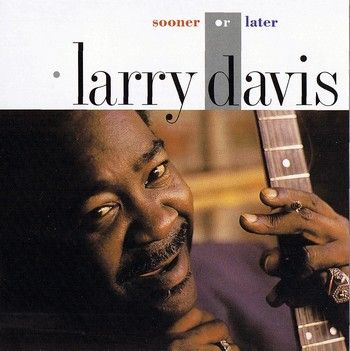
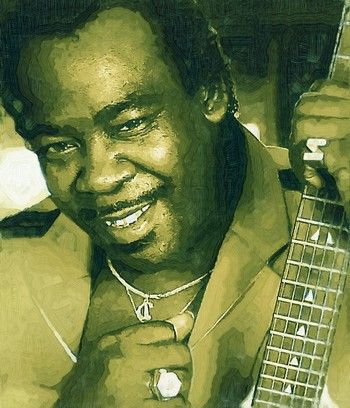
Larry Davis


Larry Davis - Sooner or Later - 1992 - Bullseye Blues

The late Larry Davis did not record many albums, during his lifetime, but his few releases were full of quality. His soulful voice, reminiscent of Bobby "Blue" Bland, and his Albert King flavoured guitar work brings out the best in tracks like "You'll Need Another Favor" or Larry's self penned "Goin' Out West". Larry Davis was a very underrated guitarist, and his best guitar work is arguably found on this album release. There is some terrific piano work from James Rudy, and the the trombone, trumpet, and sax work from the Memphis Horns, (Wayne Jackson, & Andrew Love) is wonderful. "Sooner or Later" is a great album, full of quality and class from this sadly missed bluesman. Buy Larry Davis' wonderful "I Ain't Beggin' Nobody" album, and try and find his rare "Ain't Beggin' Nobody" album

TRACKS / COMPOSERS

How Could You Do It to Me Milton Campbell
I'm Workin' on It David Dee
Penitentiary Blues Robert A. Johnson, Stan Mosley
You'll Need Another Favor Copyright Control
Help the Poor Charlie Singleton
Letter from My Darling McCoy Singleton
Goin' Out West, Pts. 1 & 2 Larry Davis
102nd Street Blues Larry Davis, Ron Levy
How Long Carl Burnett
Little Bluebird Isaac Hayes, Booker T. Jones, David Porter
Little Rock Larry Davis, Ron Levy

MUSICIANS

Larry Davis (Guitar), (Vocals)
Thomas Bingham (Guitar (Rhythm)
George Journigan (Bass)
James Rudy (Piano)
Ron Levy (Organ)
Curtis Steele (Drums)
Wayne Jackson (Trombone), (Trumpet) [The Memphis Horns]
Andrew Love (Sax (Tenor) [The Memphis Horns]

REVIEWS

Unless someone has the ultimate Larry Davis album still awaiting release somewhere, the late guitarist's final album also looks to be his best. Sumptuously produced by organist/Bullseye Blues boss Ron Levy with the Memphis Horns providing punchy interjections, Davis roars a finely conceived concoction of covers and his own material ("Goin' Out West," "Little Rock") that represent contemporary blues at its finest. © Bill Dahl, All Music Guide

Best known as the author of Stevie Ray Vaughan's hit " Texas Flood." Until his untimely passing in 1994, Larry Davis was widely recognized as a blues treasure, and this is one of his all-time best records. The late Arkansas native had been a widely-respected cult favorite in blues circles since his first records for Houston's Duke label years ago. In the late '60s, he began to develop a distinctive lead guitar style; he also played bass, touring in Albert King's band. In 1982, he won four prestigious W.C. Handy awards, including Artist of the Year. "Sooner or Later" was recorded in Memphis, and includes backing from the Memphis Horns. © Bill Dahl, All Music Guide

Larry Davis, whose "Texas Flood" was covered by Stevie Ray Vaughan, pledged truth to the blues as far back as the early 1950s, and it has been a long, arduous haul to the belated recognition rightfully accorded him by this recent Memphis soul/blues session. His tenor voice is genuine, unclouded, resilient, carrying the meaning of the words of, for example, Little Milton's Stax Records~-era "How Could You Do It to Me?" and heartsore Howlin' Wolf's 1954 song "Baby, How Long?" The interplay between his conscientiously played guitar and the irrepressible swell created by his skilled Tennessee sidemen further lends the tradition-bound material a new lease of believability. -- © Frank John Hadley 1993, [From Grove Press Guide to Blues on CD] © amazon.com


SHORT BIO

Born: December 04, 1936, Kansas City, MO. Died: April 19, 1994, Los Angeles, CA. Anyone who associates "Texas Flood" only with Stevie Ray Vaughan has never auditioned Larry Davis' version. Davis debuted on vinyl in 1958 with the song, his superlative Duke Records original remaining definitive to this day despite Vaughan's impassioned revival many years down the road. Davis grew up in Little Rock, AR, giving up the drums to play bass. Forging an intermittent partnership with guitarist Fenton Robinson during the mid-'50s, the pair signed with Don Robey's Duke label on the recommendation of Bobby Bland. Three Davis 45s resulted, including "Texas Flood" and "Angels in Houston," before Robey cut Davis loose. From there, Davis was forced to make the most of limited opportunities in the studio. He lived in St. Louis for a spell and took up the guitar under Albert King's tutelage while playing bass in King's band. A handful of singles for Virgo and Kent and a serious 1972 motorcycle accident that temporarily paralyzed Davis' left side preceded an impressive 1982 album for Rooster Blues, Funny Stuff, produced by Gateway City mainstay Oliver Sain. But follow-up options remained hard to come by: few blues fans could find a copy of the guitarist's 1987 Pulsar LP I Ain't Beggin' Nobody. Finally, in 1992, Ron Levy's Bulleye Blues logo issued a first-class Davis set, Sooner or Later, that skillfully showcased his rich, booming vocals and concise, Albert King-influenced guitar. Unfortunately, it came later rather than sooner: Davis died of cancer in the spring of 1994. © Bill Dahl, All Music Guide

Noel Redding & Friends


Noel Redding & Friends - Live from Bunk R - Prague - 2003 - Track (Navarre)

An excellent musician, the late, great Noel Redding was a brilliant bass player, and an important but sometimes overlooked figure in the history of rock and bues rock music. He will most likely be remembered as Jimi Hendrix's bassist, and his playing was an integral part of Jimi's sound. Noel was also an excellent guitarist, and when he was in London, in the early 60's auditioning for The New Animals, his life took one big turn around when he found himself playing for a then unknown guitarist called Jimi Henrix. Jimi Hendrix was known to greatly appreciate the ease at which Noel Redding adapted to various rock styles. With Jimi and his band, Noel played in the band's first official public concert in Evreux, France, in October, 1966. While with the band Noel also supplied backing vocals on a number of songs. However with Jimi , Noel often found himself "taking a back seat" in the band. Jimi was known to spend a lot of studio time improving his own guitar recordings, and during this time, Noel became disenchanted with Jimi. He was also unhappy with the way the band's finances were being managed. Noel founded his "Fat Mattress" band, while still with Jimi, but became very disheartened when Jimi started making plans to enlarge the band, without discussing any of the details with Noel. Eventually, in mid 1969, all this disillusionment forced Noel Redding to quit. He played guitar with Fat Mattress on two albums, but left in 1970 before the band's second album was completed. In 1972, Noel resumed his bass playing with the group Road, recording the band's s/t album on the US Rare Earth label. Also, in 1972 he played with Randy California on the album "Kapt Kopter And The Fabulous Twirly Birds", an album very much in the Jimi Hendrix style. Randy was a friend of Jimi Hendrix. Noel moved to Ireland in the early/mid seventies, and under the name of The Noel Redding Band, which included Thin Lizzy's guitarist, Eric Bell, they released two albums between 1975, and 1976. Noel published a book in 1990 called "Are You Experienced: The Inside Story Of The Jimi Hendrix Experience" which documents brilliantly his time with the great guitarist. Noel remained a friend of Hendrix, right up to Jimi's tragic death. When a commemoration plaque was erected at Jimi Hendrix's old living accomodation in Montague Square, in London, Noel was there to pay his very emotional respects. In the late nineties, Noel toured with More Experience, a Jimi Hendrix tribute band, and also played many other global Hendrix tribute concerts. The Jimi Hendrix Experience is a legend in the history of rock music, and Noel Redding will forever be part of that legend. Here's an "interesting" review from AMG, - [" It's the final indignity of Noel Redding's life that even the posthumous cashin records bearing his name have no interest in Redding's career after his brief stint in the Jimi Hendrix Experience. There are no Fat Mattress songs on Live From Bunk R Prague, just a handful of heavyrock covers John Lennon's "Cold Turkey," Mountain's "Silver Paper" and those perennials "Hey Joe" and "Wild Thing" along with half a dozen of the most familiar Hendrix tunes. Redding's semiheavy friends include former Patti Smith guitarist Ivan Kral and exScandal drummer Frankie La Rocka, and together, they turn in entirely competent but thoroughly bloodless knockoffs of Redding's former employer's style. It's frankly all kind of embarrassing, and recommended only to vampires. © Stewart Mason, All Music Guide"]. Just a few words on that review: - All record labels cash in on artists, especially prominent deceased artists. The album is not insulting to Noel Redding's memory. It is better to hear a few Hendrix penned tracks of good quality, than lesser quality tracks extracted from inferior Noel Redding projects. Also, the covers of Lennon's "Cold Turkey", Mountain's "Silver Paper", ard Earl King 's "Come On" are good track inclusions, and may not be familiar to many rock music fans. To say that the band "turn in entirely competent but thoroughly bloodless knockoffs of Redding's former employer's style" is definitely questionable. Yes, the performances are competent, but not "bloodless". Noel Redding and his band perform the Jimi Hendrix associated tracks with flair, and an obvious enjoyment of what they are playing. And lastly, if music like this is "embarrassing", and "recommended only to vampires", then A.O.O.F.C would advise all you red-faced "Nosferatus" to go out and buy the album. Not to give your hard earned money to record companies, but to listen to one of rocks' great heroes at work. Listen to Noel's bass work on the The Jimi Hendrix Experience album, "Are You Experienced". It is also worth listening to The Noel Redding Band's "Clonakilty Cowboys" album.

TRACKS / COMPOSERS

1 Voodoo Child Hendrix 7:06
2 Stone Free Hendrix 3:24
3 Silver Paper Corky Laing/Felix Pappalardi/Leslie West 3:35
4 Cold Turkey Lennon 4:17
5 Come On Earl King 4:07
6 Purple Haze Hendrix 3:44
7 Llittle Wing Hendrix 5:18
8 Red House Hendrix 4:50
9 Little Miss Lover Hendrix 2:59
10 Wild Thing Chip Taylor 4:59
11 Hey Joe Billy Roberts 7:04

BAND

Noel Redding - Bass
Anthony Krizan, Ivan Kroll - Guitar
Frankie La Rocka - Drums

BIO

Noel Redding was a member of the Jimi Hendrix Experience from its formation in 1966 until he left in 1969. He was hired in as a bass player, reportedly due in some part to his look (a huge afro and his trademark granny glasses), despite his real desire to continue as a guitarist. In addition to his work in the Experience, Redding formed and played guitar in Fat Mattress, who released two albums in the late '60s and early '70s, and was involved in Road and the Noel Redding Band. In the mid-'70s, the Noel Redding Band did two albums for RCA, three tours of Holland, two tours of England, one tour of Ireland, and a ten week tour in America. Residing in County Cork, Ireland, in a house purchased from his Experience earnings, however, he claimed to no longer receive payment for his time with the band. "I was forced to sign away my royalties in 1974," he said, "I even had to sell the bass I used during that time, for 16,000." Redding has since written a book which has been compiled over the years from his diaries and legal files, entitled "Are You Experienced?'' It was published in 1996 by a small London firm called Fourth Estate Books, and includes some previously unpublished photographs. In May of 2003 Redding was found dead in his home, he was 57. © Zac Johnson, All Music Guide


BIO (WIKIPEDIA)

David "Noel" Redding (25 December 1945 – 11 May 2003) was an English rock and roll guitarist best known as the bassist for The Jimi Hendrix Experience. Born in Folkestone, England, he was selected by Chas Chandler to join Hendrix's band at its inception in 1966, and left in 1969. Although he appeared in other bands before and after Hendrix's death, he never achieved a similar level of success, and retired to Clonakilty, Ireland in 1972. At nine, Redding played violin at school and then mandolin and guitar. His first public appearances were at the Hythe Youth Club then at Harvey Grammar School where he was a student. His first local bands were: The Strangers: with John "Andy" Andrews (bass). The Lonely Ones: 1961 - John Andrews (bass) Bob Hiscocks (rhythm guitar); Mick Wibley (drums); Pete Kircher (vocals and in '62. drums). The Lonely Ones made (45 EP vinyl, private record) at the Hayton Manor Studio in Stanford, Kent, in 1963, with Derek Knight on vocals, Trevor Sutton on drums, Noel Redding on lead guitar and John Andrews on bass. First recordings: Some Other Guy; Money; Talking About You; Anna. The Loving Kind: 1966 with Pete (Kircher) Carter (drums); Jim Leverton (bass); and Derek Knight (vocals). At 17 Redding went professional and toured in Scotland and Germany, in the clubs with Neil Landon and the Burnettes formed in late 1962 and The Loving Kind formed in November 1965. Redding was the first person to join the Jimi Hendrix Experience, and the first to leave. His final concert with them was in June 1969. With the band, he participated in recording the 3 landmark albums "Are You Experienced", "Axis: Bold as Love", and "Electric Ladyland", as well as performing in some of Hendrix's most celebrated concerts. His playing style was distinguished by the use of a pick, a mid-range "trebly" sound, and in later years the use of fuzz and distortion effects through overdriven Sunn amps. In 1968, before leaving the Jimi Hendrix Experience Redding had formed the group Fat Mattress with another Kent musician Neil Landon (the former Burnettes-singer) (born Patrick Cahill, 27 July 1941, Kindford, Sussex) on vocals, Jim Leverton (born James Leverton, in 1946, in Dover, Kent) and Eric Dillon, the drummer, (born in 1950, in Swindon). Later, Martin Barre played for a short time before he joined Jethro Tull. The band produced two albums before breaking up shortly after the release of the second in 1970. One more effort by Hendrix manager, Michael Jeffery was attempted to reunite the Jimi Hendrix Experience months after the Woodstock event. This basically consisted of an interview with Hendrix, Redding and Mitchell by Rolling Stone magazine. No shows or recordings resulted. He soon left the Jimi Hendrix Experience for the last time and went on to other projects. While living in Los Angeles. Noel joined Road, a heavy metal three-piece, with Rod Richards (born Rod Cox (ex Rare Earth) on guitar, and Les Sampson on drums. They released one album, Road (1972). Noel moved to Ireland in 1972. He formed The Noel Redding Band with Eric Bell from Thin Lizzy, Dave Clarke, Les Sampson, and Robbie Walsh. They did two albums for RCA, three tours of the Netherlands, two tours of England, one tour of Ireland and a 10-week tour in America. The band dissolved after a dispute with their management company. Tracks recorded for a third, unreleased album were later released as The Missing Album, on Mouse Records. In his book Are You Experienced? (co-authored with Carol Appleby) he spoke openly about his disappointment in his being cut off from the profits of the continued sale of the Hendrix recordings. He was forced to sign away his royalties in 1974, and later had to sell the bass guitar he used during that time. Redding had received £100,000 as a one-off payment after he had been told that there would be no more releases of Jimi Hendrix Experience material but this had been before the advent of CDs and DVDs which sold millions of copies. Right up until his death, Redding had been planning legal action against the Hendrix estate for payment estimated at £3.26 million for his part in Hendrix' recording and for ongoing royalties. Redding was married to a Danish school-teacher Susanne Redding, and has a son, Nicolas Noel Redding (DJ NiS) (who inherited a settlement of 800,000 euro, which equals a minor part of the fortune). Noel Redding recorded and toured sporadically through the years, occasionally doing session work on other artists' albums including recording for Thin Lizzy and Traffic. He performed with the rock band Phish in 1993. He also formed Shut Up Frank with Dave Clarke, Mick Avory of The Kinks and Dave Rowberry of The Animals. They toured extensively and recorded several albums, which are still available on Mouse Records. Redding was found dead in his home in Clonakilty, County Cork, Republic of Ireland on May 11, 2003. A post mortem was carried out on 13 May at Cork University Hospital in Wilton, Cork. The report concluded that Redding died from "Shock haemorrhage due to oesophageal varices in reaction to cirrhosis of the liver." He was 57 years old. In the village of Ardfield, local people have erected a plaque to his memory. A compilation CD and record entitled The Experience Sessions was released by Experience Hendrix, LLC in 2004. Along with the released tracks ("She's So Fine" and "Little Miss Strange") the collection contains rare and unreleased Redding-penned songs recorded by The Jimi Hendrix Experience. Most of the tracks are outtakes from Axis: Bold As Love and Electric Ladyland, and feature Redding predominantly on guitar (with Hendrix on bass). It also features a live version of Hendrix's "Red House" with Redding on rhythm guitar.