A.O.O.F.C
recommends
Mizar6

babydancing


Get this crazy baby off my head!

Showing posts with label Seventies Soul. Show all posts

15.2.11

Boz Scaggs


Support Real Music

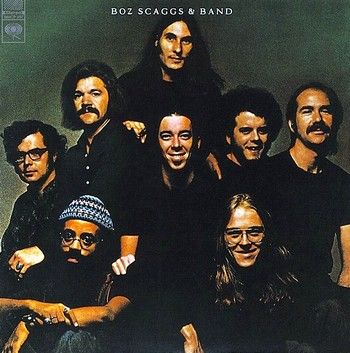
Boz Scaggs - Boz Scaggs & Band - 1971 - Columbia

After the burnished, mellow Moments, Boz Scaggs put some grit back into his music with this third album, Boz Scaggs & Band. Not that he got down and dirty - his blue-eyed soul and funk is still sleek and stylish, music for uptown parties, not downtown juke joints. But Scaggs gave his band equal billing on the title here because they carry equal weight on Boz Scaggs & Band. It's a true band album, showcasing the group's tight interplay as much as it does Scaggs' vocals. Sometimes, the band almost dominates the proceedings too much, as they do on "Runnin' Blue," where they're as splashy as a Vegas big band. Such excesses are balanced by the nimble "Up to You," this album's irresistible foray into country - something that was a regular Boz feature at this point - and the brief, breezy "Here to Stay," which helps keep things light and casual. But the best thing about Boz & Band is hearing that band play, particularly on "Flames of Love" and "Why Why," where they get down low, playing funky rock and soul that holds its own with Little Feat's Meters-inspired grooves. © Stephen Thomas Erlewine © 2011 Answers Corporation http://www.answers.com/topic/boz-scaggs-band-1971-album-by-boz-scaggs

Although most listeners know Boz Scaggs primarily for his 1976 disco-era, multi-million seller Silk Degrees, he produced several excellent recordings in the years leading up to that breakthrough. Boz Scaggs & Band is the middle release of a three-disc spurt which Scaggs produced in a two-year period, between 1971 and 1972. Although it is weaker than Moments and My Time which bookend it, this album still has much to offer. Sounding at times like the original average white band, and at other times like a bunch of Nashville cats, Boz and his eight-piece group traverse a wide terrain with great facility and much soul. "Here to Stay" is particularly appealing, hinting at things to come, and "Flames of Love" is an extended piece of smoking funk. "Monkey Time" and "Why Why" also turn up the funk. This album is well worth checking out. © Jim Newsom, All Music Guide

Boz Scaggs’ second album, and his only one for Atlantic, "Boz Scaggs", is a minor classic. His version of Fenton Robinson’s "Loan Me a Dime" on that disc features some blistering guitar work from Duane Allman, and for that reason alone it should be in everyone’s collection. Boz Scaggs & Band was his fourth release, and his second for Columbia Records. His first Columbia disc, Moments, mixed enjoyable MOR rock with blues, country, and jazz, and this follow-up is similar. But it’s a tighter record, and avoids the sappiness that sometimes creeps into Moments. "Here to Stay" and "Nothing Will Ever Take Your Place" are romantic, mid-tempo rock tunes that Frank Sinatra or Tony Bennett could have covered without embarrassment. The two standouts are "Running Blue" and "Why Why." The first is a big-band blues track with a horn chart Neil Hefti would have been happy to present to Count Basie. Scaggs is smooth and urbane, more Jimmy Witherspoon than Muddy Waters, and Doug Simril’s guitar solo avoids clichés. "Why Why" is also blues-based, with a simple structure that fills in as the song develops. A subtle horn arrangement supports Scaggs’ understated vocals, and blends beautifully with Jymm Joachim Young’s swirling Hammond organ. Doug Simril turns in another beautifully constructed solo. Whatever happened to this guy? I Googled his name and couldn’t come up with anything. He plays everything from blues to jazz to country with ease. Although it’s these two tunes that still cause me to pull Boz Scaggs & Band from the shelf, I end up listening to and enjoying every track. Even in the ’70s, Scaggs was unusual in not forcing an emotion when he sang. In 2003 he recorded an album of standards, and he sounds more natural singing such songs as "What’s New?" or "Sophisticated Lady" than anyone of his generation. Listen to Boz Scaggs & Band and you’ll hear why. © Joseph Taylor

Boz Scaggs & Band is a clean, natural blend of blues, R&B, rock and country styles with some spicy Latin touches–a pulling together of Scaggs' experience with the Steve Miller Band, Mother Earth and others, but without a hint of false or forced eclecticism. Like Mother Earth, he grasps both country music and rhythm and blues with assurance and ease. Avoiding for the most part those careful but uninspired imitations of, say, R&B form and style that are little more than many performers' clumsy dues-paying, Scaggs prefers to dig to the root feeling of the music and reinterpret it in his own way. Consequently, his best songs are not framed in any particular style, but they evoke the richness of all his influences–especially the very real emotional qualities of country and R&B–giving his music an unexpected depth. In the same way, Scaggs doesn't affect a gritty snarl or lilting twang in his singing (although he seems naturally closer to the latter). Instead, his voice, slightly raw and wispy around the edges, full of aching, appealing qualities, carries the song unpretentiously and effortlessly. With no sense of pushing for effect or hard-driving intensity in the singing, the songs move in on you gradually, at a relaxed pace, and the total hold they have on you in the end is all the more surprising. Everything here is fine, but it's side two that I keep coming back to. "Here to Stay," a beautifully liquid love song, begins like a spring morning with vibes, light guitar and a thin curl of electronic sound and opens into a delicate wash of music with just the right touch of Latin percussion. Boz sings, "Lovin' you makes more sense/Than keepin' up/Or payin' rent/Anytime." Scaggs' lyrics are loose, often elusive, not from any failed attempt to be "poetic," but rather, I think, because he lets the ideas drift and flow with the music. A few lines in the second cut, another love song titled "Nothing Will Ever Take Your Place," seem to deal with this: "Thoughts and daydreams fill the air/They fly around like birds/And I can sing you melodies/–Not just sound like words." He can. "Nothing Will Ever Take Your Place" has a delicacy similar to that of the opening cut, with some fantastic organ work (by Jymm Joachim Young, whose work throughout the album is outstanding) and an especially lovely organ and flute break. But with Boz Scaggs, the impression of delicacy doesn't mean the song dissolves into a soft center of mush; there's more real strength here than on most Heavy Blues albums. The use of horns here and elsewhere is particularly sensitive, avoiding the blaring, sharp edges that stick jaggedly out of so many other bands' work. Production on these two cuts, my favorites, is by Boz Scaggs; Glyn Johns handles the rest with equal precision and flair. "Why Why" at 5:32 is the longest cut and one of the more blues oriented, chugging along with fine bass, guitar and organ out front, underlining Boz's pleading question, "Why why why must a good love go bad?" Although the vocal cuts out almost half way through, the Band is so tight and so firmly into the song–not slipping off into irrelevant riffs but sticking within a breaking and re-forming pattern–that the attention doesn't drift for a second. The eight-man band, with Scaggs on guitar, is joined by Chepito Areas (timbales) and Mike Carrabello (congas), formerly with Santana, on the side one closer–the hot, Latin-flavored "Flames of Love." Otherwise, they carry the album alone and in fine style; I can't think of a rock band with brass that I've enjoyed as much. A final note: the opening cut, "Monkey Time," is not the Major Lance original but a crazy Boz Scaggs dream/dance song that's almost as much fun. Try it. You'll like it. © Vince Aletti / Rolling Stone (RS 99) / Jan 6, 1972

1971's Boz Scaggs & Band was truly a showcase effort. Featuring not only the legendary artist, the album also included his extraordinary hand-picked band of notable musicians, who had been his touring and studio band for a number of his earlier Columbia Records albums. Painstakingly recording the excitement and delivery of this multi-faceted leader and band, Boz Scaggs once again collaborated with producer Glyn Johns. They put together nine incredible tracks which netted the artist another chart album and further acclaim from the music critics and fans. Not sticking with one type of sound or genre, this rock and jazz fused album was truly a definitive look into the soul and artistry of this legendary musician. Monkey Time kicks the album into full gear as this R&B fused old style rocker displays the interplay between the horns, the rhythm section and the voice and guitar of Boz Scaggs. This particular track was also featured on the highly successful The Music People 3 LP set on Columbia back in 1972, gaining a lot of new Boz Scaggs' fans. The single Runnin' Blue is still a staple in his concert repertoire and is one of his classic throw down blues numbers that made this the classic that it is today. His love of Texas blues and the music of folks like T-Bone Walker and B. B. King all get a nod of appreciation in this dynamic track. For a slight return to his Atlantic era, It's Up To You embraces the country blues feel and reprises some of those elements you might remember from his late sixties debut. Interestingly enough, he has most recently gone back to the roots and even plays bluegrass at various music festivals honoring the genre. For more of a San Franciscan flavor, Flames Of Love highlights the percussive expertise of Santana's Michael Carrabello and Jose Chepito Areas. This funk filled groover helps close out side one and made this one of the more memorable tracks of this album. Here To Stay is another definitive Boz Scaggs moment. This smooth R&B pop tune establishes his knack for crossing over into the adult pop mainstream while keeping his hip factor entrenched firmly in the blues. A precursor feel to his mega smash Lowdown, Here To Stay features a hook filled flute section, light percussion with solid ivories, and soul drenched vocals. More soul follows, as Nothing Will Take Your Place mirrors some of the vibe from his Moments album, while the classic FM radio burner Why Why co-penned with the late Tim Davis returns us right back to a danceable funk groove. All in all, nine tremendous chapters of the ever cool Boz Scaggs © http://www.fridaymusic.com/releases/scaggs.html © 2008 Warner Bros. Records, Inc

This issue is from vinyl, and there a few "snaps, crackles, and pops", but sound quality is fair to good. If you can find a better issue, please buy it. It's a great album and HR by A.O.O.F.C. Check this blog for more Boz releases

TRACKS / COMPOSERS

1. Monkey Time - Scaggs, C. Arrowsmith
2. Runnin' Blue - Scaggs, Patrick O'Hara
3. Up to You - Scaggs, C. Arrowsmith
4. Love Anyway - Boz Scaggs
5. Flames of Love - Scaggs, C. Arrowsmith
6. Here to Stay - Boz Scaggs
7. Nothing Will Take Your Place - Boz Scaggs
8. Why Why - Boz Scaggs, T. Davis RIP
9. You're So Good - Boz Scaggs

MUSICIANS

Boz Scaggs - guitar, vocals
Doug Simril - guitar, piano
David Brown - bass
Joachim Jymm Young - organ, piano, keyboards, vibraphone
George Rains - drums, percussion
Eddie Lee Charlton - drums
Mike Carabello - percussion, conga, timbales on "Flames of Love"
Chepito Areas - conga, timbales on "Flames of Love"
Mel Martin - tenor alto & baritone saxophones, flute
Pat O'Hara - trombone
Tom Poole - trumpet, flugelhorn
Rita Coolidge, Dorothy Morrison - background vocals on "Flames of Love"
Lee Charleton - saw, harp on "Here to Stay"

9.2.11

Boz Scaggs


Support Real Music

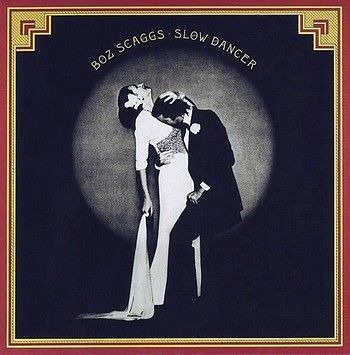
Boz Scaggs - Slow Dancer - 1974 - Columbia

Featuring his would-be-soulman sound, Slow Dancer finds Boz Scaggs straddling the apparently fine line between Van Morrison and Isaac Hayes. While Silk Degrees is often touted as Scaggs' best '70s album -- based largely upon the chart success of "Lowdown" -- Slow Dancer features just as many catchy melodic tunes that meld a kind of boogie pub rock with an organic urban soul. Produced by Motown regular Johnny Bristol, Scaggs delivers some of his best performances on the Bristol-penned track "Pain of Love" and the Neil Young meets Marvin Gaye ballad "Sail on White Moon." © Matt Collar © 2011 Rovi Corporation. All Rights Reserved http://www.allmusic.com/album/slow-dancer-r17465

One of Boz Scaggs' best earlier albums and HR by A.O.O.F.C. Try and forget about "Silk Degrees" and give this a listen. Boz's "Silk Degrees" is usually the standard by which all his other albums are judged. This is a common dilemma for many great artists. However, he has released other albums which have not been as successful as "Silk Degrees" but really should be heard by more people. Buy Boz Scaggs' great "Fade Into Light" album, and check this blog for more related releases. Boz's brilliant "Greatest Hits Live" album is @ BOZSC/GHLIV

TRACKS / COMPOSERS

A1 You Make It So Hard (To Say No) - Boz Scaggs
A2 Slow Dancer - Boz Scaggs, George Daly
A3 Angel Lady (Come Just In Time) - Johnny Bristol, Jim McDonough
A4 There Is Someone Else - Boz Scaggs
A5 Hercules - Allen Toussaint

B1 Pain Of Love - Johnny Bristol
B2 Sail On White Moon - Johnny Bristol
B3 Let It Happen - Boz Scaggs, Johnny Bristol
B4 I Got Your Number - Johnny Bristol, Eddie Reeves
B5 Take It For Granted - Boz Scaggs, Barry Beckett

MUSICIANS

Lead Vocals, Guitar - Boz Scaggs
Guitar - Jay Graydon, David Cohen, David T. Walker, Dennis Coffee, Greg Poree, Wah Wah Watson, Orville "Red" Rhodes
Bass - James Jamerson, James Hughart
Keyboards - Clarence McDonald, Jerry Peters, Joe Sample, Michael Melvoin, Russell Turner
Drums - Ed Greene, James Gadson
Percussion [Various], Vibraphone [Vibes] - Gene Estes, John Arnold
Congas [Conga] - Joe Clayton, King Errison
Saxophone - Ernie Watts, Fred Jackson, John Kelson
Trombone - George Bohannon, Lon Norman
Trumpet, Flugelhorn - Chuck Findley, Jack Laubach, Paul Hubinon, Warren Roche
Backing Vocals - Carolyn Willis, Julia Tillman, Lorna Willard, Myrna Matthews, Pat Henderson
Strings Arranged & Conducted by By - H.B. Barnum

BIO

After first finding acclaim as a member of the Steve Miller Band, singer/songwriter Boz Scaggs went on to enjoy considerable solo success in the 1970s. Born William Royce Scaggs in Ohio on June 8, 1944, he was raised in Oklahoma and Texas, and while attending prep school in Dallas met guitarist Steve Miller. Scaggs joined Miller's group the Marksmen as a vocalist in 1959, and the pair later attended the University of Wisconsin together, where they played in blues bands like the Ardells and the Fabulous Knight Trains. Scaggs returned to Dallas alone in 1963, fronting an R&B unit dubbed the Wigs; after relocating to England, the group promptly disbanded, and two of its members -- John Andrews and Bob Arthur -- soon formed Mother Earth. Scaggs remained in Europe, singing on street corners. He also recorded a failed solo LP in Sweden, 1965's Boz, before returning to the U.S. two years later. Upon settling in San Francisco, he reunited with Miller, joining the fledgling Steve Miller Band; after recording two acclaimed albums with the group, Children of the Future and Sailor, Scaggs exited in 1968 to mount a solo career. With the aid of Rolling Stone magazine publisher Jann Wenner, Scaggs next secured a contract with Atlantic. Sporting a cameo from Duane Allman, 1968's soulful Boz Scaggs failed to find an audience despite winning critical favor, and the track "Loan Me a Dime" later became the subject of a court battle when bluesman Fenton Robinson sued (successfully) for composer credit. After signing to Columbia, Scaggs teamed with producer Glyn Johns to record 1971's Moments, a skillful blend of rock and R&B which, like its predecessor, failed to make much of an impression on the charts. Scaggs remained a critics' darling over the course of LPs like 1972's My Time and 1974's Slow Dancer, but he did not achieve a commercial breakthrough until 1976's Silk Degrees, which reached number two on the album charts while spawning the Top Three single "Lowdown," as well as the smash "Lido Shuffle." 1977's Down Two Then Left was also a success, and 1980's Middle Man reached the Top Ten on the strength of the singles "Breakdown Dead Ahead" and "Jo Jo." However, Scaggs spent much of the 1980s in retirement, owning and operating the San Francisco nightclub Slim's and limiting his performances primarily to the club's annual black-tie New Year's Eve concerts. Finally, he resurfaced in 1988 with the album Other Roads, followed three years later by a tour with Donald Fagen's Rock and Soul Revue. The solo effort Some Change appeared in 1994, with Come on Home and My Time: The Anthology (1969-1997) both released in 1997. The newly energized Scaggs spent the next few years consistantly releasing new material, including Here's the Low Down, Fade into Light, Dig, and a collection of standards called But Beautiful. An expanded reissue of Silk Degrees and Runnin' Blue (a recording of a 1974 performance) appeared in 2007, and Speak Low saw him reinterpreting a number of jazz standards in 2008. © Jason Ankeny © 2011 Rovi Corporation http://www.allmusic.com/artist/boz-scaggs-p5359/biography

BIO (Wikipedia)

Boz Scaggs (born William Royce Scaggs, 8 June 1944, Canton, Ohio) is an American singer, songwriter and guitarist. He gained fame in the 1970s with several Top 20 Hits in the United States along with the #2 album Silk Degrees. Scaggs continued to release and record in the 1980s and 1990s, and still tours into the 2000s. Scaggs was born William Royce Scaggs in Canton, Ohio, the son of a traveling salesman. The family moved to Oklahoma, then to Plano, at that time a Texas farm town just north of Dallas. He attended a Dallas private school, St. Mark's, where a schoolmate gave him the nickname "Bosley". Soon, he was just plain Boz. After learning guitar at the age of 12, he met Steve Miller at St. Mark's. In 1959, he became the vocalist for Miller's band, The Marksmen. The pair later attended the University of Wisconsin-Madison together, playing in blues bands like The Ardells and The Fabulous Knight Trains. Leaving school, Scaggs briefly joined the burgeoning rhythm and blues scene in London. After singing in bands such as The Wigs and Mother Earth, he traveled to Sweden as a solo performer, and in 1965 recorded his solo debut album, Boz, which was not a commercial success. Scaggs also had a brief stint with the band The Other Side with fellow American Jack Downing and Brit Mac MacLeod. Returning to the U.S., Scaggs promptly headed for the booming psychedelic music center of San Francisco in 1967. Linking up with Steve Miller again, he appeared on the Steve Miller Band's first two albums, Children of the Future and Sailor, which received good reviews from music critics. After being spotted by Rolling Stone publisher Jann Wenner, Scaggs secured a solo contract with Atlantic Records in 1968. Despite good reviews, his sole Atlantic album, featuring the Muscle Shoals Rhythm Section and slide guitarist Duane Allman, achieved lukewarm sales, as did follow-up albums on Columbia Records. (His Atlantic album was deleted and replaced with the exact same cover and tracks, but it was given a new catalog number and it was completely remixed in Los Angeles in 1977. This new remix brought Duane Allman's guitar up to the front, but it greatly altered the original feeling. On the track "Finding Her", the volume fades down real low for the last minute, an obvious mixing error by engineer Craymore Stevens. The original has never been available on CD.) In 1976, he linked up with session musicians who would later form Toto and recorded his smash album Silk Degrees. The album reached number 2 on the U.S. charts and number 1 in a number of countries across the world, spawning three hit singles: "Lowdown", "Lido Shuffle", and "What Can I Say", as well as the MOR standard "We're All Alone", later covered by Rita Coolidge and Frankie Valli. A sellout world tour followed, but his follow-up album, the 1977 Down Two Then Left, did not fare as well commercially as Silk Degrees. The 1980 album Middle Man spawned two top 20 hits, "Breakdown Dead Ahead" and "Jojo," and Scaggs enjoyed two more hits in 1980-81 ("Look What You've Done to Me" from the Urban Cowboy soundtrack, and "Miss Sun" from a greatest hits set, both U.S. #14 hits). But Scaggs' lengthy hiatus from the music industry (his next LP, Other Roads, wouldn't appear until 1988) slowed his chart career down dramatically. "Heart of Mine" in 1988, from Other Roads, was Scaggs' final top 40 hit but was a major adult contemporary success. Scaggs continued to record and tour sporadically throughout the 1980s and 1990s, and for a time was semi-retired from the music industry. He opened the San Francisco nightclub, Slim's, in 1988, and remains a co-owner as of 2008. After Other Roads, Scaggs took another hiatus and then came back with Some Change in 1994. He released Come On Home, an album of blues, and My Time, an anthology in the late 1990s. He garnered good reviews with Dig although the CD, which was released on September 11, 2001, was lost in the post-9/11 melée. In May 2003, Scaggs released But Beautiful, a collection of jazz standards that debuted at number 1 on the jazz charts. He tours each summer, has a loyal cadre of fans, remains hugely popular in Japan, and released a DVD and a live CD in 2004. Other releases followed. In 2008, Scaggs began an expanded tour, and is scheduled to appear across the country from spring through fall. Scaggs and his wife grow grapes in California's Napa County and have produced their own wine.

27.9.09

Hall & Oates


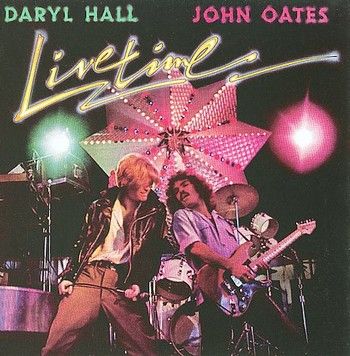
Hall & Oates - Livetime - 1978 - RCA

Recorded in Hershey, near Pottstown, Pennsylvania, where Hall had lived as a teenager. Daryl is notorious for asking the crowd during the recording , "Why didn't you like me as a teenager?" The album has received much criticism, mostly reviews saying that the live performances don't live up to the polished studio versions. Do they ever? This is a great concert from two of the masters of "blue eyed soul". The tracks include "Rich Girl", "Sara Smile", and "Abandoned Luncheonette". Check out the duo's " X-Static" album on this blog

TRACKS / COMPOSERS

1 rich girl - hall
2 the emptyness - oates
3 do what you want, be what you are - hall & oates
4 i’m just a kid (don’t make me feel like a man) - oates
5 sara smile - hall & oates
6 abandoned luncheonette - hall
7 room to breathe - sara allen/hall & oates

MUSICIANS

Hall & Oates (vocals, keyboards)
Caleb Quaye (guitar)
Kenny Passarelli (bass instrument)
David Kent (keyboards, background vocals)
Roger Pope (drums)
Charlie DeChant (saxophone, keyboards, percussion, background vocals)

ABOUT HALL & OATES

From their first hit in 1974 through their heyday in the '80s, Daryl Hall and John Oates' smooth, catchy take on Philly soul brought them enormous commercial success — including six number one singles and six platinum albums — yet little critical success. Hall & Oates' music was remarkably well constructed and produced; at their best, their songs were filled with strong hooks and melodies that adhered to soul traditions without being a slave to them by incorporating elements of new wave and hard rock. Daryl Hall began performing professionally while he was a student at Temple University. In 1966, he recorded a single with Kenny Gamble and the Romeos; the group featured Gamble, Leon Huff, and Thom Bell, who would all become the architects of Philly soul. During this time, Hall frequently appeared on sessions for Gamble and Huff. In 1967, Hall met John Oates, a fellow Temple University student. Oates was leading his own soul band at the time. The two students realized they had similar tastes and began performing together in an array of R&B and doo wop groups. By 1968, the duo had parted ways, as Oates transferred schools and Hall formed the soft rock band Gulliver; the group released one album on Elektra in the late '60s before disbanding. After Gulliver's breakup, Hall concentrated on session work again, appearing as a backup vocalist for the Stylistics, the Delfonics, and the Intruders, among others. Oates returned to Philadelphia in 1969, and he and Hall began writing folk-oriented songs and performing together. Eventually they came to the attention of Tommy Mottola, who quickly became their manager, securing the duo a contract with Atlantic Records. On their first records — Whole Oates (1972), Abandoned Luncheonette (1973), War Babies (1974) — the duo were establishing their sound, working with producers like Arif Mardin and Todd Rundgren and removing much of their folk influences. At the beginning of 1974, the duo relocated from Philadelphia to New York. During this period, they only managed one hit — the number 60 "She's Gone" in the spring of 1974. After they moved to RCA in 1975, the duo landed on its successful mixture of soul, pop, and rock, scoring a Top Ten single with "Sara Smile." The success of "Sara Smile" prompted the re-release of "She's Gone," which rocketed into the Top Ten as well. Released in the summer of 1976, Bigger than the Both of Us was only moderately successful upon its release. The record took off in early 1977, when "Rich Girl" became the duo's first number one single. Although they had several minor hits between 1977 and 1980, the albums Hall & Oates released at the end of the decade were not as successful as their mid-'70s records. Nevertheless, they were more adventurous, incorporating more rock elements into their blue-eyed soul. The combination would finally pay off in late 1980, when the duo released the self-produced Voices, the album that marked the beginning of Hall & Oates' greatest commercial and artistic success. The first single from Voices, a cover of the Righteous Brothers' "You've Lost That Lovin' Feeling," reached number 12, yet it was the second single, "Kiss on My List" that confirmed their commercial potential by becoming the duo's second number one single; its follow-up, "You Make My Dreams" hit number five. They quickly released Private Eyes in the summer of 1981; the record featured two number one hits, "Private Eyes" and "I Can't Go for That (No Can Do)," as well as the Top Ten hit "Did It in a Minute." "I Can't Go for That (No Can Do)" also spent a week at the top of the R&B charts — a rare accomplishment for a White act. H20 followed in 1982 and it proved more successful than their two previous albums, selling over two million copies and launching their biggest hit single, "Maneater," as well as the Top Ten hits "One on One" and "Family Man." The following year, the duo released a greatest-hits compilation, Rock 'N Soul, Pt. 1, that featured two new Top Ten hits — the number two "Say It Isn't So" and "Adult Education." In April of 1984, the Recording Industry Association of America announced that Hall & Oates had surpassed the Everly Brothers as the most successful duo in rock history, earning a total of 19 gold and platinum awards. Released in October of 1984, Big Bam Boom expanded their number of gold and platinum awards, selling over two million copies and launching four Top 40 singles, including the number one "Out of Touch." Following their contract-fulfilling gold album Live at the Apollo with David Ruffin & Eddie Kendrick, Hall & Oates went on hiatus. After the lukewarm reception for Daryl Hall's 1986 solo album, Three Hearts in the Happy Ending Machine, the duo regrouped to release 1988's Ooh Yeah!, their first record for Arista. The first single, "Everything Your Heart Desires," went to number three and helped propel the album to platinum status. However, none of the album's other singles broke the Top 20, indicating that the era of chart dominance had ended. Change of Season, released in 1990, confirmed that fact. Although the record went gold, it only featured one Top 40 hit — the number 11 single, "So Close." The duo mounted a comeback in 1997 with Marigold Sky, but it was only partially successful; far better was 2003's Do It for Love and the following year soul covers record Our Kind of Soul. © Stephen Thomas Erlewine, allmusic.com

BIO (Wikipedia)

Hall & Oates is a popular music duo made up of Daryl Hall & John Oates. The act achieved its greatest fame in the late 1970s and early-to-mid 1980s. They specialized in a fusion of rock and roll and rhythm and blues styles which they dubbed "Rock and Soul". They are best known for their six #1 hits on the Billboard Hot 100: "Rich Girl", "Kiss on My List", "Private Eyes", "I Can't Go for That (No Can Do)", "Maneater", and "Out of Touch", as well as many other songs which charted in the Top 40. They last reached the pop top forty in 1990 and then slowly faded from public view, though they did not formally break up. They have continued to record and tour with some success. In total, the act had thirty-four singles chart on the US Billboard Hot 100. As of 2006, Hall and Oates have seven RIAA platinum albums along with six RIAA gold albums. A greatest hits compilation was released in 2001 from Bertelsmann Music Group. The BMG collection was expanded in 2004 and reissued the following year, after BMG merged with Sony. In 2003, Daryl Hall and John Oates were voted into the Songwriter's Hall of Fame. Forty years after they first met in Philadelphia -- and twenty years after they became the single most successful duo of all time -- Daryl Hall & John Oates continue to record and perform together their distinctive and enduring blend of soulful sounds. Starting out as two devoted disciples of earlier soul greats, Hall & Oates are soul survivors in their own right. They have become such musical influences on some of today’s popular artists that the September 2006 cover of Spin Magazine’s headline read: “Why Hall & Oates are the New Velvet Underground”. Their artistic fan base includes Rob Thomas, John Mayer, Brandon Flowers of the Killers, Ben Gibbard of Death Cab for Cutie and MTV’s newest hipsters Gym Class Heroes who dubbed their tour “Daryl Hall for President Tour 2007”. Daryl Hall & John Oates first met back at Philadedelphia's Adelphi Ballroom in 1967. Both were attending Temple University, but they first discovered their shared passion for soul music during a show at which both of their groups -- The Temptones and The Masters, respectively -- were on a record hop bill with a number of then nationally known soul acts like the 5 Stairsteps and Howard Tate. When a gang fight broke out inside the Ballroom, the pair met each other in a service elevator while trying to get out. Hall had already become a fixture in the Philly soul scene, recording a single with Kenny Gamble and the Romeos featuring future Gamble, Leon Huff and Thom Bell. Hall – now considered one of the great soul singers of his generation -- became a protégé of the Temptations at the young age of 17. Oates too had performed with a number of R&B and doo-wop groups on the Philadelphia scene, and recorded a single with famed Philly soul arranger Bobby Martin. In the early 1970’s Hall & Oates began performing as a duo, and a year later -- with the help of manager Tommy Mottola -- they signed to the legendary soul label Atlantic Records. The group’s major label debut Whole Oats -- produced by legendary producer Arif Mardin who had already worked with The Rascals and Dusty Springfield -- combined the group’s soul and folk influences, but failed to make a significant commercial impact. That breakthrough would come with the duo’s following effort, 1973’s Abandoned Luncheonette, still considered one of the group’s finest albums by many of their admirers. Abandoned Luncheonette’s acoustic soul sound was groundbreaking and widely acclaimed, and the album’s stunning standout track “She’s Gone” would become a #1 R&B smash on the Billboard Magazine charts for Tavares in 1974, and eventually become a pop hit for Hall & Oates when it was re-released in 1976. Hall & Oates took a rather dramatic turn with their third album, 1974’s War Babies, a rockier and more experimental song cycle recorded with producer Todd Rundgren. Leaving Atlantic, Hall & Oates signed with RCA Records and in 1975 released the Daryl Hall and John Oates (also unofficially known to fans as The Silver Album) which yielded the duo’s first critical and commercial smash “Sara Smile” .The group’s 1976 follow- up Bigger Than Both Of Us yielded the infectious “Rich Girl,” the group’s first #1 on the Pop Singles chart, and a track that once again artfully combining their rock and soul influences into a cohesive whole. The group continued to experiment and expand their rock n’ soul sound with ambitious albums like 1978’s Along The Red Ledge (with David Foster as producer) and 1979’s X-Static. During that same period, Hall recorded and released on RCA his critically acclaimed first solo album Sacred Songs with experimental guitar innovator Robert Fripp. In 1980, Hall & Oates’ released the Voices album which would prove a true watershed moment in their illustrious career. Producing themselves for the first time, Hall & Oates created the template for a brightly infectious but still soulful sound that would help them become one of the dominant group’s of the Eighties. Voices included the group’s second #1 on the Pop Singles chart, “Kiss On My List,” as well as significant hits in “You Make My Dreams” and a cover of the Righteous Brothers’ “You’ve Lost That Lovin’ Feeling.” In addition, “Everytime You Go Away” from the Voices album became a #1 hit in America and around the world when later covered by British soul singer Paul Young in 1985. 1981’s Private Eyes album featured two more #1 hits, the title track and “I Can’t Go For That (No Can Do) ”and the Top Ten “Did It In A Minute.” This remarkable run continued with 1982’s H2O and more smashes in the form of "Maneater," “Family Man” and “One On One.” Two more hits -- “Say It Isn’t So” and “Adult Education” -- were included on the smash anthology Rock ‘n Soul, Pt. 1 that was released in 1983. Big Bam Boom continued the duo’s momentum with the help of another #1 hit, “Out Of Touch.” Having achieved so much together -- including appearing on the “We Are the World” recording session, at Live Aid and performing and recording at the Apollo Theater along with former Temptations David Ruffin and Eddie Kendrick -- Hall & Oates took a hiatus to focus on individual efforts in the mid-Eighties. Hall recorded and released his second solo effort, Three Hearts in the Happy Ending Machine, produced by his now long time friend, Dave Stewart of the Eurythmics. The album would produce another hit for Hall in “Dreamtime”. The pair would then reunited to record their final 2 albums for Arista Ooh Yeah and Change of Season. In the past decade, Hall & Oates have toured consistently and with considerable success around the world, and have continued to record both together and separately with impressive results including Hall’s third solo album, Soul Alone. Sensing the change in the business, they abandoned the major labels and released independently Hall’s fourth solo album, Can’t Stop Dreaming and the duo’s 1997’s Marigold Sky –– with both receiving considerable acclaim. Forming their own label, U-Watch Records, 2003’s Do It For Love rightly marked a major return to form with the album being embraced as the group’s finest in many years. It also had considerable commercial success with the passionate title track reaching #1 on the Billboard Adult Contemporary Charts, while “Forever For You” also hit the Top Ten on the same chart. Most recently, Hall & Oates saluted their deep soul roots with 2004’s Our Kind Of Soul – an album that found them recording inventive re-workings of some of their favorite soul classics like the Spinners’ “I’ll Be Around” and the Four Tops’ “Standing in the Shadows of Love,” as well as three new originals with a decidedly classic soul feel, “Let Love Take Control,” and “Don’t Turn Your Back on Me”. 2004 also saw Hall & Oates’ body of work inducted together into the Songwriter’s Hall of Fame. In 2006, Hall & Oates released their first ever full Christmas album on U-Watch entitled Home For Christmas, a soulful seasonal effort highlighted by a cover of Robbie Robertson's “Christmas Must Be Tonight” and two moving originals-- “No Child Should Ever Cry At Christmas” written by John Oates and the albums title track written by Daryl Hall with Greg Bieck and longtime Hall & Oates player and collaborator T-Bone Wolk. The single “It Came Upon A Midnight Clear” became the #1 Holiday song of the 2006 season, The fortieth anniversary of their first meeting finds Daryl Hall & John Oates very much at the height of their powers making their own kind of soul, with a new generation of musicians recognizing not only their historic track record of success, but also their continuing influence and achievements.

3.8.09

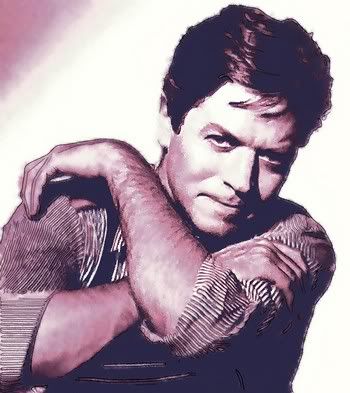
Robert Palmer


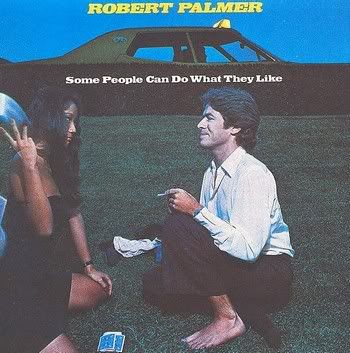
Robert Palmer - Some People Can Do What They Like - 1976 - Island

Out of print in the U.S.! From his solo debut in the mid '70s to his death three decades later, Robert Palmer was one of Rock's finest vocalists, with each performance filled with soul, power and emotion. His undying musical creativity ensured that each of his albums would retain his signature sound, yet would be a successful step in a different direction. He was truly a Rock chameleon, as this album proves. Originally released in 1976, Some People... features 10 tracks including 'One Last Look', 'Man Smart (Woman Smarter)' and 'Keep In Touch'. © 1996-2009, Amazon.com

"Some People Can Do What They Like" is one of the late Robert Palmer's most underrated albums. It is a great blue-eyed soul album with some great rock, reggae, and funk elements. Musicians include the great Little Feat members, Paul Barrere, and Bill Payne. Continuing the Little Feat connection, the late Lowell George's "Spanish Moon" is covered here, brilliantly. The late great drummer Jeff Porcaro is another player on this album, as is the brilliant bassist, Chuck Rainey. An overlooked album, as Robert Palmer is mainly remembered for his great eighties albums like "Pride", and "Heavy Nova". Listen to Robert Palmer's "Woke Up Laughing", and "Riptide" albums, and check out some of his earlier work like Vinegar Joe's "Six Star Gypsies" album @ VINJO/6SGYP on which he played with Elkie Brooks, and Keef Hartley.

TRACKS / COMPOSERS

1."One Last Look" (Bill Payne, Fran Tate) – 4:22
2."Keep in Touch" (Robert Palmer) – 3:25
3."Man Smart" (Woman Smarter)" (D. Kleiber) – 2:35
4."Spanish Moon" (Lowell George) – 5:58
5."Have Mercy" (Don Covay) – 3:50
6."Gotta Get a Grip on You, Pt. II" (Robert Palmer, Alan Powell) – 3:57
7."What Can You Bring Me" (James Gadson) – 3:43
8."Hard Head" (John Watson) – 4:30
9."Off the Bone" (Phil Brown, Robert Palmer, S. Smith) – 2:18
10."Some People Can Do What They Like" (Robert Palmer) – 4:09

MUSICIANS

Robert Palmer - vocals
Freddie Wall, Carol Kaye, Freddie Harris - guitar
Paul Barrere - guitar, background vocals
Pierre Brock, Chuck Rainey - bass
William D. "Smitty" Smith, James Allen Smith - keyboards
Bill Payne - keyboards, background vocals
Michael "Spider" Webb, Jeff Porcaro, Richard Hayward - drums
Sam Clayton - percussion, background vocals
Jody Linscott - percussion, Conductor
Robert Greenidge - steel drums & pans
Chilli Charles - timbales
Greg Carroll - harmonica
Arthur Smith - ocarina, penny whistle

REVIEW

Robert Palmer's third album is a blue-eyed soul disc that sits comfortably alongside Sneakin' Sally Through the Alley and Pressure Drop. This time, Palmer drops the orchestrations that tarted up portions of Pressure Drop in favor of a stripped-down yet stylish sound that shows off his ability to create a romantic, soulful mood. Highlights include "One Last Look," a lush breakup ballad that features a catchy, harmony-drenched chorus, and "Keep in Touch," a romantic tune that highlights Palmer's vocal style at its seductive height over a jazzy yet mellow melody built on a complex background vocal arrangement. Another standout track is "Man Smart, Woman Smarter," a tongue-in-cheek look at the battle between the sexes that deftly blends pop melodicism with reggae rhythms. The downside of Some People Can Do What They Like is that it often favors mood over hooks and this leads to music that is listenable yet falls short of being truly compelling: funky mood pieces like "What Can You Bring Me" and "Hard Head" successfully evoke a sultry mood but never take that mood in an interesting melodic direction. Another problem track is "Off the Bone," an effects-drenched instrumental snippet that serves no purpose other than to fill up two minutes of the album's running time. Despite these occasional lapses, Some People Can Do What They Like remains a solid and likable outing with enough memorable moments to please anyone who enjoys blue-eyed soul at its most silky and elegant. © Donald A. Guarisco, allmusic.com


BIO (Wikipedia)

Robert Allen Palmer (January 19, 1949 - September 26, 2003), born in Batley, Yorkshire, England, was a British singer. He was known for his soulful voice and the eclectic mix of musical styles on his albums, combining soul, jazz, rock, blues, and even yodelling. The son of a British serviceman stationed in Malta, Palmer moved with his family to Scarborough, Yorkshire in 1959. Influenced as a child by blues, soul, and jazz music on American Forces Radio, Robert Palmer joined his first band, Mandrake Paddle Steamer, at the age of 15 while still an art student at Scarborough Technical College. His first major break came with the departure of singer Jess Roden from the band The Alan Bown Set in 1969, after which Palmer was invited to London to sing on their single "Gypsy Girl". The vocals for the album The Alan Bown!, originally recorded by Roden (and released in the US that way), were re-recorded by Palmer after the success of the single. In 1970, Palmer joined the 12-piece jazz-rock fusion band Dada, which featured singer Elkie Brooks. The band lasted a year, after which Brooks and Palmer formed the critically acclaimed but commercially unsuccessful rhythm and blues group, Vinegar Joe; Palmer sang and played rhythm guitar. Signed to the Island Records label, they released three albums: Vinegar Joe (1972), Rock 'n' Roll Gypsies (1972), and Six Star General (1973). On the basis of his youthful looks, strong stage presence, and soulful voice, Island Records signed Palmer to a solo deal. His first solo album Sneakin' Sally Through the Alley recorded in New Orleans, Louisiana in 1974, was heavily influenced by the music of Little Feat and the funk fusion of The Meters who acted as backing band along with producer/guitarist Lowell George of Little Feat. His first single was a cover of Little Feat's "Sailin' Shoes". Although moderately successful in the UK, both the album and single reached the Top 100 in the US. Subsequently relocating from London to New York City with his wife, Palmer released Pressure Drop in 1976 (featuring famed Motown bassist James Jamerson). An album infused with his interests in reggae and rock music, it was noted for its cover art of a nude girl on a balcony rather than any commercially successful songs. He toured with Little Feat to promote that album. However, with the failure of the follow-up Some People Can Do What They Like, Palmer decided to move to the Bahamas; after that, his "expatriate lifestyle" was likely to receive more coverage than his music in British newspapers. In 1978, he released Double Fun, a collection of Caribbean-influenced rock, which reached the Top 50 on the US Billboard magazine charts and scored a Top 20 single with the Andy Fraser-penned "Every Kinda People". Palmer's next album was an artistic departure, concentrating on a rockier direction. Secrets produced his second Top 20 single with Moon Martin's "Bad Case of Loving You (Doctor, Doctor)". The 1980s saw Palmer reach the peak of his commercial success. The album Clues, produced by Gary Numan, generated hits on both sides of the Atlantic, first with the radio-friendly single "Johnny and Mary" and then "Looking for Clues". Catchy videos matching the synth pop stylings of New Wave gave him much needed exposure to a younger audience. The success was repeated with the 1982 EP release of Some Guys Have All the Luck. In 1985, Palmer joined drummer Tony Thompson and Duran Duran guitarist Andy Taylor and bass player John Taylor to form the band Power Station. Their eponymous album reached the Top 20 in the UK and the US and spawned two hit singles with "Some Like It Hot" and the T. Rex cover "Get It On". (The video of "Some Like It Hot" featured model Caroline Cossey.) Palmer performed live with the band only once that year, on Saturday Night Live; the band toured with singer Michael Des Barres when Palmer bowed out at the last moment to go back into the studio to further his newly revitalized solo career. Palmer recorded the album Riptide (1986), which featured the Number 1 single "Addicted to Love". The single was accompanied by a memorable and much parodied music video, directed by Terence Donovan, in which Palmer is surrounded by a bevy of near-identically clad, heavily made-up female "musicians". The singles "Hyperactive" and "I Didn't Mean to Turn You On" also performed well. In 1987, he won the Grammy Award for Best Male Rock Vocal Performance for his song "Addicted to Love". Palmer was approached by Little Feat to replace Lowell George as they prepared their 1987 reunion, but had to decline for contractual reasons. In 1987, Palmer moved to Lugano, Switzerland and set up his own recording studio. Producing Heavy Nova in 1988, Palmer again returned to experimenting, this time with bossa nova rhythms, heavy rock, and white soul balladeering. He repeated his previous success with "Addicted to Love" with the video of "Simply Irresistible", again Palmer with a troupe of female "musicians". The ballad "She Makes My Day" also proved to be a hit. In 1989, he won a second Grammy for "Simply Irresistible". Rolling Stone magazine voted Palmer the best-dressed rock star for 1990. Palmer collaborated with UB40 for his next album, Don't Explain. Released in 1990, it featured the Bob Dylan-penned Top 10 single "I'll Be Your Baby Tonight" and the Top 20 "Mercy Mercy Me". Throughout the 1990s, Palmer ventured further into diverse material. The 1992 album Ridin' High was a tribute to the Tin Pan Alley era. In 1995, Palmer reunited with other members of The Power Station to record a second album. Bassist John Taylor eventually backed out of the project (due to personal problems), to be replaced by Chic member Bernard Edwards. Palmer and the rest of the band completed the album Living In Fear (released in 1996), and had just begun touring when Edwards died of pneumonia. The next few years saw more touring and more compilations; the next release of new material, Rhythm and Blues (1999) contained a mixture of Little Feat influenced songs, rock, and pop. His final release, Drive (2003), was critically hailed as his grittiest and most heartfelt album of his career. Inspired by a previous collaboration with Carl Carlton on a Robert Johnson tribute album, Drive featured covers of fifteen blues standards, plus the original track "Lucky". Palmer, who made his home in Lugano, Switzerland for the past 15 years, died in Paris France of a heart attack at the age of 54. He is interred at the cemetery in Lugano.

30.12.08

Daryl Hall & John Oates


Daryl Hall & John Oates - X-Static - 1979 - RCA

One of Hall & Oates' lesser known albums. It is not their usual "blue-eyed soul" fare, and is certainly not "ballad-oriented pop". If you'e looking for a "Sara Smile" or a "She's Gone", you won't find it here. This is a different Hall & Oates sound, and it's great. This album was a complete reversal to their usual uptempo "Philly" soul and slow balladic tunes. Definitely not what was expected of the duo in the late seventies, and the album didn't shift many units. Darryl Hall once called the seventies disco boom "a period of mindless dance music". If you listen to "X-Static", carefully, you will see how cleverly a subtle blend of disco and punk rock is constructed on this album. The album is obviously a move into the eighties "new wave" genre. A very clever album, that on first hearing, seems to contain it's fair share of disco orientated tunes, and then with further listenings, the album reveals a few avant garde moments, and makes you realise just how clever Daryl Hall & John Oates are in their compositions. A very creative and underrated album, with a great sound, and definitely years ahead of it's time. N.B: The album is also released with two bonus tracks, "Time's Up (Alone Tonight)" and "No Brain, No Pain". Listen to Hall & Oates' classic "Abandoned Luncheonette" album, and you can find info on their "Beauty On A Back Street" album @ H&O/BOABS

TRACK DETAILS

1 "Woman Comes and Goes" (words and music by Daryl Hall)
Daryl Hall: Lead Vocals, Rhythm Electric Guitar
John Oates: vocals, Electric Guitar
G.E. Smith: Lead Guitar
Jerry Marotta: drums
John Siegler: Bass
Charlie DeChant: Saxophone Solo
2 "Wait For Me" (words and music by Daryl Hall)
Daryl Hall: Lead Vocals, keyboards
John Oates: Vocals, Electric Guitars
G.E. Smith: Lead Guitar
Jerry Marotta: Drums
John Siegler: Bass
Charlie DeChant: Keyboards
3 "Portable Radio" (words by John Oates; music by John Oates and Daryl Hall)
Daryl Hall: Vocals, synthesizers
John Oates: Lead Vocals, Electric Guitars
G.E. Smith: Lead Guitars
Jerry Marotta: Drums
John Siegler: Bass
Charlie DeChant: Keyboards
4 "All You Want is Heaven" (words and music by John Oates)
Daryl Hall: Vocals, Mandar Guitars, Synthesizers
John Oates: Lead Vocals, Electric Guitars
G.E Smith: Lead Guitar
Jerry Marotta: Drums
Yogi Horton: Bass
John Siegler: Bass
Charlie DeChant: Keyboards
5 "Who Said the World Was Fair" (words and music by Daryl Hall and Sara Allen)
Daryl Hall: Lead Vocals, Electric Guitars, Keyboards
John Oates: Vocals, Electric Guitars
G.E Smith: Lead Guitar
Jerry Marotta: Drums
John Siegler: Bass
Charlie DeChant: Keyboards
6 "Running From Paradise" (words by Daryl Hall and Sara Allen; music by Daryl Hall)
Daryl Hall: Lead Vocals, Synthesizer Solo
John Oates: Vocals, Electric Guitars, Vibraphone
G.E Smith: Lead Guitar
Jerry Marotta: Drums
John Siegler: Bass
Charlie DeChant: Keyboards
7 "Number One" (words and music by Daryl Hall)
Daryl Hall: Lead Vocals, Synthesizers, Electric Guitars
John Oates: Vocals, Electric Guitars
G.E Smith: Lead Guitar
Jerry Marotta: Drums
John Siegler: Bass
Charlie DeChant: Keyboards
8 "Bebop/Drop" (words and music by John Oates)
Daryl Hall: Vocals, 2nd Guitar Solo
John Oates: Lead Vocals, Electric Guitars, Vibraphone
G.E Smith: Guitar Solo
Jerry Marotta: Drums
John Siegler: Bass
Charlie DeChant: Keyboards
9 "Hallofon" (music by Daryl Hall)
Daryl Hall: Hallophone Solo
10 "Intravino" (words by Daryl Hall, John Oates and Sara Allen; music by Daryl Hall)
Daryl Hall: Lead Vocals, Electric Guitars
John Oates: Vocals, Electric Guitars
G.E Smith: Lead Guitar
Jerry Marotta: Drums
John Siegler: Bass
Charlie DeChant: Keyboards

ABOUT HALL & OATES

From their first hit in 1974 through their heyday in the '80s, Daryl Hall and John Oates' smooth, catchy take on Philly soul brought them enormous commercial success — including six number one singles and six platinum albums — yet little critical success. Hall & Oates' music was remarkably well constructed and produced; at their best, their songs were filled with strong hooks and melodies that adhered to soul traditions without being a slave to them by incorporating elements of new wave and hard rock. Daryl Hall began performing professionally while he was a student at Temple University. In 1966, he recorded a single with Kenny Gamble and the Romeos; the group featured Gamble, Leon Huff, and Thom Bell, who would all become the architects of Philly soul. During this time, Hall frequently appeared on sessions for Gamble and Huff. In 1967, Hall met John Oates, a fellow Temple University student. Oates was leading his own soul band at the time. The two students realized they had similar tastes and began performing together in an array of R&B and doo wop groups. By 1968, the duo had parted ways, as Oates transferred schools and Hall formed the soft rock band Gulliver; the group released one album on Elektra in the late '60s before disbanding. After Gulliver's breakup, Hall concentrated on session work again, appearing as a backup vocalist for the Stylistics, the Delfonics, and the Intruders, among others. Oates returned to Philadelphia in 1969, and he and Hall began writing folk-oriented songs and performing together. Eventually they came to the attention of Tommy Mottola, who quickly became their manager, securing the duo a contract with Atlantic Records. On their first records — Whole Oates (1972), Abandoned Luncheonette (1973), War Babies (1974) — the duo were establishing their sound, working with producers like Arif Mardin and Todd Rundgren and removing much of their folk influences. At the beginning of 1974, the duo relocated from Philadelphia to New York. During this period, they only managed one hit — the number 60 "She's Gone" in the spring of 1974. After they moved to RCA in 1975, the duo landed on its successful mixture of soul, pop, and rock, scoring a Top Ten single with "Sara Smile." The success of "Sara Smile" prompted the re-release of "She's Gone," which rocketed into the Top Ten as well. Released in the summer of 1976, Bigger than the Both of Us was only moderately successful upon its release. The record took off in early 1977, when "Rich Girl" became the duo's first number one single. Although they had several minor hits between 1977 and 1980, the albums Hall & Oates released at the end of the decade were not as successful as their mid-'70s records. Nevertheless, they were more adventurous, incorporating more rock elements into their blue-eyed soul. The combination would finally pay off in late 1980, when the duo released the self-produced Voices, the album that marked the beginning of Hall & Oates' greatest commercial and artistic success. The first single from Voices, a cover of the Righteous Brothers' "You've Lost That Lovin' Feeling," reached number 12, yet it was the second single, "Kiss on My List" that confirmed their commercial potential by becoming the duo's second number one single; its follow-up, "You Make My Dreams" hit number five. They quickly released Private Eyes in the summer of 1981; the record featured two number one hits, "Private Eyes" and "I Can't Go for That (No Can Do)," as well as the Top Ten hit "Did It in a Minute." "I Can't Go for That (No Can Do)" also spent a week at the top of the R&B charts — a rare accomplishment for a White act. H20 followed in 1982 and it proved more successful than their two previous albums, selling over two million copies and launching their biggest hit single, "Maneater," as well as the Top Ten hits "One on One" and "Family Man." The following year, the duo released a greatest-hits compilation, Rock 'N Soul, Pt. 1, that featured two new Top Ten hits — the number two "Say It Isn't So" and "Adult Education." In April of 1984, the Recording Industry Association of America announced that Hall & Oates had surpassed the Everly Brothers as the most successful duo in rock history, earning a total of 19 gold and platinum awards. Released in October of 1984, Big Bam Boom expanded their number of gold and platinum awards, selling over two million copies and launching four Top 40 singles, including the number one "Out of Touch." Following their contract-fulfilling gold album Live at the Apollo with David Ruffin & Eddie Kendrick, Hall & Oates went on hiatus. After the lukewarm reception for Daryl Hall's 1986 solo album, Three Hearts in the Happy Ending Machine, the duo regrouped to release 1988's Ooh Yeah!, their first record for Arista. The first single, "Everything Your Heart Desires," went to number three and helped propel the album to platinum status. However, none of the album's other singles broke the Top 20, indicating that the era of chart dominance had ended. Change of Season, released in 1990, confirmed that fact. Although the record went gold, it only featured one Top 40 hit — the number 11 single, "So Close." The duo mounted a comeback in 1997 with Marigold Sky, but it was only partially successful; far better was 2003's Do It for Love and the following year soul covers record Our Kind of Soul. © Stephen Thomas Erlewine, allmusic.com

BIO (Wikipedia)

Hall & Oates is a popular music duo made up of Daryl Hall & John Oates. The act achieved its greatest fame in the late 1970s and early-to-mid 1980s. They specialized in a fusion of rock and roll and rhythm and blues styles which they dubbed "Rock and Soul". They are best known for their six #1 hits on the Billboard Hot 100: "Rich Girl", "Kiss on My List", "Private Eyes", "I Can't Go for That (No Can Do)", "Maneater", and "Out of Touch", as well as many other songs which charted in the Top 40. They last reached the pop top forty in 1990 and then slowly faded from public view, though they did not formally break up. They have continued to record and tour with some success. In total, the act had thirty-four singles chart on the US Billboard Hot 100. As of 2006, Hall and Oates have seven RIAA platinum albums along with six RIAA gold albums. A greatest hits compilation was released in 2001 from Bertelsmann Music Group. The BMG collection was expanded in 2004 and reissued the following year, after BMG merged with Sony. In 2003, Daryl Hall and John Oates were voted into the Songwriter's Hall of Fame. Forty years after they first met in Philadelphia -- and twenty years after they became the single most successful duo of all time -- Daryl Hall & John Oates continue to record and perform together their distinctive and enduring blend of soulful sounds. Starting out as two devoted disciples of earlier soul greats, Hall & Oates are soul survivors in their own right. They have become such musical influences on some of today’s popular artists that the September 2006 cover of Spin Magazine’s headline read: “Why Hall & Oates are the New Velvet Underground”. Their artistic fan base includes Rob Thomas, John Mayer, Brandon Flowers of the Killers, Ben Gibbard of Death Cab for Cutie and MTV’s newest hipsters Gym Class Heroes who dubbed their tour “Daryl Hall for President Tour 2007”. Daryl Hall & John Oates first met back at Philadedelphia's Adelphi Ballroom in 1967. Both were attending Temple University, but they first discovered their shared passion for soul music during a show at which both of their groups -- The Temptones and The Masters, respectively -- were on a record hop bill with a number of then nationally known soul acts like the 5 Stairsteps and Howard Tate. When a gang fight broke out inside the Ballroom, the pair met each other in a service elevator while trying to get out. Hall had already become a fixture in the Philly soul scene, recording a single with Kenny Gamble and the Romeos featuring future Gamble, Leon Huff and Thom Bell. Hall – now considered one of the great soul singers of his generation -- became a protégé of the Temptations at the young age of 17. Oates too had performed with a number of R&B and doo-wop groups on the Philadelphia scene, and recorded a single with famed Philly soul arranger Bobby Martin. In the early 1970’s Hall & Oates began performing as a duo, and a year later -- with the help of manager Tommy Mottola -- they signed to the legendary soul label Atlantic Records. The group’s major label debut Whole Oats -- produced by legendary producer Arif Mardin who had already worked with The Rascals and Dusty Springfield -- combined the group’s soul and folk influences, but failed to make a significant commercial impact. That breakthrough would come with the duo’s following effort, 1973’s Abandoned Luncheonette, still considered one of the group’s finest albums by many of their admirers. Abandoned Luncheonette’s acoustic soul sound was groundbreaking and widely acclaimed, and the album’s stunning standout track “She’s Gone” would become a #1 R&B smash on the Billboard Magazine charts for Tavares in 1974, and eventually become a pop hit for Hall & Oates when it was re-released in 1976. Hall & Oates took a rather dramatic turn with their third album, 1974’s War Babies, a rockier and more experimental song cycle recorded with producer Todd Rundgren. Leaving Atlantic, Hall & Oates signed with RCA Records and in 1975 released the Daryl Hall and John Oates (also unofficially known to fans as The Silver Album) which yielded the duo’s first critical and commercial smash “Sara Smile” .The group’s 1976 follow- up Bigger Than Both Of Us yielded the infectious “Rich Girl,” the group’s first #1 on the Pop Singles chart, and a track that once again artfully combining their rock and soul influences into a cohesive whole. The group continued to experiment and expand their rock n’ soul sound with ambitious albums like 1978’s Along The Red Ledge (with David Foster as producer) and 1979’s X-Static. During that same period, Hall recorded and released on RCA his critically acclaimed first solo album Sacred Songs with experimental guitar innovator Robert Fripp. In 1980, Hall & Oates’ released the Voices album which would prove a true watershed moment in their illustrious career. Producing themselves for the first time, Hall & Oates created the template for a brightly infectious but still soulful sound that would help them become one of the dominant group’s of the Eighties. Voices included the group’s second #1 on the Pop Singles chart, “Kiss On My List,” as well as significant hits in “You Make My Dreams” and a cover of the Righteous Brothers’ “You’ve Lost That Lovin’ Feeling.” In addition, “Everytime You Go Away” from the Voices album became a #1 hit in America and around the world when later covered by British soul singer Paul Young in 1985. 1981’s Private Eyes album featured two more #1 hits, the title track and “I Can’t Go For That (No Can Do) ”and the Top Ten “Did It In A Minute.” This remarkable run continued with 1982’s H2O and more smashes in the form of "Maneater," “Family Man” and “One On One.” Two more hits -- “Say It Isn’t So” and “Adult Education” -- were included on the smash anthology Rock ‘n Soul, Pt. 1 that was released in 1983. Big Bam Boom continued the duo’s momentum with the help of another #1 hit, “Out Of Touch.” Having achieved so much together -- including appearing on the “We Are the World” recording session, at Live Aid and performing and recording at the Apollo Theater along with former Temptations David Ruffin and Eddie Kendrick -- Hall & Oates took a hiatus to focus on individual efforts in the mid-Eighties. Hall recorded and released his second solo effort, Three Hearts in the Happy Ending Machine, produced by his now long time friend, Dave Stewart of the Eurythmics. The album would produce another hit for Hall in “Dreamtime”. The pair would then reunited to record their final 2 albums for Arista Ooh Yeah and Change of Season. In the past decade, Hall & Oates have toured consistently and with considerable success around the world, and have continued to record both together and separately with impressive results including Hall’s third solo album, Soul Alone. Sensing the change in the business, they abandoned the major labels and released independently Hall’s fourth solo album, Can’t Stop Dreaming and the duo’s 1997’s Marigold Sky –– with both receiving considerable acclaim. Forming their own label, U-Watch Records, 2003’s Do It For Love rightly marked a major return to form with the album being embraced as the group’s finest in many years. It also had considerable commercial success with the passionate title track reaching #1 on the Billboard Adult Contemporary Charts, while “Forever For You” also hit the Top Ten on the same chart. Most recently, Hall & Oates saluted their deep soul roots with 2004’s Our Kind Of Soul – an album that found them recording inventive re-workings of some of their favorite soul classics like the Spinners’ “I’ll Be Around” and the Four Tops’ “Standing in the Shadows of Love,” as well as three new originals with a decidedly classic soul feel, “Let Love Take Control,” and “Don’t Turn Your Back on Me”. 2004 also saw Hall & Oates’ body of work inducted together into the Songwriter’s Hall of Fame. In 2006, Hall & Oates released their first ever full Christmas album on U-Watch entitled Home For Christmas, a soulful seasonal effort highlighted by a cover of Robbie Robertson's “Christmas Must Be Tonight” and two moving originals-- “No Child Should Ever Cry At Christmas” written by John Oates and the albums title track written by Daryl Hall with Greg Bieck and longtime Hall & Oates player and collaborator T-Bone Wolk. The single “It Came Upon A Midnight Clear” became the #1 Holiday song of the 2006 season, The fortieth anniversary of their first meeting finds Daryl Hall & John Oates very much at the height of their powers making their own kind of soul, with a new generation of musicians recognizing not only their historic track record of success, but also their continuing influence and achievements.

21.9.07

Sir Joe Quarterman & Free Soul


sirjoequarterman-freesoul1973


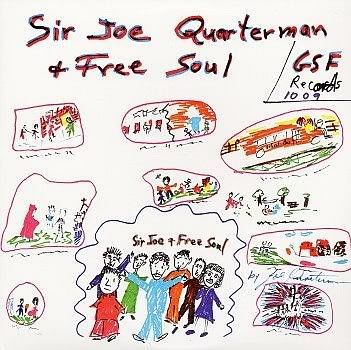
Sir Joe Quarterman & Free Soul - Sir Joe Quarterman & Free Soul - 1973 - GSF Records

A funk classic. This one's a killer!-- with a hard funky wah wah sound as good as James Brown's best work on Polydor from the early 70s, and which should have made Joe a millionaire, not a lost legend of soul music. The band is sharp as a knife -- with hard drums, tight bass, and some simply amazing guitar riffing. But the best part is Joe -- as his vocals are hard and emotional, with just the right touches of righteousness to carry off the album's political messages, but not too much as to spoil the party that the band's having in the background! Every single track is a winner.

TRACKS

A1.(I Got) So Much Trouble In My Mind (6:19)
A2.I Made A Promise (4:18)
A3.The Trouble With Trouble (2:46)
A4.The Way They Do My Life (3:06)
Arranged By [Horns, Strings] - Tony Camillo

B1.Find Yourself (2:59)
B2.Gonna Get Me A Friend (2:04)
B3.Give Me Back My Freedom (3:34)
B4.I Feel Like This (2:57)
B5.Live Now Brothers (3:02)

CREDITS

Arranged By - Bill Tate (tracks: A1 to A3, B1 to B4) , Cotter Wells (tracks: A1 to A3, B1 to B4) , Sir Joe Quarterman (tracks: A1 to A3, B1 to B4)
Bass - Gregory C. Hammonds
Drums - Allen Stewart
Guitar - George R. Lee , Willie Parker Jr.
Keyboards - Karissa Freeman
Producer - Bill Tate , Cotter Wells , Sir Joe Quarterman
Saxophone - Leon Rogers
Vocals, Trumpet - Sir Joe Quarterman Notes: All selections composed by Joe Quarterman
Produced by Cotter Wells, Bill Tate and Joe Quarterman for Mantis Recording Corp.

BIO

Joe Quarterman was an unfairly overlooked funk and soul singer influenced by -- but not imitative of -- James Brown. Honing his chops in church choirs and various vocal groups, Quarterman earned the nickname "Sir" in high school while singing with a group called the Knights; he subsequently joined up with a female backing quartet as Sir Joe & the Maidens and cut a few records during the early '60s. Quarterman went on to play trumpet in the El Corols (aka the Magnificent Seven), whose highest-profile gig came as Garnet Mimms' backing band. In 1970, after playing jazz with the Orlando Smith Quintet, he formed a backing group called Free Soul, which featured lead guitarist George "Jackie" Lee, jazz-trained guitarist Willie Parker, fretless bassist Gregory Hammonds, keyboardist Karissa Freeman, drummer Charles Steptoe, and horn player Leon Rogers. Their first single, "(I Got) So Much Trouble in My Mind," was also their biggest, reaching the R&B Top 30 in early 1973. Quarterman's only LP, Sir Joe Quarterman & Free Soul, was released later that year on the small GSF label, and showed Quarterman to be an avatar of the kind of hard, socially conscious funk James Brown often recorded during the early '70s. Further singles followed, including "This Girl of Mine (She's Good to Me)," "I'm Gonna Get You," and "Thanks Dad," before Quarterman moved to Mercury in 1974. Unfortunately, the label issued only two singles, the fine "Get Down Baby" and "I'm a Young Man," before letting Quarterman go. Financial problems broke up the band, and Quarterman quit the business to return to college and earn his degree in architecture. Collectables reissued Quarterman's lone album on CD during the '90s, adding several non-LP singles as bonus tracks. © Steve Huey, All Music Guide

9.8.07

Merry Clayton


merryclayton-gimmeshelter1970


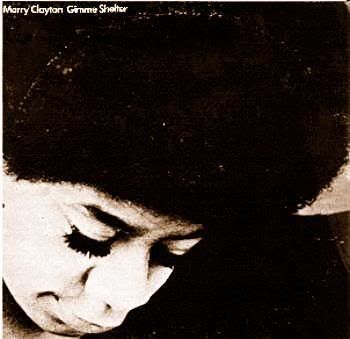
Merry Clayton - Gimme Shelter - 1970 - Ode/A&M

Probably her best-remembered soul album from the 70s, and one that features lots of all-star help by the likes of Lou Adler, Curtis Amy, Gene Page, and Billy Preston. With her classic version of "Gimme Shelter", plus "Tell All The People", "I've Got Life", "Here Come Those Heartaches Again", and "Good Girls". This album was also released on A&M. Does anybody know if the original album contained a Van Morrison track, "Glad Tidings"? If it did, does anybody have a link for it? Posts appreciated.

TRACKS

01. Country Road (James Taylor)
02. Tell all the People (Robbie Krieger – Doors Music)
03. Bridge Over Troubled Water (Paul Simon)
05. I’ve Got Life (Words James Redo – Jerome Ragin -- Music Galt MacDermot)
04. Gimme Shelter (Jagger – Richards)
06. Here Comes Those Heartaches Again (James Cleveland)
07. Forget It (Gary Wright – Jimmy Miller)
08. You’ve Been Acting Strange (Billy Preston)
09. I Ain’t Gonna Worry My Life Away (Merry Clayton – Billy Preston)
10. Good Girls (Billy Page)

CREDITS

Produced by Lou Adler with considerable help from Merry’s husband Curtis Amy.
Guitars: David T. Walker, David Cohen, Louie Shelton, Lou Morrell, Orville “Red”
Rhodes.
Piano & Organ: Joe Sample, Billy Preston.
Congas: King Errisson.
Percussions: Gary Coleman, Victor Feldman.
Bass: Bob West.
Drums: Paul Humphrey.

BIO

b. Merry 'Baby Sister' Clayton, Gert Town, New Orleans, U.S.A. Merry Clayton is the daughter of a Baptist Reverend and naturally grew up in a strict gospel environment. Merry has recorded with many diverse artists including Elvis Presley, the Supreme's, Ray Charles (becoming one of the Raelettes) and the Rolling Stones. In 1962, she recorded the song 'You're The Reason I'm Living' with rock singer Bobby Darin. Merry made her solo debut in 1963 with 'The Doorbell Rings', before recording a version of 'The Shoop Shoop Song (It's In His Kiss)', a song later popularized by Betty Everett and Cher. Clayton went on to record further singles before beginning a successful career as a session singer. She moved to Los Angeles where she founded Sisters Love and had some success with the group at A & M Records. When the group signed to Motown Records, Merry decided to stay at A & M, signing to the label's subsidiary, Ode Records. She appeared on several Joe Cocker releases, but is best known for her impassioned appearance on the Rolling Stones' 'Gimmie Shelter'. An album of the same name was to follow in 1970. A member of Ray Charles' Raelettes during the late 60's, Clayton then resumed her solo work and enjoyed several R & B hits including 'After All This Time' (1971) and 'Oh No Not My Baby' (1973). Probably her finest release came in 1980 with the excellent 'Emotion'. She worked with producer, Webster Lewis, on the title track and took Joe Samples 'Melodies Of Love' instrumental and turned it into a tour-e-force with new lyrics penned by Will Jennings of The Crusaders, entitled 'When The World Turns Blue'. Many peoples all time favourite tune. She subsequently enjoyed sporadic success. 'Yes', from the film Dirty Dancing, reached the US Top 50 in 1988, but latterly Clayton has also pursued an acting career with roles in 'Maid To Order' and television's 'Cagney And Lacey'. In 1994, she returned to recording, releasing the gospel set 'Miracles' for the A & M label. The album included the Ronn Matlock tune 'Heavenly Father'. She performed cabaret-style with Marianne Faithfull and Darlene Love as '20th Century Pop' in 1996. Other artists that have utilised Merry's vocal attributes are Gene Page, Harvey Mason, Michael Wycoff, Leslie Smith, Roy Ayers, Webster Lewis, Gene Harris, The Blackbyrds and Bobby Womack. Incidentally, Merry was called that name, by her parents, because of the festive time of year she was born. www.soulwalking.co.uk/index.html