A.O.O.F.C
recommends
Mizar6

babydancing


Get this crazy baby off my head!

20.4.13

Aynsley Lister


Aynsley Lister - Equilibrium - 2009 - Manhaton / Cadiz

“His guitar playing is a fire hazard” – MOJO

"His best album ever" - GET READY TO ROCK

"Deft lyrical touch and musical feel" - ZEITGEIST

"Bursting with killer riffs and songs" - CLASSIC ROCK

Equlibrium is the latest release from British blues-rocker Aynsley Lister and his best. It’s the follow up to 2007′s Upside Down, another solid record. Lister is an incredible guitar player and Equilibrium is his most complete album. Aynsley rocks the blues in a modern way. This album really has something for everyone from blazing guitar work to the acoustic cover of Gnarls Barkley’s “Crazy” to the slower tracks of “Superficial” and “Early Morning Dew.” Aynsley Lister has been into one of the most consistent performers in blues/rock over the past 10 years. He’s vastly underrated, but Equilibrium is a step in the right direction towards getting the recognition he deserves. The Review: 8.5/10: Can’t Miss Tracks – “Soul”, “What’s It All About”, “Hurricane”: The Big Hit – “Soul” Very radio friendly and catchy tune, “Hurricane”. - May 25th, 2010 © Blues Rock Review http://bluesrockreview.com/2010/05/aynsley-lister-equilibrium-review.html

'Equilibrium' justifies Aynsley Lister's position as a leading light in the blues-rock arena. Aynsley is one of the few artists playing rocking blues with a modern edge - tangible, heartfelt, soul searching and full of fine songwriting; played with passion, vitality and simply stunning guitar work - reminiscent of a young Clapton. For this latest release he's assembled a very fine band, including John Mayer's guitar player Robbie McIntosh. Apart from a fascinating acoustic reworling of the Gnarls Barkley hit 'Crazy', all the tracks on the album have been written by Aynsley. © Product Description © © 1996-2013, Amazon.com, Inc. or its affiliates http://www.amazon.co.uk/Equilibrium-Aynsley-Lister/dp/B001QU0WRE

Great album from the underrated and dynamic guitarist, Aynsley Lister who is still not fully acknowledged for his technical virtuosity, his grasp of the blues format and his lack of self-indulgence. This album is HR by A.O.O.F.C. Listen to Aynsley’s outstanding “Upside Down” album which demonstrate his brilliant guitar skills even better than “Equilibrium” [All tracks @ 320 Kbps: File size = 122 Mb]

TRACKS

1 Soul 4:08
2 Time's Up 3:09
3 What's It All About 6:00
4 Forever 4:19
5 Crazy 3:47
6 Big Sleep 3:55
7 Running on Empty 4:01
8 Superficial 5:35
9 Early Morning Dew 4:20
10 Running out on Me 4:20
11 Sugar Low 2:49
12 Hurricane 6:10

All tracks composed by Aynsley Lister except "Crazy" by Brian Burton, Thomas Callaway, Gian Franco Reverberi & Gian Piero Reverberi

MUSICIANS

Aynsley Lister - Guitar, Vocals
Simon Johnson, Robbie McIntosh - Electric, Acoustic & Bass Guitar
Steve Darrel Smith - Keyboards, Backing Vocals
Paul Beavis - Drums, Percussion

BIO

When explosive natural ability collides with fiery, emotionally charged compositions, the result is Aynsley Lister; an incredible guitarist whose brand of blues-based rock delivers contemporary song writing fueled with the kind of heart and soul that’s missing from so much modern music. Whether passionately writing and recording his own material or mesmerising audiences at his live shows one thing is abundantly clear: music is hard-wired to his DNA and flows from his fingertips like sonic bolts of lightning. With over 86,000 albums sold, lashings of critical acclaim and years of high profile touring, Lister’s resumé speaks for itself and firmly secures his position as a leading light in the resurgence of British blues-infused music. In hindsight, it's clear Aynsley was born to be a musician. As a child he was hypnotised by his dad's old guitar and at the age of eight was finally gifted his very own. The moment he held that first six-string the outcome was inevitable; he was going to be a guitarist. Blessed with the coolest dad in town, regularly spinning Hendrix, Cream, Fleetwood Mac and a whole host of bewitching blues for his spellbound son, Aynsley taught himself to play with relentless dedication and a precociously attuned ear, spending hours copying his favourite records note for note. Peter Green, Albert King, Clapton and Kossoff weren't just his heroes; they became his teachers. Blazing a trail in a bar band from the age of 13 honed his skills. By 18 he'd started singing and had also formed his first group, during which time he landed a dream support slot with Buddy Guy and released two low key CD's featuring his earliest original material. In 1998 those self-penned titles caught the attention of Ruf Records owner Thomas Ruf, who immediately signed Aynsley and hooked him up with Stevie Ray Vaughan's producer Jim Gaines. With a maturity that belied his years, the self titled debut announced Aynsley Lister as a major new talent and kicked off a successful relationship with Ruf Records, releasing 7 albums and 2 DVD's in ten years. Their influence, coupled with his dynamite live shows and intense touring schedule, earned high profile support slots with established artists like Walter Trout, John Mayall and Robert Cray, whilst rousing festival appearances alongside artists like the Fun Lovin' Criminals cemented his standing as an artist whose work, although rooted in blues, transcended the genre with a fiery modern sound that was eagerly embraced by fans of rock, pop, soul and acoustic music alike. In 2007 Aynsley was the only British artist to be named in Classic Rock magazine's "Top 10 Contemporary Blues Artists", alongside John Mayer, Derek Trucks and Joe Bonamassa. In 2008 Aynsley's huge crossover potential saw him sign to Manhaton Records, where he released the best two albums of his career to date. Produced by Steve Darrel Smith and featuring Paul McCartney guitarist Robbie Macintosh, 2009's 'Equilibrium' exposed Lister in his best ever form, throwing all his musical influences into a delicious melting pot that delivered sultry melodies, full throttle hard rock riffage and introspective ballads. 'Equilibrium' received fantastic reviews and stormed into Classic Rock’s Top 50 Albums of 2009. The subsequent tour saw Aynsley playing to sold out shows to over 16,000 people whilst opening for the legendary Lynyrd Skynyrd, after which he and his band relocated to the Tower Arts Centre and with the tape rolling, nailed a cracking rendition of their high-octane live set to produce the storming 'Tower Sessions' record, which was consequently voted ‘Best Live Album’ in the 2011 Blues Matters Writers Poll. With his stock firmly in the ascendancy Aynsley is currently hard at work on his next record, intent on creating the finest album of his career. He's wisely chosen to refine the material the best way he knows how; by playing it live. “When you record songs in the studio and then go out and tour, they evolve and take on a life of their own. I want to capture that on the new record and want a whole album of songs that translate to the live setting as well as being well written enough to engage the listener of an album”. The eagerly anticipated new material, slated for release in early 2013, will be distributed on his manager's label as he's sagely decided to take control of his career by bringing everything in-house, following other successful artists who've cut out the record companies with astonishing results. Needless to say, a tour in support of that album will surely follow, and that promises to be something special, not just for the fans, but for the main man himself: “Music is a release for me. When I play I get lost in it and it's a very happy place to be” - Aynsley Lister © Aynsley Lister © 2013 AYNSLEY LISTER http://www.aynsleylister.co.uk/index.php/about/biography

19.4.13

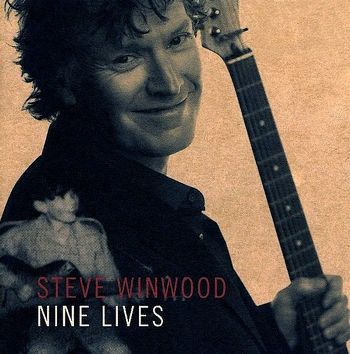
Steve Winwood


Steve Winwood - Nine Lives - 2008 - Columbia

Steve Winwood's Nine Lives marks a more organic return to recording. This will be good news for those who live for any resurrection of rock heroes from days of yore, and bad for those who loved his hit singles in the 1980s and '90s. Seven of these nine cuts resemble (at least partially) those found on his last album, the brilliant About Time issued in 2003. The latter was a barnstormer of a rhythm and rock album (feels like Traffic meets Santana) that never got its proper due. Winwood produced this set for his debut on Columbia. He plays loads of Hammond B-3 and guitar, but also has a small core band that includes Jose Pires de Almeida on guitar, drummer Richard Bailey, Karl Van Den Bossche on percussion, and Paul Booth on reeds and woodwinds. Those seeking an album that resembles the surprise radio hit "Dirty City" (featuring Eric Clapton as a guest) aren't quite getting that. For the most part, Nine Lives begins as an introspective and reflective album that eventually cooks its way through restrained but inventive Afro-Latin grooves, bluesy, funky B-3, and acoustic and electric rock guitars. Just as often, however, that same blend of rhythmic invention graces lithe, deeply reflective tunes that address some very adult issues: separation, loss, reunion, spiritual redemption, and epiphany. The opening cut is the stripped-to-the-bone acoustic blues "I'm Not Drowning" with Winwood playing all the instruments. It's a gentle but effective blues moaner. Its 12-bar structure, hosts a memorable acoustic guitar lick that's ready-made for sampling. It's followed by "Fly," a nearly eight-minute tome that wouldn't have been out of place on Arc of a Diver if it'd had an unplugged element. Think of Robbie Robertson's solo material, or even the Blue Nile's sparse elegance on its debut album, and you can find a place for this gorgeous midtempo ballad with a sweet soprano saxophone line that leads into the melody. Winwood's voice is so rich here, it's capable of breaking your heart with its unsullied, beaten, and broken but unbowed spirit. The lyrics are almost holy in their expression of hope (more so than optimism) -- a hope that leads to a love that cannot be defeated. The album's single, "Dirty City," offers Clapton's most emotionally involved guitar playing in well over a decade; too bad he didn't play like this for the slumber-worthy Cream reunion. His sense of economy makes possible his actual feel for the guitar entering into the tune, and he basically makes it happen. But he has some real help from Van Den Bossche's djembes and congas, and a five-note, two-chord organ vamp from Winwood. When Mr. Slowhand takes his solo about six minutes in, its nasty sting is startling and raises the tension and release of the song as it eventually goes to fade about two minute later (it also makes the listener wonder where the hell he's been all these years and why his own records don't reflect this much invention and heat). The next track, the deeply spiritual "We're All Looking," is a funky, jazzed-up rocker with searching lyrics and a tremendously soulful presence in Winwood's voice; his singing is beautiful and powerful on Nine Lives -- time has not had its way with the thin yet authoritative and yearning luster in the grain of it. Winwood is singing his ass off, with plenty of deep soul. Here again it's important to note that Van Den Bossche's percussion in this ensemble, and on these songs in particular, cannot be overstated. It lends a certain flight-worthy expansiveness to Winwood's organ playing, and frees Bailey's drums to explore in many of these highly nuanced, nocturnal, funky cuts (check "Hungry Man," where the doubled-up polyrhythms between the two drummers create a vibe Winwood can dig deep into and then soar with, on both the Hammond and in his vocals). Those percussion elements are what make these often lyrically introspective tunes jump to life. Van Den Bossche is also one of the reasons that About Time was such a killer. Carlos Santana might gnash his teeth over not getting to play on this recording -- his influence is all over it. The flute break blended with bubbling congas, djembes, and funky guitars on "Secrets" will make it desirable to beat hunters everywhere. Think of Herbie Mann and Wes Montgomery with Mongo Santamaria playing on Traffic's Low Spark of High Heeled Boys album, and you get the picture. The final two tracks, and the other bookend, as it were, include one of the jauntiest, funkiest numbers on the set in "Sometimes We Do Forget," with a groove that is simply infectious with a bumping guitar and bassline. The closer, "Other Shore," is the only cut that recalls Winwood's early solo records, but it's sparse despite its beautiful, easy R&B lilt. Again, redemption for oneself, for others, for a love that has endured the goodbyes, and the letting go that ushers in a new "hello." This is pop music with soul, with grit and the grains of revealed truth pouring from Winwood's mouth, not as a survivor but as a man who has seen enough of life to know that the sun really does rise in the morning. Nine Lives is deeper, heartier, and braver lyrically than anything he's ever done. Musically, its only rival is About Time, but it's more reflective and gentler, without giving up any of the hunger which that album evidenced. This is not a comeback; it's instead a rediscovery from one of our most gifted singers, songwriters, and truth-tellers. © Thom Jurek © 2013 Rovi Corp | All Rights Reserved http://www.allmusic.com/album/nine-lives-mw0000783315

Steve Winwood has been an excellent keyboardist, vocalist, band member and in-demand session musician for most of his career. Stevie recently guested with Steely Dan (Who?!) on some of their shows to great acclaim. It would be wrong to think of Steve Winwood as only being a big star in the blue-eyed soul-pop scene in the ‘80’s when he recorded a lot of stuff which was often slick, highly polished, using a viable winning commercial formula which was fine for AOR and mainstream radio and the commercial charts, but definitely did not appeal to many of his real fans, and certainly did not stretch Stevie’s great talents as a musician who had been an established and highly respected songwriter, musician and vocalist in the fields of jazz, psychedelia, blues-rock, and progressive rock in the ‘60’s and ‘70’s. That musical background has not always been evident on some of Stevie’s solo albums. “Nine Lives” was a return to form for the ex- member of many great bands including the Spencer Davis Group, Traffic, and Blind Faith. The album is predominantly a R&B/soul album with some great gospel, funk and jazz influences. Steve's vocals are uninhibited and soulful, and his musicianship is wonderful. The album is HR by A.O.O.F.C. Listen to Stevie’s great “Back in the High Life” album, Traffic's "John Barleycorn Must Die" album, and Blind Faith's s/t album...Real music [All tracks @ 320 Kbps: File size = 152 Mb]

TRACKS / COMPOSERS

1 I'm Not Drowning (Steve Winwood, Peter Godwin) 3:32
2 Fly (Winwood, Godwin, José Pires de Almeida Neto) 7:49
3 Raging Sea (Winwood, Godwin, Neto) 6:17
4 Dirty City (Winwood, Godwin) 7:44
5 We're All Looking (Winwood, Godwin) 5:25
6 Hungry Man (Winwood, Godwin, Neto) 7:07
7 Secrets (Winwood, Godwin, Neto) 6:41
8 At Times We Do Forget (Winwood, Godwin, Neto) 5:57
9 Other Shore (Winwood, Godwin, Neto) 6:41

MUSICIANS

Steve Winwood - Guitar, Hammond Organ, Organ, Vocals
José Pires de Almeida Neto - Guitar on Tracks 2, 3, 6, 7, 8, 9
Tim Cansfield - Guitar on Track 6
Eric Clapton - Guitar Solo on Track 4
Richard Bailey - Drums
Karl Van Den Bossche - Percussion
Paul Booth - Saxophone, Flute, Human Whistle

BIO

As a solo artist, Steve Winwood is primarily associated with the highly polished blue-eyed soul-pop that made him a star in the '80s. Yet his turn as a slick, upscale mainstay of adult contemporary radio was simply the latest phase of a long and varied career, one that's seen the former teenage R&B shouter move through jazz, psychedelia, blues-rock, and progressive rock. Possessed of a powerful, utterly distinctive voice, Winwood was also an excellent keyboardist who remained an in-demand session musician for most of his career, even while busy with high-profile projects. That background wasn't necessarily apparent on his solo records, which established a viable commercial formula that was tremendously effective as long as it was executed with commitment. Stephen Lawrence Winwood was born May 12, 1948, in the Handsworth area of Birmingham, England. First interested in swing and Dixieland jazz, he began playing drums, guitar, and piano as a child, and first performed with his father and older brother Muff in the Ron Atkinson Band at the age of eight. During the early '60s, Muff led a locally popular group called the Muff Woody Jazz Band, and allowed young Steve to join; eventually they began to add R&B numbers to their repertoire, and in 1963 the brothers chose to pursue that music full-time, joining guitarist Spencer Davis to form the Spencer Davis Group. Although he was only 15, Steve's vocals were astoundingly soulful and mature, and his skills at the piano were also advanced beyond his years. Within a year, he'd played with numerous American blues legends both in concert and in the studio; in 1965, he also recorded the solo single "Incense" as the Anglos, crediting himself as Stevie Anglo. Meanwhile, the Spencer Davis Group released a handful of classic R&B-styled singles, including "Keep on Running," "I'm a Man," and the monumental "Gimme Some Lovin'," which stood with any of the gritty hardcore soul music coming out of the American South. Winwood eventually tired of the tight pop-single format; by the mid-'60s, the cutting edge of rock & roll often involved stretching out instrumentally, and with his roots in jazz, Winwood wanted the same opportunity. Accordingly, he left the Spencer Davis Group in 1967 to form Traffic with guitarist Dave Mason, horn player Chris Wood, and drummer Jim Capaldi, all of whom had played on "Gimme Some Lovin'." The quartet retired to a small cottage in the Berkshire countryside, where they could work out their sound -- a unique blend of R&B, Beatlesque pop, psychedelia, jazz, and British folk -- and jam long into the night without angering neighbors. Traffic debuted in the U.K. with the single "Paper Sun" in May 1967, and soon issued their debut album Mr. Fantasy (retitled Heaven Is in Your Mind in the U.S.); it was followed by the jazzy psychedelic classic Traffic in 1968. However, conflicts had arisen between Winwood and Mason over the latter's tightly constructed folk-pop songs, which didn't fit into Winwood's expansive, jam-oriented conception of the band. Mason left, returned, and was fired again, and Winwood broke up the band at the beginning of 1969. Even so, by that time, he had become the unofficial in-house keyboardist for Traffic's label Island, playing at numerous recording sessions. Winwood subsequently hooked up with old friend Eric Clapton, who'd recently parted ways with Cream. The two began jamming and found that they enjoyed working together, and rumors of their collaboration spread like wildfire; the enormous anticipation only grew when ex-Cream drummer Ginger Baker signed on, despite Clapton's misgivings over the expectations that would create. Concert promoters rushed to book the band before any material had been completed (hence the band's eventual name, Blind Faith), and offered too much money for them to refuse, despite their lack of rehearsal time. Their self-titled debut, released in the summer of 1969, was a hit, but the extreme pressure on the group led to their breakup even before the end of the year. Winwood joined Baker in a large, eclectic new supergroup called Ginger Baker's Air Force, but Winwood still had contract obligations to Island, and he left not long after Air Force's debut performance at the Royal Albert Hall in early 1970. Winwood began work on what was slated to be his first solo LP, but he gradually brought in more ex-Traffic members to help him out, to the point where the album simply became a band reunion. John Barleycorn Must Die was released later in 1970, showcasing the sort of jam-happy jazz-rock sound that Winwood had in mind for the group from the start. Several more albums in that vein followed, including 1971's The Low Spark of High-Heeled Boys, which brought Traffic to the peak of their commercial popularity in America. The run was briefly interrupted by Winwood's bout with peritonitis around 1972, but he'd recovered enough to play a major role in Eric Clapton's early-1973 comeback concerts at the Rainbow Theatre. Traffic broke up in 1974, but instead of going solo right away, an exhausted Winwood spent the next few years as a session musician, relaxing on his Gloucestershire farm during his spare time. He also featured prominently as a collaborator with Japanese percussionist Stomu Yamash'ta, appearing on his hit jazz fusion LP, Go, in 1976. When Winwood finally returned with his self-titled solo debut in 1977, Britain was in the midst of the punk revolution, and the music itself was somewhat disappointing even to Winwood himself. Dismayed, he returned to Gloucestershire and all but disappeared from music. He returned in late 1980 with the little-heralded Arc of a Diver, a much stronger effort on which he played every instrument himself. Modernizing Winwood's sound with more synthesizers and electronic percussion, Arc of a Diver was a platinum-selling hit in the U.S., helped by the hit single "While You See a Chance"; it received highly positive reviews as well, most hailing the freshness of Winwood's newly contemporary sound. The extremely similar 1982 follow-up Talking Back to the Night sounded rushed to some reviewers, and it wasn't nearly as big a hit, with none of its singles reaching the Top 40. Unhappy with the record, Winwood even considered retiring to become a producer (though his brother talked him out of it). Taking more time to craft his next album, Winwood didn't return until 1986, with an album of slickly crafted, sophisticated pop called Back in the High Life, which was his first '80s album to feature outside session musicians. It was a smash hit, selling over three-million copies and producing Winwood's first number one single in "Higher Love," which also won a Grammy for Record of the Year. In 1987, Virgin offered Winwood a substantial sum of money and successfully pried him away from Island; a remixed version of Talking Back to the Night's "Valerie," featured on the Island-greatest-hits compilation Chronicles, became a Top Ten hit later that year. Winwood's hot streak continued with his first album for Virgin, 1988's Roll With It. The title track became his second number one and his biggest hit ever, and the album topped the charts as well; plus, the smoky ballad "Don't You Know What the Night Can Do?" was featured in a prominent TV ad campaign. Winwood had by now established a large, mostly adult fan base, but that support began to slip with his next album, 1990's Refugees of the Heart. Refugees repeated the slick blue-eyed soul updates of its predecessor, but according to most reviewers it simply wasn't performed with the same passion, save for the lead single "One and Only Man," a collaboration with Traffic mate Jim Capaldi. Afterward, Winwood continued his pattern of following disappointments with periods of inactivity; he next resurfaced in 1994 as part of a Traffic reunion with Capaldi. Together they released the new album, Far From Home, and toured the world. Winwood subsequently returned to his solo career and spent two years working on Junction Seven, which finally appeared in 1997 and was co-produced by Narada Michael Walden. However, his momentum had stalled, and the album -- which received mixed reviews -- failed to sell well. The following year, Winwood toured with his new project Latin Crossings, a jazz group that also featured Tito Puente and Arturo Sandoval (though they never recorded). He subsequently parted ways with Virgin. The brilliant About Time appeared in 2003, followed in 2008 by Nine Lives. © Steve Huey © 2013 Rovi Corp | All Rights Reserved http://www.allmusic.com/artist/steve-winwood-mn0000045313
18.4.13

Vinnie Colaiuta


Vinnie Colaiuta ‎- Vinnie Colaiuta - 1994 - Stretch Records

A very versatile drummer, Vinnie Colaiuta is impossible to pigeonhole as just a specialist in only one or two areas. He is capable of playing very credible pop-jazz, or recording with Buell Neidlinger and Marty Krystall in a post-bop quartet. Colaiuta's talents were obvious from an early age. After attending the Berklee School of Music, he worked with Frank Zappa (1978) and then performed with Joni Mitchell for several years. Settling in Los Angeles in 1983, Colaiuta worked for seven years as a very busy studio musician. In 1990 he went back on the road with Sting and in 1994 had his first record date as a leader, the self-titled Vinnie Colaiuta on the Stretch label. © Scott Yanow © 2013 Rovi Corp | All Rights Reserved http://www.allmusic.com/artist/vinnie-colaiuta-mn0000714156

Long-revered session drummer Vinnie Colaiuta jets to fusion's version of The Twilight Zone on his Stretch Records debut, a multi-influential, hardcore player's fiesta rife with moody effects, monster expressions by all his high-powered pals, and decadent experimentation. So, is that good or bad? Depends on your perspective. From a purely artistic point of view, if your listening palette can handle rambling but iron-fisted nuclear power and intrusive samples, then it's a fantastic look into another realm. If organization and focused craft is an issue, if melody is king, it will drive you insane while still provoking you. To focus on the positive aspects: Colaiuta's amazing as an all-around percussionist, serving up a hip-hop, blues atmospheres, even a wailing dance cut ("Momoska"). The guest list, from John Patitucci to Herbie Hancock to Sting, contributes ear-popping extravagance. Michael Landau strokes his strings like an alien comet from Krypton. And the leader even shows a softer side ("Darlene's Song"). Overall, intriguing, though more fun for the musicians involved than for the listener. © Jonathan Widran © 2013 Rovi Corp | All Rights Reserved http://www.allmusic.com/album/vinnie-colaiuta-mw0000626688TRACKS

A producer once told Vinnie Colaiuta that “if you threw Tony Williams and Steve Gadd into a blender, Vinnie would be the tasteful concoction”. There is no question that Vinnie Colaiuta is a fabulously talented drummer and percussionist and has a natural born talent for playing the instrument. Vinnie has played with the crème de la crème of modern day musicians and has an unbelievable CV. He remains one of the most in demand studio musicians playing on countless albums. Vinnie has not tried analyzing his unique and compelling playing. The term "Vinnie Stuff” has often been used to describe Vinnie Colaiuta’s unique brand of drumming. It includes a lot more than his ability to play the most complex polyrhythms, odd meters, and wild fills, or his uncanny talent to lock into a groove no matter what the time signature. Whatever "Vinnie Stuff" is, it has had a huge impact on contemporary music and a generation of drummers. Vinnie is passionate about post-bebop jazz. He has said that “I like music that is rhythmically funky and has an interesting or beautiful harmonic structure”. Listen to Greg Mathieson’s “West Coast Groove” Frank Zappa’s “Shut Up 'n Play Yer Guitar” and Steely Dan’s “Two Against Nature” albums where you can hear hear what Vinnie means. [All tracks @ 320 Kbps: File size = 110 Mb]

TRACKS

1 I'm Tweeked / Attack Of The 20lb Pizza 6:22
2 Private Earthquake: Error 7 7:23
3 Chauncey 9:39
4 John's Blues 5:25
5 Slink 5:57
6 Darlene's Song 5:41
7 Momoska (Dub Mix) 8:04
8 Bruce Lee 6:01

All tracks composed by Vinnie Colaiuta

N:B: The German version of this album contains an extra track "If One Was One"

MUSICIANS

Guitar – Dominic Miller (tracks: 3, 4, 6), Michael Landau (tracks: 1, 8), Mike Miller (tracks: 4 to 6)
Bass – Neil Stubenhaus (tracks: 1, 8), Pino Palladino (tracks: 2), Sal Monilla (tracks: 7), Sting (tracks: 3), Tim Landers (tracks: 5)
Bass [Acoustic] – John Patitucci (tracks: 6)
Piano – Chick Corea (tracks: 6)
Piano [Solo] – Herbie Hancock (tracks: 7)
Organ – David Sancious (tracks: 2)
Synthesizer, Electric Piano – David Goldblatt (tracks: 4, 5)
Drums, Keyboards, Percussion, Programmed By, Written By, Producer – Vinnie Colaiuta
Percussion – Bert Karl (tracks: 7)
Tenor Saxophone – Steve Tavaglione (tracks: 2 to 7)
Trombone – Ron Moss (tracks: 8)
Trumpet, Flugelhorn – Jeff Beal (tracks: 4, 6)

BIO (WIKI)

Vincent Colaiuta (born February 5, 1956) is an American drummer based in Los Angeles. Originally from Republic, Pennsylvania, he began playing drums as a child and received his first full drum kit from his parents at the age of fourteen. He is notable for his technical skill and his musical versatility, having played with many artists from a wide variety of genres. After attending the Berklee College of Music in Boston for a year, Colaiuta had his first big break as a member of the Christopher Morris Band in 1976-1977. Playing and recording with the Christopher Morris Band (MCA 2282) in 1977, Colaiuta relocated with the band to Los Angeles. After leaving the Christopher Morris Band, he made a mediocre living playing with lounge bands. His next break came in April 1978 at the age of 22, when Colaiuta auditioned for Frank Zappa, an audition that involved performing the notoriously difficult piece entitled "The Black Page". The audition was successful and Colaiuta went on to work with Zappa as his principal drummer for studio and live performances. He played on the successful Zappa albums Tinsel Town Rebellion, Joe's Garage, and Shut Up 'n Play Yer Guitar. Joe's Garage was named one of the top-25 drumming performances of all time in a 1993 Modern Drummer article. About Colaiuta's ability to play Zappa's notoriously complex music and the complex style of polyrhythms, guitarist Steve Vai told the following story: He's one of the most amazing sight-readers that ever existed on the instrument. One day we were in a Frank rehearsal, this was early '80s, and Frank brought in this piece of music called "Mo 'N Herb's Vacation." Just unbelievably complex. All the drums were written out, just like "The Black Page" except even more complex. There were these runs of like 17 over 3 and every drumhead is notated differently. And there were a whole bunch of people there, I think Bozzio was there. Vinnie had this piece of music on the stand to his right. To his left he had another music stand with a plate of sushi on it, okay? Now the tempo of the piece was very slow, like "The Black Page." And then the first riff came in, [mimics bizarre Zappa-esque drum rhythm patterns] with all these choking of cymbals, and hi-hat, riffs, spinning of rototoms and all this crazy stuff. And I saw Vinnie reading this thing. Now, Vinnie has this habit of pushing his glasses up with the middle finger of his right hand. Well I saw him look at this one bar of music, it was the last bar of music on the page. He started to play it as he was turning the page with one hand, and then once the page was turned he continued playing the riff with his right hand, as he reached over with his left hand, grabbed a piece of sushi and put it in his mouth, continued the riff with his left hand and feet, pushed his glasses up, and then played the remaining part of the bar. It was the sickest thing I have ever seen. Frank threw his music up in the air. Bozzio turned around and walked away. I just started laughing”. Colaiuta is mentioned in Frank Zappa's song, "Catholic Girls" by the character Mary. After leaving Zappa, Colaiuta went on to work with a long list of notable rock and pop artists, including Gino Vannelli, Joni Mitchell, Barbra Streisand, Sandy & Junior, Jay Vaquer, Clannad, Wang Chung, Chaka Khan, Megadeth, The Beach Boys, Leonard Cohen and Jeff Beck. He has also appeared with many notable jazz musicians, including Chick Corea, Herbie Hancock, Jimmy Haslip, Quincy Jones, the Buddy Rich Big Band and Buell Neidlinger. He has also played with Chuck Loeb, David Goldblatt, David Sancious, Dean Brown, Jeff Porcaro, Jim Beard, John Patitucci, Mark Egan, Gigi D'Alessio, Robben Ford, and Tim Landers. In 1990, Colaiuta successfully auditioned as drummer in Sting's touring band in support of his album The Soul Cages. Colaiuta remained as a member of Sting's band for the next seven years. He declined the offer to go out on the road for the Brand New Day tour in 1999 due to the considerable length of a typical Sting world tour. Colaiuta's studio work with Sting can be heard on Ten Summoner's Tales (1993), Mercury Falling (1996), three songs on Brand New Day (1999) and two songs on Sacred Love (2003). In September 2003, he returned to Sting's touring lineup in a brief promotional tour of Sacred Love, but once again declined the offer to participate in the world tour. At 10.21.2011 Vinnie Colaiuta rejoined Sting´s tour band for performing on the Back to Bass Tour. So he continues his live collaboration with Sting after almost fifteen years. Colaiuta released a self-titled solo recording in 1994, and still remains one of the most in demand studio musicians playing on countless albums, film soundtracks, TV and radio jingles. His dedication to self-improvement is legendary: Dom Famularo, a famous drum educator and Colaiuta's friend, once told a story about Colaiuta opening his door while practising on a drum pad; after a few minutes of a chat on the door step, Colaiuta said: "I'm such a bad host, I haven't offered you anything! Do you want a pad?" Colaiuta has won a total of 18 Drummer of the Year awards from Modern Drummer magazine's annual reader polls. These include 10 awards in the "Best Overall" category. Colaiuta was inducted into the Modern Drummer Hall of Fame in 1996. The publication also cited Colaiuta as being the most important drummer of our time. In 2006 to 2007, Colaiuta toured with Jeff Beck and Tal Wilkenfeld on bass, with Jason Rebello playing keyboards, in Eric Clapton's Crossroads Guitar Festival. Colaiuta recorded and toured with Faith Hill, recorded with the thrash metal outfit Megadeth on their album The System Has Failed, and toured with Jeff Beck and Herbie Hancock. From October 22 to November 23, 2008, Colaiuta toured Europe with John McLaughlin, Chick Corea, Kenny Garrett and Christian McBride in the Five Peace Band. 2009 was the release of the Zappa alumni all star band The Mar Vista Philharmonic, featuring Tommy Mars, Bruce Fowler, Walt Fowler, Arthur Barrow, among others, on Jon Larsens Zonic Entertainment label.

Lothar Kosse


Lothar Kosse - Rainmaker - 1999 - Felsenfest

"Rainmaker" is the third all instrumental solo album from the veteran German guitarist, singer and songwriter Lothar Kosse. Lothar is backed by a Grade A band consisting of the amazing Vinnie Colaiuta on drums, Gary Lunn on bass and Matthias Heimlicer on keyboards. The great guitarist Phil Keaggy plays a guitar solo on "Walk On Water". Lothar is well known for his “Christian” beliefs and music. This blog is not affiliated with any religious or political doctrines and is only concerned with music. Many people are put off listening to music because of certain artists’ religious beliefs or the labelling of music as “Christian” or other descriptions. It is probably irrelevant even to mention this aspect of Lothar Kosse’s life, but it would be a pity if good music was overlooked on these grounds. It is worthwhile knowing that Lothar is an outstanding guitarist and this album contains 10 ultra-bluesy rock fusion instrumentals rich in dynamics and played with a soulful style. There are no outstanding tracks as regards originality, but it is great to hear a guitarist “at the top of his game” and always a joy to hear musicians like Phil Keaggy and the one and only Vinnie Colaiuta. Check out Lothar’s “One for All” album [All tracks @ 320 Kbps: File size = 115 Mb]

TRACKS

1. World Of Wonders (3:50)
2. When God Comes To Town (5:29)
3. Sons Of Asaph (5:04)
4. Rainmaker (6:56)
5. Fall On Me (5:52)
6. ZooZoo (4:05)
7. Walk On Water (6:09)
8. When I See You (4:42)
9. Boom (5:25)
10. Little Big One (Song for Simon) (4:47)

MUSICIANS

Lothar Kosse - Guitar, Keyboards, Programming
Phil Keaggy - Guitar Solo on "Walk on Water"
Gary Lunn - Bass
Matthias Heimlicher - Keyboards, Programming
Vinnie Colaiuta - Drums

BIO (WIKI)

Lothar Kosse (born 3 September 1959 ) is a Christian singer , guitarist and songwriter. Lothar took a degree in popular music at the Academy of Music and Fine Arts in Hamburg and then studied architecture at the University of Hannover. In 1987 he finished his studies as a graduate architect. He participates in various Christian musical projects and has released several solo albums. Kosse has a high reputation in Germany. As a guitarist, arranger, composer and producer, he has worked on over a hundred CDs, with national and international artists. In Cologne Lothar Kosse passes since 1996, the "Cologne Worship Night", an alternative music event, which in the Cologne club scene "e-business" or at various open-air venues (eg in front of Cologne Cathedral) takes place regularly . His other activities include concerts at home and abroad. The band by Lothar Kosse include: Daniel Jakobi on drums, Manuel Holder on keyboards and Sebastian Roth bass [Translated from German]

17.4.13

MCM (Masi,Coven,Macaluso)


MCM (Masi,Coven,Macaluso) - Ritual Factory - 2004 - Lion Music

Alex Masi (guitar, loops; Dark Lord, Condition Red, Union Radio), Randy Coven (bass guitar; Steve Vai, TNT, Ark, Yngwie Malmsteen, Leslie West, Brian Setzer) and John Macaluso (drums; TNT, Yngwie Malmsteen, Riot, Ark, Holy Mother, Union Radio). - three musicians from different musical and geographical backgrounds who felt like trying expanding a horizon or two. After meeting playing a few hastily rehearsed gigs and clinics in Mexico, the trio got recorded an hour's worth of music that could do justice to what happened on those stages in Mexico City. The process that followed was more intuitive than rational - one idea from one of the three set off a chain reaction of ideas from the other two at different turns - and the whole operation was made even more "abstract" by the fact that the bass and drums were recorded 3000 miles away from where the guitars were going to be recorded and nobody really knew what to expect from what the others were doing. It was almost like playing on a "psychic" level. The result is Ritual Factory - 11 numbers that span from progressive rock to experimental jazz, from funk fusion to Indian rhythms and phrasing - with the addition of "Black Market", a Weather Report classic that MCM jammed on the stages of their first tour and was wildly received. © http://www.cdbaby.com/cd/mcm

Good progressive and often experimental jazz rock fusion. You’re never sure what to expect when listening to this album, but it’s very original with incredible musicianship from three hugely talented and very experienced musicians. Try and listen to MCM’s “Hard Times” album [All tracks @ 320 Kbps: File size = 125 Mb]

TRACKS

1 Ritual Factory 4:37
2 The Whole Life 3:23
3 Sadhu's Jewel 6:51
4 Ghost in My House 5:29
5 Dream of Little Ground Fire 5:09
6 Brozo 4:29
7 Dead Monkey Road 6:03
8 Black Market 4:11
9 Ray-Gun 4:13
10 Landings 5:58
11 Red Quantum 6:13

All tracks composed by Alex Masi, Randy Coven, & John Macaluso except "Black Market" by Josef Zawinul (Weather Report)

BAND

Alex Masi - Guitars
Randy Coven - Bass
John Macaluso - Drums

16.4.13

Stanton Moore


Stanton Moore - Flyin' the Koop -2002 - Blue Thumb Records

Galactic drummer Stanton Moore returns for his sophomore solo effort on a major label with a host of super-choppers at his side, including Chris Wood from Medeski, Martin & Wood, the Greyboy Allstars' Karl Denson, saxophonist Skerik, guitarist Brian Seeger, and New Orleans Mardi Gras Indians and all around vocalists extraordinaire the Wild Magnolias. As on his debut, All Kooked Out, Moore's primary motivating factor is the almighty groove and how to present it in challenging, innovative settings. And he does it here. There's the jazzed-out funky romp of "Tang the Hump," with a subtle New Orleans second-line rhythm backing up the syncopation. And then there's the drum skank on "Fallin' off the Floor," where Chris Wood and Moore play deep, blue funk as the horns play the line. But Moore is also capable of being a jazzer, and he displays this to the hilt on the beautifully driven, R&B-inflected "Prairie Sunset," whose lyrical invention is as gorgeously intricate as any saxophonist's. Also is the deep funk jazz on the intense, jam-oriented "Launcho Diablo," with dueling flute and saxophones in between the rhythmic accents. The drive here is almost Afro-funk, but its architecture is strictly jazz, with the knotty key changes and improvised middle, with a screaming guitar solo Seeger. Moore is a solid bandleader and composer who stresses the groove as the backbone of every track; everything must move along a perimeter of backbone slipping greasy punch, no matter where it comes from originally or gets to. In many ways, as satisfying as Galactic can be live, Moore manages to be the same way on record. He's got the party fully in hand and knows how to make its dynamics work, carrying the listener up to the threshold, slipping them into a little loose-groove meditation, and carrying them out on the steaming rhythmic rail. This is every bit as good as his debut and is as good as any New Orleans record you're likely to find in the 21st century. © Thom Jurek © 2013 Rovi Corp | All Rights Reserved http://www.allmusic.com/album/flyin-the-koop-mw0000214727

One of the best jazz funk albums released since the 1970’s and VHR by A.O.O.F.C. The “Stanton Moore III” album is another great album of terrific horn work and funky grooves [All tracks @ 320 Kbps: File size = 116 Mb]

TRACKS / COMPOSERS

1. Tang the Hump - Karl Denson / Stanton Moore / Chris Wood
2. Fallin 'Off - Karl Denson / Stanton Moore / Chris Wood
3. Let's Go - Brian Seeger
4. Launcho Diablo - Karl Denson / Stanton Moore / Chris Wood
5. Prairie Sunset - Karl Denson / Stanton Moore / Chris Wood
6. Things Fall Apart - Karl Denson / Stanton Moore / Chris Wood
7. Amy's Lament - Stanton Moore
8. Magnolia Triangle - James Black
9. Hunch - Brian Seeger
10. Bottoms Up - Stanton Moore / Chris Wood
11. For the Record - Brian Seeger
12. Organized Chaos - Stanton Moore / Chris Wood

MUSICIANS

Brian Seeger – Guitar
Chris Wood - Bass (Medeski, Martin and Wood)
Stanton Moore – Drums
Karl Denson - Saxophone, Flute (Lenny Kravitz, The Greyboy Allstars)
Skerik - Saxophone (Les Claypool, Critters Buggin)

BIO

A New Orleans musician in every sense of the word, drummer Stanton Moore's main gig is with his enormously popular funk band Galactic but he also plays with a wide variety of other musicians in both club and studio settings. Growing up in New Orleans, Moore was attracted to the thriving music scene, where he absorbed the work of Professor Longhair, Meters drummer Zigaboo Modeliste, and his mentor, Johnny Vidacovich. After meeting founding Galactic members Robert Mercurio and Rich Vogel in the early '90s, Moore played in a series of early versions of the group, including Galactic Prophylactic and the Ivanhoes (in which the band learned a good portion of the catalog of the legendary Meters, New Orleans' founding funk band). In 1994, producer Dan Prothero featured the band's song "Black Eyed Pea" on his Is That Jazz compilation. The band soon recorded Coolin' Off (1996) for Fog City Records, joined in the studio (and, eventually, on the road) by vocalist Theryl Declouet. Through constant touring, Moore met and collaborated with many established funk and jazz musicians, including Medeski, Martin & Wood keyboardist John Medeski, Karl Denson, and even the Meters' bassist George Porter, Jr. Two musicians that Moore hit it off with in particular were eight-string guitarist and T.J. Kirk founder Charlie Hunter and saxophonist Skerik. With this core, the band played a handful of live dates and, in the weeks after Mardi Gras 1998, cut what would become Moore's first solo disc, All Kooked Out! The disc also featured a handful of New Orleans horn players, including Brent Rose, Brian Seeger, Matt Perrine, Ben Ellman, and former Sun Ra trumpet player Michael Ray. Following the recording of Crazyhorse Mongoose with Galactic, crammed in between Galactic tours, Moore traveled with Hunter and Skerik, playing incendiary live shows throughout the West. Many of Moore's songs are included in Galactic's set list. He has often played around New Orleans with a revolving cast of musicians, billed as Moore and More. He has also been a member of the New Orleans Klezmer All-Stars. He has released a handful of solo albums, following 1998's previously mentioned All Kooked Out! with Flyin' the Koop in 2001, III in 2006, and Emphasis! On Parenthesis in 2008. Moore has continued to remain active as a member of Galactic, which released their groundbreaking Ya-Ka-May on Anti in February of 2010, and as a solo artist. In April of that year he released Groove Alchemy on the Telarc Jazz imprint. © Jesse Jarnow © 2013 Rovi Corp | All Rights Reserved © http://www.allmusic.com/artist/stanton-moore-mn0000013038

15.4.13

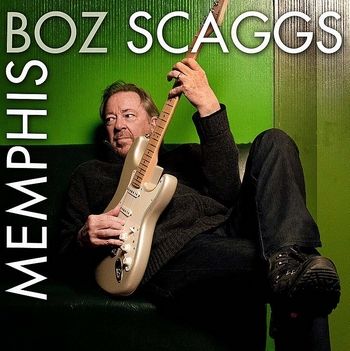
Boz Scaggs


Boz Scaggs - Memphis - 2013 - 429 Records

On Memphis, Boz Scaggs pays tribute to the city's magnificent soul tradition, Al Green, and producer Willie Mitchell and his Royal Recordings studio, whose location and personnel were used to cut it in three days. Produced by drummer Steve Jordan, the core band includes the singer and Ray Parker, Jr. on guitars, and bassist Willie Weeks, augmented by the Royal Horns & Strings, a small backing chorus, sidemen, and guests. Green's influence is celebrated in the opener, Scaggs' "Gone Baby Gone." Its wafting B-3, Rhodes, fluid electric guitars, and a tight backbeat underscore his baritone croon to excellent effect. If there were doubts about the quality of his voice at this juncture, they're immediately dispelled when his sweet falsetto emerges. In his cover of Green's "So Good to Be Here," Scaggs references him but digs deeper into his own trick bag with more rounded, earthier highlights. Then Scaggs begins to move the recording off the ledge a bit. His take on Willy DeVille's "Mixed Up Shook Up Girl" reveals just how deep the late New York rocker's R&B roots really ran as a songwriter. He furthers that notion in covering Moon Martin's "Cadillac Walk," a tune that was a minor hit for DeVille. Scaggs lets raucous, electric roadhouse blues hold sway. These songs draw attention to an under-celebrated singer, songwriter, and performer. Scaggs has always loved the seam where roadhouse blues and R&B meet. The nasty readings of Jimmy Reed's "You Got Me Cryin'" and the Meters' "Dry Spell" attest to that. The latter features a scorching electric dobro solo by Keb' Mo'. Blues are reconstructed in the gorgeous version of "Corrina Corrina." While it is recorded somewhat nearer to its traditional folk origins, Spooner Oldham's Wurlitzer ghosts in from the margins and ushers it in from history to the present era. In Scaggs' smooth voice, the passage of time blurs; it stretches and ultimately ceases to matter. Motown gets the Royal Studios treatment in the glorious reading of Sylvia Robinson's "Love on a Two-Way Street," which features Funk Brother Jack Ashford on vibes. In a real twist, Steely Dan's "Pearl of the Quarter" proves a real set highlight, as early rock & roll, doo wop, Memphis soul, New Orleans R&B, and jazz all come flowing through the band's presentation and Lester Snell's string arrangement. They buoy Scaggs, whose trademark phrasing and emotional honesty offer immediacy and closeness. His own "Sunny Gone" closes it. His lower register is drenched in a meld of R&B, jazz, and his own classic pop balladry -- à la "Harbor Lights" -- carry his delivery which sends Memphis whispering off with a touch of melancholy elegance. This set is a stunner. Scaggs is in full possession of that iconic voice; he delivers songs with an endemic empathy and intimacy that make them sound like living, breathing stories. © Thom Jurek ©2013 Rovi Corp | All Rights Reserved http://www.allmusic.com/album/memphis-mw0002484784

Many people only associate Boz Scaggs with his famous mid '70's disco soul funk classic album, "Silk Degrees" and his hits "Lowdown", "Lido Shuffle", and "What Can I Say", but the man has been around since the mid sixties, and recorded many great albums which always seem to be overshadowed by "Silk Degrees". “Memphis” is a really great soul album with funk, R&B, jazz and New Orleans influences and is as good as anything Boz has ever recorded. Only two of the twelve tracks are Boz Scaggs originals, but his covers of tracks like Willy DeVille’s “Mixed Up, Shook Up Girl”, Al Green’s “So Good To Be Here”, Tony Joe White’s “Rainy Night In Georgia”, and Donald Fagen and Walter Becker’s “Pearl of the Quarter” are beautiful and inspirational. There is not a dud track on this album which is VHR by A.O.O.F.C. Listen to Boz’s wonderful “Fade Into Light” album [All tracks @ 320 Kbps: File size = 110 Mb]

TRACKS / COMPOSERS

1 Mixed Up, Shook Up Girl - Willy DeVille 3:44
2 Gone Baby Gone - Boz Scaggs 3:35
3 So Good To Be Here - Michael Allen / Al Green 3:15
4 Cadillac Walk - Moon Martin 4:27
5 Rainy Night In Georgia - Tony Joe White 4:34
6 Love On a Two Way Street - BB Keyes / Sylvia Robinson 3:36
7 Pearl of the Quarter - Walter Becker / Donald Fagen 3:28
8 Corrina, Corrina - Traditional 3:45
9 Can I Change My Mind - Barry Despenza / Carl Wolfolk 4:19
10 Dry Spell - Jack "Applejack" Walroth 3:24
11 You Got Me Cryin - Ewart Abner / Jimmy Reed 4:55
12 Sunny Gone - Boz Scaggs 4:32

MUSICIANS

Boz Scaggs - Electric & Acoustic Guitars, Vocals, Background Vocals
Ray Parker Jr. - Electric & Acoustic Guitars
Rick Vito, Eddie Willis - Guitar
Willie Weeks - Electric & Upright Bass
David Hungate - Bass
Keb' Mo' - Slide Dobro
Jim Cox - Fender Rhodes, Organ, Piano, Wurlitzer Piano
Charles Hodges - Organ, Wurlitzer Piano
Spooner Oldham - Organ, Piano, Wurlitzer Piano
Lester Snell - Wurlitzer Piano, Horn Arrangements, String Arrangements
Jack Ashford - Vibraphone
Charlie Musselwhite - Harmonica
Steve Jordan - Drums, Horn Arrangements, Percussion, String Arrangements, Background Vocals
Shannon Forrest - Drums
Lannie McMillan - Tenor Sax
Jim Horn - Baritone Sax
Ben Cauley - Trumpet
Jack Hale - Trombone
Lawrence "Boo" Mitchell - Horn, Percussion, Strings
Royal Horns - Horns
Barrie Cooper, Jessie Munson, Wen-Yih You - Violin
Beth Luscome, Jennifer Puckett - Viola
Jonathan Kirkscey, Mark Wallace - Cello
Royal Strings - Strings
Willie Mitchell - String Arrangements
Claytoven Richardson - Background Vocals
Monet Owens - Background Vocals, Spoken Word

BIO

After first finding acclaim as a member of the Steve Miller Band, singer/songwriter Boz Scaggs went on to enjoy considerable solo success in the 1970s. Born William Royce Scaggs in Ohio on June 8, 1944, he was raised in Oklahoma and Texas, and while attending prep school in Dallas met guitarist Steve Miller. Scaggs joined Miller's group the Marksmen as a vocalist in 1959, and the pair later attended the University of Wisconsin together, where they played in blues bands like the Ardells and the Fabulous Knight Trains. Scaggs returned to Dallas alone in 1963, fronting an R&B unit dubbed the Wigs; after relocating to England, the group promptly disbanded, and two of its members -- John Andrews and Bob Arthur -- soon formed Mother Earth. Scaggs remained in Europe, singing on street corners. He also recorded a failed solo LP in Sweden, 1965's Boz, before returning to the U.S. two years later. Upon settling in San Francisco, he reunited with Miller, joining the fledgling Steve Miller Band; after recording two acclaimed albums with the group, Children of the Future and Sailor, Scaggs exited in 1968 to mount a solo career. With the aid of Rolling Stone magazine publisher Jann Wenner, Scaggs next secured a contract with Atlantic. Sporting a cameo from Duane Allman, 1968's soulful Boz Scaggs failed to find an audience despite winning critical favor, and the track "Loan Me a Dime" later became the subject of a court battle when bluesman Fenton Robinson sued (successfully) for composer credit. After signing to Columbia, Scaggs teamed with producer Glyn Johns to record 1971's Moments, a skillful blend of rock and R&B which, like its predecessor, failed to make much of an impression on the charts. Scaggs remained a critics' darling over the course of LPs like 1972's My Time and 1974's Slow Dancer, but he did not achieve a commercial breakthrough until 1976's Silk Degrees, which reached number two on the album charts while spawning the Top Three single "Lowdown," as well as the smash "Lido Shuffle." Released in 1977, Down Two Then Left was also a success, and 1980's Middle Man reached the Top Ten on the strength of the singles "Breakdown Dead Ahead" and "Jo Jo." However, Scaggs spent much of the '80s in retirement, owning and operating the San Francisco nightclub Slim's and limiting his performances primarily to the club's annual black-tie New Year's Eve concerts. Finally, he resurfaced in 1988 with the album Other Roads, followed three years later by a tour with Donald Fagen's Rock and Soul Revue. The solo effort Some Change appeared in 1994, with Come on Home and My Time: The Anthology (1969-1997) both released in 1997. The newly energized Scaggs spent the next few years consistently releasing new material, including Here's the Low Down, Fade Into Light, Dig, and a collection of standards called But Beautiful. An expanded reissue of Silk Degrees and Runnin' Blue (a recording of a 1974 performance) appeared in 2007, and Speak Low saw him reinterpreting a number of jazz standards in 2008. Scaggs toured as a member of the Dukes of September in 2012; the group's other principals included Michael McDonald and Donald Fagen. Scaggs emerged from his recorded silence in March of 2013 with the Steve Jordan-produced Memphis, a collection of original and cover tunes. Recorded at Willie Mitchell's Royal Studio in the city, the album was meant to reflect the heritage of the Southern soul tradition in the 21st century. © Jason Ankeny © 2013 Rovi Corp | All Rights Reserved http://www.allmusic.com/artist/boz-scaggs-mn0000096964

14.4.13

Roger Chapman & The Shortlist


Roger Chapman & The Shortlist - Maybe The Last Time Live - 2011-  Hypertension

Roger Chapman is a rock legend, and one of the great icons of British rock music, best known for his spectacular stage presence and amazing powerful vibrato vocals. He played with the hugely talented and original British band, Family, (who split up in the early 70’s). During their seven year lifespan, Family had achieved an almost unequalled standard of musical output and musicianship. Arguably, at least four of their eight albums can be regarded as rock classics.. Family were regarded by critics, and by the public in general, as one of Britain's finest rock bands. John Peel, the late, great BBC Radio 1 DJ, once said that he'd travel any distance to see Roger Chapman perform. Sadly, by the late seventies, Roger Chapman had practically disappeared from the music scene.The mechanics of the music business, e.g, glam rock, the dawn of punk, new wave, and romanticism, dictated the demise of many great rock and progressive rock bands, who had dominated the music scene, (especially in Britain), for so long. That is not to say that these new genres did not produce some great bands. However, the music scene at that time did not suit Roger Chapman's style of rock music, and never one to bow to commercialism, Roger went to Germany in the early eighties where he still spends most of his time, and is regarded as a cult figure there. He has also received well deserved Artist of the Year and Lifetime Achievement Awards from the German people. In 2009 Roger Chapman hinted at his permanent retiring from live gigging but “Chappo” is still rocking and long may he continue. Chappo has never sold out to commercialism and continues to play his own unique brand of great rock. “Maybe The Last Time Live” was recorded from a FOH desktop at the Munich Harley Festival, Germany on 8th August, 2011. Chappo doesn’t rely on many old Family favourites to make this a great gig. N.B: The Shortlist was a name used by Chappo for his backing musicians on tours. Buy his brilliant 1979 album, "Chappo", and listen to Family's classic "Bandstand", and "Music in a Doll's House" albums [All tracks @ 320 Kbps: File size = 160 Mb]

TRACKS

1 Sunset Vanilla
2 Kiss My Soul
3 Can I Get To Heaven
4 Moth To A Flame
5 This Could Be The Last Time
6 Shadow On The Wall
7 Blind Willie McTell
8 Son Of Red Moon
9 Who Pulled The Night Down On Me
10 Everybodies On The Short List
11 Let's Spend The Night Together

Tracks 1-4,8,9 composed by Roger Chapman: Tracks 5,11 composed by Jagger & Richards: Track 6 composed by Mike Oldfield: Track 7 composed by Bob Dylan: Track 10 composed by Mickey Jupp

BAND

Roger Chapman – Vocals
Geoff Whitehorn – Guitar, Vocals
Steve Simpson – Guitar, Mandolin, Vocals
Gary Twigg – Bass
Paul Hirsh – Keyboards, Vocals
John Lingwood – Vocals

BIO (WIKI)

Roger Chapman (born Roger Maxwell Chapman on April 8, 1942 in Leicester) is an English rock singer. Roger "Chappo" Chapman is probably best known for his participation in the English progressive band Family in the late 1960s through the early 1970s and subsequently, from 1973 to 1978, in Streetwalkers, a rock/R&B band. Prior to Family he had sung with this band's precursor, the Farinas. His idiosyncratic brand of on-stage showmanship and characteristic vibrato led to him becoming a cult figure on the British rock scene. Chapman once claimed he was trying to sing like both Little Richard and especially his idol Ray Charles.In the late 1970s Roger Chapman began a solo career and recorded his first solo album, Chappo. In 1983, Mike Oldfield recorded the album "Crises" featuring the song "Shadow On The Wall" sung by Roger Chapman. The song turned out to be a huge hit for Mike Oldfield (along with the even more popular "Moonlight Shadow"). As other musical styles, such as Punk Rock became more popular in England, Chapman began to have more success in other European countries, especially Germany, where he has spent much of his time since the early 1980s, winning Artist of the Year and a Lifetime Achievement Award.

MORE ABOUT ROGER CHAPMAN

Roger Chapman is best known for his barbed-wire voice, used to front British '70s rock acts Family and Streetwalkers. He began a long-awaited solo career in 1978 that has led to over a dozen full-length releases. Never heard of them? It's not surprising; album-wise, he's been camped out in Germany for 20 years. His first album and tour got high praise in his British homeland, but critics cut into him soon after. When the hassle-free German market beckoned, Chapman began to focus all subsequent work there, where he has become a musical hero, the "Working Class Artist." Chapman split with his longtime writing partner, Charlie Whitney, after the breakup of Streetwalkers in 1977. He surrounded himself with ace session musicians to cut a debut solo effort, Chappo. It was an album of strong rock which catered to the singer and not the musicians. An appearance on Germany's Rockpalast TV show and the ensuing hit single, "Let's Spend the Night Together," gave Chapman the shot of success he needed, so he set up operations in Germany. Live in Hamburg was a reassuring second album, demonstrating the live energy of this experienced yet stage-crazed performer. Studio albums over the next few years blended straight power rock with funk, R&B and soul, all topped with Chapman's characteristic vocal style. In the 1981 German music awards, Chapman was voted Best Singer, and his Hyenas Only Laugh For Fun won an award. Chapman and his backing band, the Shortlist, released two alter-ego albums in the early '80s as the Riff Burglars. These releases honored roots and classic rock by artists like Chuck Berry, Willie Dixon and Leiber & Stoller. A lead vocal on Mike Oldfield's 1983 hit, "Shadow on the Wall," also added to Chapman's diverse repertoire. Chapman's mid-'80s foray into polished studio sounds did not fare well with his audience. When his extended partnership with guitarist Geoff Whitehorn ran it's course, Chapman returned to pure rock form with 1989's Walking the Cat, which featured Alvin Lee and old friend, Bob Tench. Two compilations filled a silent period in the mid '90s, but 1996's Kiss My Soul was a comeback for the guy who never went away. It even got attention and a pressing in Chapman's British homeland, where he often tours but has no domestic releases. This was followed by 1998's A Turn Unstoned? and the 2-CD Anthology; the next year saw re-releases of Chappo and Mail Order Magic. Moth to a Flame was issued in early 2001. © Patrick Little, allmusic.com

13.4.13

Pat Travers


Pat Travers  - Blues Tracks 2 - 1998 - Shrapnel

During the seventies, Canadian guitarist Pat Travers was regarded in the same league of hard rock/heavy metal guitarists that would have included Frank Marino, Ted Nugent and Robin Trower. He inspired a generation of rock guitarists during the 70’s and 80’s in the same way that Hendrix, Clapton, Beck and Page did a decade earlier. He is a magnificent guitarist as is proved by this covers album. After 45 years on the international scene, Pat is still considered to be one of the finest, edgiest, and imaginative blues-based, rock guitarists around. There is also a Volume 1 of this album available. Listen to Pat's "Blues Magnet" album, and consider buying his stupendous “Live! Go for What You Know” album. Blues rock doesn’t get any better [All tracks @ 320 Kbps: File size = 108 Mb]

TRACKS / COMPOSERS

1. I Guess I'll Go Away - (Johnny Winter)
2. Pack It Up - (Beadle, Carthay, Davies, Eve, Gregory, Harper, Hunt, Mercer)
3. Outside Woman Blues - (Reynolds)
4. Your Cash Ain’t Nothing But Trash - (Charles Calhoun)
5. Whipping Post - (Gregory L. Allman)
6. Take It Back - (Jack Bruce, Peter Brown)
7. Taxman - (G. Harrison)
8. Purple Haze - (Jimi Hendrix)
9. Bring It On Home To Me - (Sam Cooke)
10. I Don’t Know - (WJ Mabon, J. Thomas)
11. Walking By Myself - (James A. Lane)
12. One More Heartache - (R. White, M. Tarplin, R. Rogers, W. Robinson Jr, W. Moore)

MUSICIANS

Pat Travers - Guitar, Vocals
Tim Franklin – Bass
Mike Franklin - Piano on Tracks 9, 10
Liberty DeVitto - Drums, Harmonica

BIO

While most bluesy hard rock acts of the '70s and '80s hailed from the United States (the South, to be exact), there were several exceptions to the rule, such as Canadian singer/guitarist Pat Travers. Born in Toronto on April 12, 1954, Travers first picked up the guitar just prior to entering his teens, after witnessing a local performance by the great Jimi Hendrix. It wasn't long before Travers was studying the other top rock guitarists of the day (Eric Clapton, Jeff Beck, Jimmy Page, etc.), and paying his dues by playing in bar bands in Quebec. His first true touring gig came his way when he hooked up with '50s rock & roll vet Ronnie Hawkins (best known for performing with a backing cast that would eventually transform into the Band). But Travers' main love was hard rock, so after a year, he packed up his belongings and headed to London. Shortly after touchdown in the U.K., Travers recorded a demo that would land him a recording deal with Polydor and result in the release of his debut, Pat Travers, during the spring of 1976. A performance at England's annual Reading Festival the same year only piqued further interest, which resulted in two more releases in 1977, Makin' Magic and Putting It Straight (both of which followed a pre-Iron Maiden Nicko McBrain on drums), before Travers returned to North America and set his sights on the U.S. rock market. Featuring drummer Tommy Aldridge, guitarist Pat Thrall, and bassist Mars Cowling, the new Travers band lineup premiered on 1979's Heat in the Street. This led to Travers' most commercially successful period, resulting in a pair of Top 30 releases, 1979's Live! Go for What You Know (considered by many Travers fans to be his finest hour) and 1980's Crash and Burn. But soon after the dawn of the '80s, bluesy hard rock seemed to quickly fall out of favor among the U.S. record buying public, in favor of slickly produced arena rock, and later, MTV-approved bands. As a result, each subsequent Travers release sold less, as his last albums to appear on the U.S. album charts included 1981's Radio Active, 1982's Black Pearl, and 1984's Hot Shot. Unhappy with Polydor, Travers opted to take a break from releasing albums for the remainder of the decade, but continued to tour. Travers' 1990 comeback album, School of Hard Knocks, failed to re-spark interest on the charts, although he continued to issue new studio albums (Blues Tracks, Just a Touch, Blues Magnet, etc.) and archival live sets (King Biscuit Flower Hour, BBC Radio One Live in Concert) throughout the decade. Travers continues to tour and record regularly (playing alongside the likes of Night Ranger's Jeff Watson, Cinderella's Tom Keifer, and Rick Derringer), and in 2001, performed as part of the Voices of Classic Rock tour. Travers emerged from the recording studio once more in 2003, with P.T. Power Trio, a recording that featured covers of songs by the likes of Cream ("White Room"), Robin Trower ("Day of the Eagle"), and ZZ Top ("Nasty Dogs and Funky Kings"), among others. © Greg Prato © 2013 Rovi Corp | All Rights Reserved http://www.allmusic.com/artist/pat-travers-mn0000002867

12.4.13

Savoy Brown


Savoy Brown - Let It Ride - 1992 - Road House Music (Germany)

Kim Simmonds and Savoy Brown remain one of the longest, continuously running, blues rock bands in the world today. Originally known as the Savoy Brown Blues Band, the group was formed in 1965, in Battersea, South West London and was an important part of the late 1960s British blues rock movement, but the band achieved more recognition in the United States where they promoted their albums with constant touring. “Let It Ride” is not as raunchy as some of Savoy Brown’s other albums but the band still produce a mixture of great songs with fantastic musicianship. The range of Kim Simmond’s guitar styles on this album is striking. The album is HR by A.O.O.F.C. Listen to SB’s “Blue Matter” and “Live at the Record Plant” albums, and check out Kim Simmond's "Solitaire" album. [All tracks @ 320 Kbps: File size = 93.9 Mb]

TRACKS

1. Yesterday's Blues 4:27
2. Flat Out 4:14
3. Let Me Be Your Driver 3:09
4. Feel Like Crying 3:56
5. Looking Out 2:42
6. Let It Ride 4:12
7. Cruisin' Speed 2:30
8. Don't Tell Me Nothing 4:52
9. Ain't No Sunshine 3:37
10. Nothing But The Blues 3:44
11. Down All The Days 3:23

Tracks 1-6, 11 composed by Kim Simmonds: Track 7 composed by Rick Jewett: Track 8 composed by Willie Dixon: Track 9 composed by Bill Withers: Track 10 composed by Ed Zachol

MUSICIANS

Kim Simmonds - Guitars: Vocal on Track 11: Harmonica on Track 8
Andy Ramirez - Bass
Rick Jewett - Keyboards
Joe Pierleoni - Drums
Pete McMahon - Vocals on Tracks 1, 10: Harmonica on Track 1
Phil McCormack - Vocals on Tracks 3, 6
Jumpin' Joe Whiting - Vocals on Track 8
Andy Ramirez, Pete McMahon, Rick Jewett - Backing Vocals

SHORT BIO

Part of the late-'60s blues-rock movement, Britain's Savoy Brown never achieved as much success in their homeland as they did in America, where they promoted their albums with nonstop touring. The band was formed and led by guitarist Kim Simmonds, whose dominating personality has led to myriad personnel changes; the original lineup included singer Bryce Portius, keyboardist Bob Hall, guitarist Martin Stone, bassist Ray Chappell, and drummer Leo Manning. This lineup appeared on the band's 1967 debut, Shake Down, a collection of blues covers. Seeking a different approach, Simmonds dissolved the group and brought in guitarist Dave Peverett, bassist Rivers Jobe, drummer Roger Earl, and singer Chris Youlden, who gave them a distinctive frontman with his vocal abilities, bowler hat, and monocle. With perhaps its strongest lineup, Savoy Brown quickly made a name for itself, now recording originals like "Train to Nowhere" as well. However, Youlden left the band in 1970 following Raw Sienna, and shortly thereafter, Peverett, Earl, and new bassist Tony Stevens departed to form Foghat, continuing the pattern of consistent membership turnover. Simmonds collected yet another lineup and began a hectic tour of America, showcasing the group's now-refined bluesy boogie rock style, which dominated the rest of their albums. The group briefly broke up in 1973, but re-formed the following year. Throughout the '80s and '90s Simmonds remained undeterred by a revolving-door membership and continued to tour and record. Their first album for the Blind Pig label, Strange Dreams, was released in 2003. Steel followed in 2007 from Panache Records. © Steve Huey © 2013 Rovi Corp | All Rights Reserved http://www.allmusic.com/artist/savoy-brown-mn0000838524

Legendary…a blues/rock institution…true innovators. These are just a few of the ways Savoy Brown has been described over the past forty years by music critics and fans. One of the earliest of British blues bands, Savoy Brown, with founder guitarist Kim Simmonds at the helm, helped launch the 1967 UK blues boom movement that brought blues music back to the USA invigorating the style forever. In the process, the band became part of the framework that launched the rock and roll music of the 1970’s. Their influence now stretches into modern rock as we know it today. The band recorded their first singles for Mike Vernon’s Purdah label in 1966 and quickly followed up with the landmark album “Shakedown”. Singer Chris Youlden joined the band in 1968 and many classic records appeared with songs such as “I’m Tired” and “Louisiana Blues” becoming radio staples. Blues-rock and boogie music always was the band’s calling card and they captured, forever, the spirit of the music on the live side of “A Step Further” (1969) with a twenty-minute boogie “The Savoy Brown Boogie” dedicated to fans in Detroit. By 1971, Youlden had departed on a solo career and band members Dave Peverett, Roger Earle, and Tony Stevens had left to form their own group Foghat. Kim Simmonds rebuilt the band using former members of the blues band Chicken Shack and vocalist Dave Walker. That year, “Street Corner Talking” brought the band its best chart success up to that date. “Tell Mama”, “Street Corner Talking”, “All I Can Do Is Cry” and the band’s funky re-make of the Motown classic, “I Can’t Get Next To You”, took the band to platinum status and placed them in front of wildly enthusiastic rock audiences in arenas all over the world. After the successful run of the early to mid 70's, Kim moved operations to the USA and continued making the kind of records he wanted to make with a succession of line-ups. Records as diverse as the acoustic blues “Slow Train" to the hard-hitting "Rock And Roll Warriors" appeared. All were eagerly accepted by the fans. A three record deal with Crescendo in 1987 took the band into more of a rock direction, with records such as "Live 'n' Kicking" placing the group in a live setting, one in which they have always excelled. In the '90's, "Let It Ride" was released and then turning things around in 1994, Kim enlisted Pete McMahon for vocal and harmonica duties and ex-Robert Cray drummer Dave Olsen to record "Bring It Home" for Viceroy. This set the tone for the next five years. Following on, Nathaniel Peterson was brought in to handle the bass playing and singing. After touring the world extensively for three years, in 1999, "The Blues Keep me Holding On” was released on Mystic Music. This modern blues record brought the band's epic music journey full circle. With new goals in mind, Kim Simmonds took over the front singing duties in 2001and the 2003 Blind Pig release "Strange Dreams" was a hit with critics and fans alike and Kim, as front man vocalist, fitted the times perfectly. Changing into a three piece classic blues/rock outfit in 2006 and still doing double duty as guitarist and vocalist, Kim released the bands 30th album “Steel.” In 2009, after nearly a decade of singing lead vocals and wanting to concentrate once again on his guitar playing, Simmonds brought in Joe Whiting as lead singer. The band thus became a four piece aggregation with Garnet Grimm on drums and Pat DeSalvo playing bass. The new changes coincided with the release of a retrospective album “Too Much of a Good Thing” that covered the years1992-2007. From London’s Soho night clubs in 1966 to headlining the world’s most famous venues (Carnegie Hall, Fillmore’s East and West, Cobo Hall, etc) Savoy Brown has done it all and as the band continues to tour worldwide they give a glimpse into the past and also inspire new listeners with their personal brand of rocking boogie, blues and rock. In 2011 Kim signed the band to Ruf Records releasing the album “Voodoo Moon” that has became a best seller on Amazon.com. Going into 2013 Simmonds has returned to a three piece band once again, singing and playing guitar along with Pat DeSalvo on bass and Garnet Grimm on drums. – from “A Brief Account of Savoy Brown” © http://www.savoybrown.com/#!bio/c1ziz

Eric Gales


Eric Gales - The Psychedelic Underground - 2007 - Provogue

With "Psychedelic Underground" Eric has developed a unique hybrid blues/rock sound that also draws upon influences as diverse as Albert King and Eric Johnson. A unique amalgam of styles, Eric Gales stands head and shoulders among other guitarists in his genre. "The Psychedelic Underground" takes the next logical step in Eric's career, further establishing him as one of the rare musical talents of his generation. – from Editorial Review Amazon.com

Many great artists and albums are still being criminally neglected by the media in favour of the commercial trash that sadly is still rearing it's ugly head today. Eric Gales is forever being compared to Jimi Hendrix. This is ok as long you can play guitar as well as Jimi, and Eric is not far off the mark. He is a master of the instrument in his own right, and even if his playing is reminiscent of Jimi, he has his own funky, bluesy style. You will be thrilled at some of his brilliant guitar licks and may enjoy this great blues rock album from a very underrated guitarist. Listen to Eric's brilliant "Transformation" album @ http://overdoseoffingalcocoa.blogspot.com/2013/02/eric-gales-transformation-2011-shrapnel.html [All tracks @ 320 Kbps: File size = 118 Mb]

TRACKS / COMPOSERS

1 Wake Up Call 3:43
2 Rumble 3:58
3 Day of Reckoning 4:13
4 I've Got Something on You 4:00
5 Dark Corners of My Mind 6:17
6 Pretty Lie 4:00
7 The Psychedelic Underground 4:27
8 Circling the Drain 4:11
9 Honey in the Comb 3:58
10 Someday 4:24
11 Crossing the Line 3:53
12 Someone Else's Problem 3:10

All tracks composed by Eric Gales & Mike Varney except Track 6 by Andrew Bojanic, Elizabeth Hooper & Philip Sayce, and Track 9 by Eric Gales & Keith Sykes

MUSICIANS

Eric Gales - Guitar, Vocals
Steve Evans – Bass
Mark Robertson - Keyboards
Thomas Pridgen – Drums
Jesse Bradman - Background Vocals

BIO

Blues guitar phenom Eric Gales was born and raised in Memphis, learning to play at age four from older brothers Eugene and Manuel in imitation of their upside-down, left-handed style (a tradition actually passed down from their grandfather, Dempsey Garrett Sr., who was known to jam with the likes of Muddy Waters and Howlin' Wolf). Winning his first blues contest at 11, four years later Eric signed to Elektra to issue his 1991 debut LP, recorded with Eugene on bass; Picture of a Thousand Faces followed in 1993. Manuel (who previously performed under the alias Little Jimmy King) reunited with his siblings for 1995's Left Hand Band, credited to the Gales Brothers. A newly matured Gales returned in spring 2001 to release his debut for MCA, That's What I Am. Often billed as the second coming of Jimi Hendrix, Gales, an adequate singer at best but a dynamite guitarist, suffered for the comparison. With Gales always influenced by Hendrix and the power trio format, his next albums, 2006's Crystal Vision and 2007's Psychedelic Underground, both released by Blues Bureau Records, seemed like facsimile Hendrix albums, right down to the album art. His next two releases from Blues Bureau, 2008's The Story of My Life and 2009's Layin' Down the Blues, found the Hendrix influence muted somewhat, but Gales, a breathtaking guitarist at times, still seemed to be looking for a way out of the Hendrix shadow and into his own voice. Gales returned in 2010 with Relentless, a collection of 13 originals, and followed it with the passionate Transformation a year later in 2011. © Jason Ankeny © 2013 Rovi Corp | All Rights Reserved http://www.allmusic.com/artist/eric-gales-mn0000626332#discography

BIO (WIKI)

Eric Gales (aka Raw Dawg) (born October 29, 1974, Memphis, Tennessee) is an American blues-rock guitarist, originally hailed as a child prodigy. As of 2011 Gales has recorded ten albums on major record labels, and has done session and tribute work. He has also contributed vocals on several records by the Memphis rap groups, Prophet Posse and Three 6 Mafia. Gales picked up the guitar at age four. His older siblings, Eugene and Manuel (Little Jimmy King), took to teaching him many songs and licks at a young age, in the style of Jimi Hendrix, Albert King, B. B. King and others. In 1985, the young Gales began to play at blues competitions with his brother Eugene backing him on bass. Although Gales plays a right-handed guitar "upside-down" (with the E-bass string on the bottom), he is not naturally left-handed; he was taught by his brother who is left-handed and never second-guessed the untraditional technique. In late 1990, Eric and Eugene Gales signed with Elektra Records, and together with drummer Hubert Crawford released 1991's The Eric Gales Band and 1993's Picture of a Thousand Faces. Guitar World magazine's Reader's Poll named Eric as "Best New Talent", in 1991. During this time he scored two rock radio hits, "Sign of the Storm" (#9 U.S. Mainstream Rock) and "Paralyzed" (#31 U.S. Mainstream Rock) and had spots on television programs such as The Arsenio Hall Show. In 1994 Eric performed with Carlos Santana at the Woodstock 94' concert. In 1995, Eric Gales teamed up with both of his brothers to record an album under the band name of The Gales Brothers. Left Hand Brand was released in 1996. 2001 saw Gales return with his album That's What I Am on MCA Records. Gales has more recently released the albums Crystal Vision, The Psychedelic Underground,The Story of my Life and Layin' Down the Blues on the Shrapnel Records label. His most recent album is 2010's Relentless, with a new album for 2011 entitled Transformation due in August. He maintains a strong friendship with record producer Mike Varney. Gales has one daughter, Jasmine (born 1992), and on August 31, 2001 he married Susan Gales. In 2004, he contributed a cover of "May This Be Love" to the album Power of Soul: A Tribute to Jimi Hendrix. In 2008, he, along with other guitarists, participated in the touring tribute to Jimi Hendrix, Experience Hendrix. the touring group of musicians included Billy Cox (of Band of Gypsys fame), Eric Johnson, Chris Layton (drummer for Stevie Ray Vaughan's rhythm section, Double Trouble), Doyle Bramhall II, Brad Whitford (of Aerosmith) and was the last tour that Mitch Mitchell played on. In the winter of 2010, Gales returned to the touring circuit in Europe with TM Stevens on bass guitar and Keith LeBlanc on drums. The tour was billed as VooDoo Chile and featured works of Jimi Hendrix as well as original material from both Gales and Stevens.

11.4.13

Hookfoot


Hookfoot - Live In Memphis, USA 1972 - 1990 - WWR/SPM (Germany)

Hookfoot was a British rock band, active from 1970 to 1974. Formed by Caleb Quaye (guitars, piano and vocals) and three fellow DJM session musicians, Ian Duck (vocals, guitars and harmonica), Roger Pope (drums) and David Glover (bass), the band were also backing musicians for Elton John, appearing together on most of his early recordings for DJM. Fred Gandy (bass - formerly of Bluesology) replaced David Glover, who left after the release of the second album. Other occasional members of the band were Bob Kulick (guitar, vocals),Mick Grabham (bass), and Peter Ross (harmonica, vocals) - WIKI

Recorded for radio airplay at the Ardent Studios in Memphis, Tennessee in August, 1972, this is a good live album from a very underrated British twin guitars four piece band led by the top session musician, Caleb Quaye. Caleb had a worldwide reputation as a signature lead guitar player since the late 60’s and early 70’s. He may be best known as Elton John’s original lead guitarist having played on all the “early stuff”, as well as many studio sessions for other artists, including Harry Nillson, Beach Boys, Joan Baez, Al Kooper, David Foster, John Klemmer, Eddie Henderson, Dusty Springfield, Liza Minnelli, Brenda Russell, Joan Baez, Ralph McTell, Pete Townsend, The Troggs, and Hall & Oates. “Live In Memphis” contains some great long blues psych jams and there is tight interplay between all the band members with some Wishbone Ash style double-lead electric guitar. During the early '70's, Hookfoot supported musicians that included Humble Pie, Jefferson Airplane and mainly Elton John on lengthy USA tours. Hookfoot split up in 1974, and Caleb Quaye went to the USA, working as a session musician. He still plays with a band called Caleb Quaye and the Faculty and is a religious pastor. Listen to Hookfoot’s terrific “Good Times A'Comin'” album and read more about Hookfoot @ http://www.terrascope.co.uk/Features/Hookfoot.htm A detailed inventory of Caleb Quaye’s session work can be found @ http://musiciansolympus.blogspot.ie/2011/12/calebquaye-guitar.html [Tracks @ 201-209 Kbps: File size = 94 Mb]

TRACKS / COMPOSERS

1 TAXMAN - Ian Duck / Dave Glover / Roger Pope / Caleb Quaye 3:25
2 IF I HAD THE WORDS - Ian Duck / Dave Glover / Roger Pope / Caleb Quaye 4:21
3 THEY’LL NEVER FIND US UP THERE - Ian Duck 6:10
4 HERE I COME - Caleb Quaye 16:04
5 CUCKOO - Caleb Quaye 5:27
6 CRUISIN’ - Ian Duck / Fred Gandy / Roger Pope / Caleb Quaye 6:58
7 NATURE CHANGES - Ian Duck / Caleb Quaye 11.09
8 FREEDOM - Ian Duck / Fred Gandy / Roger Pope / Caleb Quaye 9:47

BAND

Caleb Quaye - Guitar, Keyboards, Vocals
Fred Gandy - Bass
Ian Duck - Harmonica, Vocals
Roger Pope - Drums, Vocals

SHORT BIO

Hookfoot was a quintet formed at the end of the '60s as a recording unit by a half-dozen session players associated with Dick James' publishing and later with his DJM Records label. They never made much of an impression on the charts, despite their work being licensed to A&M Records, through which they released four LPs in the U.S.A. Ian Duck (vocals, harmonica), Dave Glover (bass), Roger Pope (drums, vocals), and Caleb Quaye (guitar, vocals) were the original lineup, with Bob Kulick (guitar, vocals) coming in alongside Quaye, and Fred Gandy joining on bass later. © Bruce Eder © 2013 Rovi Corp | All Rights Reserved http://www.allmusic.com/artist/hookfoot-mn0001184655

10.4.13

Thea Gilmore


Thea Gilmore - Loftmusic - 2003 - Hungry Dog Records

How many people have heard of and listened to Cheryl Cole, Britney Spears, and Lady Gaga? How many people have heard of or listened to James McMurtry, Kyla Brox, or Thea Gilmore? The music business is a sick joke. Eric Ambleside on amazon.co.uk speaking about Thea’s great “Recorded Delivery” album said, "Another outstanding and horribly underrated and overlooked artist. Tragic in the face of all of the third-rate tat out there that sells in such vast quantities". Uncut magazine once hailed Thea as "the best British singer-songwriter of the last 10 years...and then some". “Loftmusic” is a short covers album. Some of the tracks are not so well known, but all the tracks are beautifully sung by Thea accompanied mainly by Jim Kirkpatrick on guitar. Thea sings an unusual but wonderful version of the Buzzcocks great “Ever Fallen In Love” as well as covers of CCR’s “Bad Moon Rising” and The Ramone’s “Don’t Come Close”. Thea has said that "Some people write me off as some waily folky woman. Other people think I'm rock. In terms of an image, if you want to be cold and corporate about it, it's hard to decide who my target market is. There isn't one. There is no box that I can be put in." “Loftmusic” is HR by A.O.O.F.C. Buy Thea's "Murphy's Heart" album and support great, uncommercial, contemporary folk rock and real music artists who put their music before money [All tracks @ 320 Kbps: File size = 71.7 Mb]

TRACKS / COMPOSERS

1 Ever Fallen In Love - Pete Shelley 3:11
2 Hide'n'Seekin' - Paul Westerberg 3:41
3 Bad Moon Rising - John Fogerty 3:06
4 Don't Come Close - DeeDee Ramone, Joey Ramone, Johnny Ramone 2:20
5 The Old Laughing Lady - Neil Young 4:17
6 Crazy Love - Van Morrison 2:58
7 Sitting In Limbo - Guillermo, Bright Plummer, Jimmy Cliff 3:50
8 Josef's Train - Nigel Stonier 3:17
9 Brother Can You Spare A Dime - E.Y. "Yip" Harburg, Gorney 2:36
10 When I'm Gone - Phil Ochs 3:40

BIO

Singer/songwriter Thea Gilmore was born to Irish parents in 1979. Luckily, her upbringing in the astute area of Oxford, England, allowed Gilmore to ignore the new wave reign of the 1980s and motivated her to seek out her parents' Bob Dylan and Joni Mitchell albums. Later, she found comfort in the work of Elvis Costello, Tom Waits, and the Replacements, naturally absorbing the intelligence behind each artist's work. Gilmore began writing poetry and short stories to amuse herself amidst her conventional surroundings, but she needed something more tangible. She left home at age 16 to go work in a recording studio. Gilmore also founded her own Shameless Records and released her debut album, Burning Dorothy, in 1998. The Lipstick Conspiracies and the As If EP followed two years later, and Gilmore's star power started to buzz. In the new millennium, Gilmore inked a deal with Compass in the U.S. and finally graced American shores with the 2002 release of Rules for Jokers. Gilmore's third album, 2003's Avalanche, was a much more daring effort for her, and the single "Juliet" earned Gilmore her first Top 40 hit in the U.K. A year later, Gilmore released a collection of cover songs entitled Loft Music. This self-release effort featured Gilmore's renditions of songs by the Buzzcocks, Paul Westerberg, Jimmy Cliff, and the Ramones. Songs from the Gutter (2005) gathered career-spanning cuts not previously available as well as other hidden treasures from Gilmore's catalog of unreleased material. In August 2006, Gilmore issued the emotionally charged Harpo's Ghost, her first set of original material since Avalanche. Gilmore returned with the ultra-polished Liejacker to mixed reviews in 2008, and became a parent. In typical idiosyncratic fashion, she recorded the seasonal holiday collection Strange Communion, issuing it in 2009 and, in lieu of a new studio offering, released the half-acoustic/half-electric live set Recorded Delivery in 2010. In 2011 Gilmore returned to recording with partner and co-producer Nigel Stonier and co-producer/engineer Mike Cave for her 11th studio offering, Murphy's Heart, recorded both in Liverpool and in Ventura, CA. The cast of 13 musicians for these sessions was her largest to date. © MacKenzie Wilson © 2012 Rovi Corp | All Rights Reserved http://www.allmusic.com/artist/thea-gilmore-mn0000491034

9.4.13

Larry Carlton


Larry Carlton - Sapphire Blue - 2003 - Bluebird

Larry Carlton may not have been issuing records in the United States with any regularity, but Sapphire Blue proves he hasn't been sitting on his hands, either. It's Carlton's first blues-oriented album in many years. Featuring a large band with a complete horn section, Reese Wynans on B-3, Matt Rollings on Rhodes piano, Terry McMillan on piano, and others, Carlton is in fine, even understated form here. This group plays like a band with a soloist at its center, not like a bunch of paid hacks backing up a guitar whiz. Witness the gorgeous horn charts by Jim Horn on "Friday Night Shuffle," and the triple melody line in "A Pair of Kings." The laid-back, jazzy blues feel of "Night Sweats," with a memorable groove and minimal horn punctuations, leaves Carlton's guitar room to jam inside a warm space. The title track is a B.B. King-style groover -- à la 1970 -- with a stinging, slightly distorted guitar sound from Carlton. This isn't the blues, it is blues, played soulfully and with considerable musicianship that forgoes flash for feeling, albeit muted by pristine production. Carlton's fans may puzzle over this one a bit because of its concentration on aesthetic beauty and relative purity, but those who weren't paying attention should sit up and take notice. © Thom Jurek © 2013 Rovi Corp | All Rights Reserved http://www.allmusic.com/album/sapphire-blue-mw0000324808

We won’t speak about Larry’s inspired solo on “Kid Charlemagne”, but arguably Larry Carlton is one of the most talented and gifted guitarists in the world today. Who has this guy not played with? It’s a pity Larry hasn’t recorded more blues orientated albums like the one here which is HR by A.O.O.F.C. Listen to Larry’s marvellous “Last Nite” album which fully demonstrates his fabulous guitar skills [All tracks @ 320 Kbps: File size = 115 Mb]

TRACKS

1 Friday Night Shuffle 4:25
2 A Pair Of Kings 5:50
3 Night Sweats 8:10
4 Sapphire Blue 8:14
5 7 For You 5:06
6 Slightly Dirty 5:52
7 Just An Excuse 5:09
8 Take Me Down 5:42

All tracks composed by Larry Carlton

MUSICIANS

Guitar - Larry Carlton
Bass - Michael Rhodes
Fender Rhodes Electric Piano - Matt Rollings
Hammond B3 Organ - Reese Wynansnder
Drums - Billy Kilson
Percussion - Eric Darken
Tenor Saxophone - Mark Douthit
Baritone Saxophone - Jim Horn
Trumpet - Steve Patrick
Trombone - Chris Dunn
Harmonica - Terry McMillan